If you’re planning to buy bulk gravel in Texas, whether for a residential driveway or a long rural access road, the decisions you make early on can significantly affect cost, durability, and long-term maintenance. Gravel might seem simple, but in a state as large and geologically diverse as Texas, choosing the right supplier and material type requires a bit more strategy.
From North Texas ranch roads to suburban driveways in Houston and expanding developments around Austin and San Antonio, gravel remains one of the most practical and cost-effective surface solutions. The key is knowing where to source it, what type to choose, and how to optimize delivery for your project.
Understanding Bulk Gravel Options Across Texas
When you start looking to buy bulk gravel in Texas, you’ll quickly notice there’s no one-size-fits-all option. The type of gravel you choose depends heavily on your specific use case, driveways, access roads, or even temporary construction entrances.
In Texas, the most common gravel types include limestone, granite, and crushed concrete. Limestone is especially popular across Central and North Texas due to its availability and compaction properties. Granite, on the other hand, is more common in areas closer to natural deposits and offers a different aesthetic and durability profile.
For large-scale needs, contractors and property owners often explore bulk gravel for driveways in Texas and gravel for access roads in Texas through regional suppliers or digital marketplaces. Instead of relying on a single yard, many now compare multiple listings to find better proximity and pricing.
If you’re evaluating available materials, browsing a marketplace like the aggregate listings section can help identify nearby supply options without limiting yourself to one location.
Choosing the Right Gravel for Driveways and Access Roads
Not all gravel performs the same, especially under Texas weather conditions. Heat, heavy rain, and soil movement all play a role in how well your surface holds up over time.
Best Gravel Types for Texas Driveways
For residential driveways, the goal is usually a balance between stability, drainage, and appearance. Crushed limestone, especially #57 or ¾-inch variants, is widely used because it compacts well and creates a solid driving surface.
Decomposed granite is another option, particularly in Central Texas, offering a more natural look. However, it may require stabilizers in high-traffic areas.
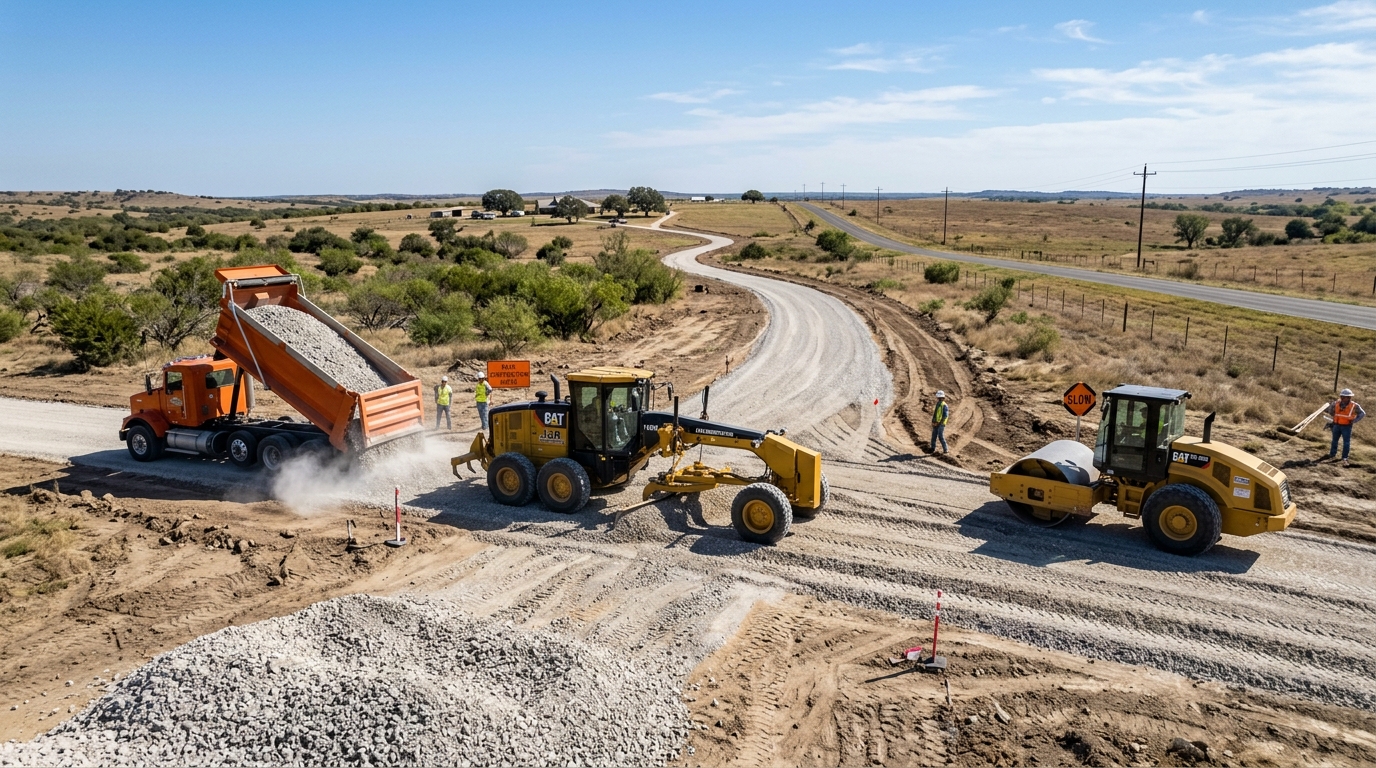
Gravel for Rural Access Roads and Large Properties
When it comes to longer access roads, durability becomes more important than aesthetics. Materials like road base gravel or crushed concrete are often used because they provide a strong foundation and resist erosion.
In regions like the DFW metroplex or expanding outskirts of San Antonio, contractors frequently use layered systems, starting with a compacted base and topping it with finer gravel for smoother driving conditions.
Where to Buy Bulk Gravel in Texas
Finding the right supplier is just as important as choosing the right material. If you’re trying to buy bulk gravel in Texas, you have a few main sourcing options.
Local Aggregate Yards and Quarries
Traditional suppliers, like quarries and aggregate yards, are still a reliable option. They typically stock consistent materials and offer direct pickup or delivery. However, pricing can vary depending on how far the material needs to be hauled.
Online Marketplaces and Material Networks
A growing number of contractors now use platforms like Borrow-Pit to source materials more efficiently. Instead of calling multiple suppliers, you can compare available gravel listings across regions and identify the closest source to your project.
You can also explore how these sourcing networks work through the About page or coordinate material inquiries directly via the Contact page.
This approach is particularly useful when searching for bulk gravel supplier in Texas options near job sites in Dallas, Houston, Austin, or San Antonio.
What Affects Bulk Gravel Pricing in Texas
Pricing is one of the biggest concerns when planning to buy bulk gravel in Texas, and it’s influenced by more than just the material itself. The biggest factor? Distance.
Gravel is heavy, and transportation costs add up quickly. A supplier located 10 miles from your site will almost always be more cost-effective than one located 40 miles away, even if their base price is lower.
Other factors include:
- Type of gravel (limestone vs granite vs recycled materials)
- Quantity ordered (bulk discounts often apply)
- Delivery logistics and truck capacity
- Fuel prices and regional demand
For example, gravel driveway cost per ton in Texas can vary widely depending on whether you’re sourcing locally or hauling from a distant quarry.
How to Plan a Bulk Gravel Order Efficiently
Ordering gravel isn’t just about volume, it’s about planning. If you miscalculate, you could end up with either a shortage or unnecessary extra cost.
Estimating Quantity for Driveways
A common question is: how much gravel do I need for a driveway in Texas?
A typical guideline is:
- 4-6 inches depth for standard driveways
- 8+ inches for heavy vehicle use or soft soil areas
Multiply your driveway length × width × depth to calculate cubic yards, then convert to tons based on material density.
Delivery and Scheduling Considerations
Timing matters, especially for larger projects. Coordinating delivery during off-peak traffic hours in cities like Houston or Dallas can reduce delays and improve efficiency.
For rural projects, accessibility is key. Make sure delivery trucks can safely reach your site, particularly if you’re working on undeveloped land.
Why Many Contractors Prefer Flexible Sourcing Options
Across Texas, more contractors are moving toward flexible sourcing instead of relying on a single supplier. This shift is driven by the need to reduce hauling costs and improve availability.
Using a platform-based approach, like Borrow-Pit, allows buyers to compare multiple sources and choose the most efficient option based on proximity, material type, and volume.
This becomes especially valuable for:
- Large driveways on rural properties
- Long access roads for ranches or developments
- Multi-phase construction projects
Instead of being locked into one yard, you gain access to a broader network of suppliers across Texas.
Final Thoughts
If you’re planning to buy bulk gravel in Texas, the smartest approach is to think beyond just price per ton. Focus on total delivered cost, material suitability, and supplier proximity.
Whether you’re building a residential driveway in Austin, upgrading a ranch road in North Texas, or managing a construction site in Houston, the right gravel and sourcing strategy can save both time and money.
Take the time to compare options, evaluate your project needs, and explore nearby suppliers. A well-planned purchase ensures your surface performs well and lasts for years.
FAQs
What is the best gravel for driveways in Texas?
Crushed limestone is one of the most popular choices due to its compaction and durability. Granite is also used in certain regions.
How much does gravel cost per ton in Texas?
Prices vary depending on location, material type, and hauling distance, but bulk rates typically decrease with larger orders.
Where can I find bulk gravel near me in Texas?
You can explore local quarries or use online platforms that connect you with nearby suppliers across Texas.
What type of gravel is best for access roads?
Road base gravel or crushed concrete is ideal for access roads due to its strength and ability to handle heavy traffic.
Can I get bulk gravel delivered to rural areas?
Yes, most suppliers offer delivery, but accessibility and distance will affect cost and scheduling.