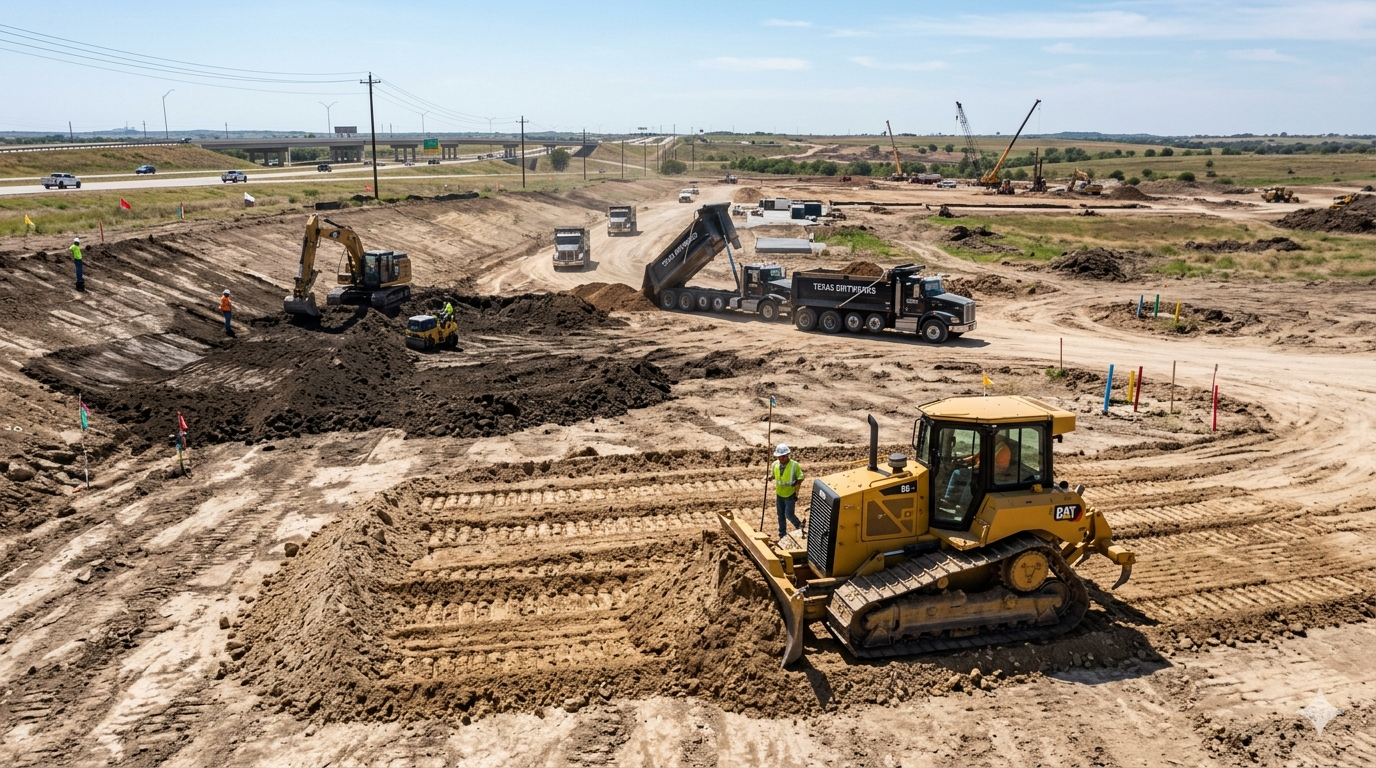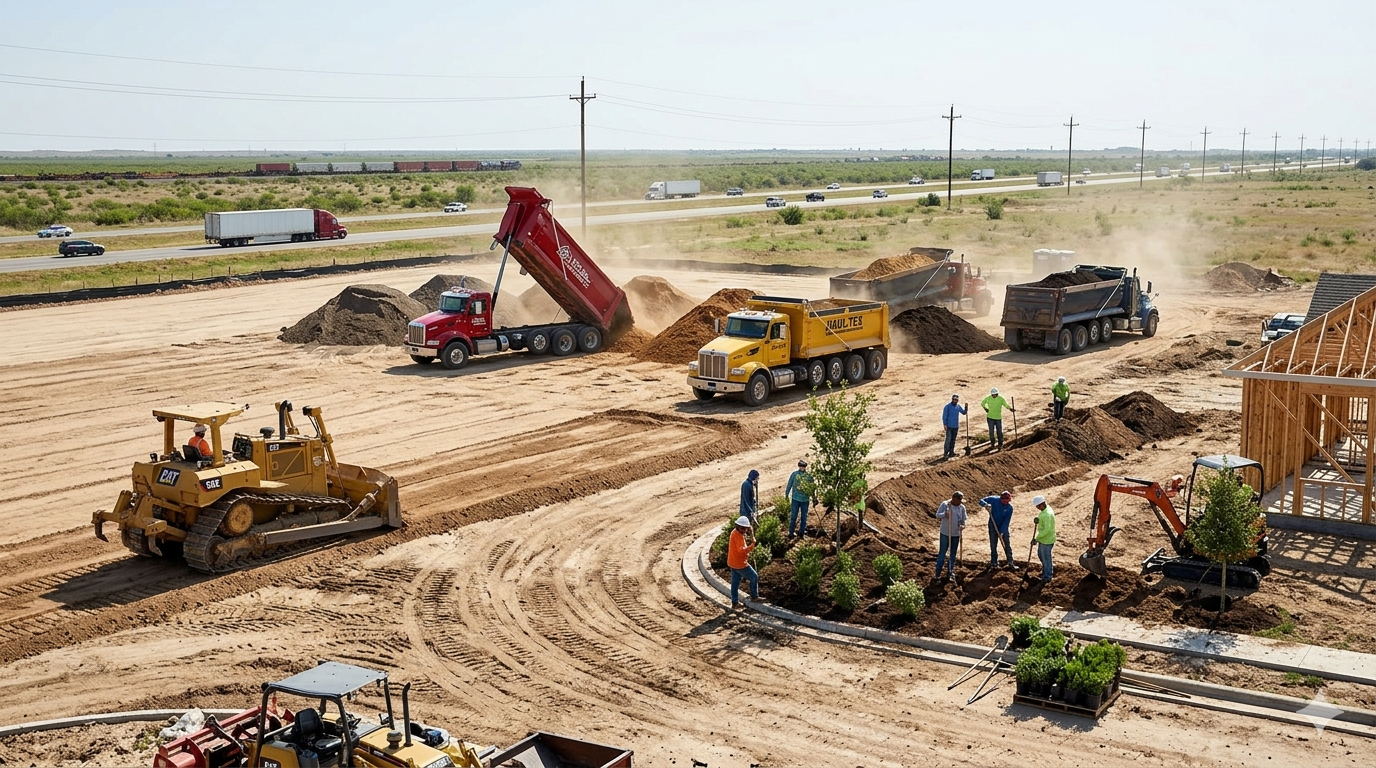
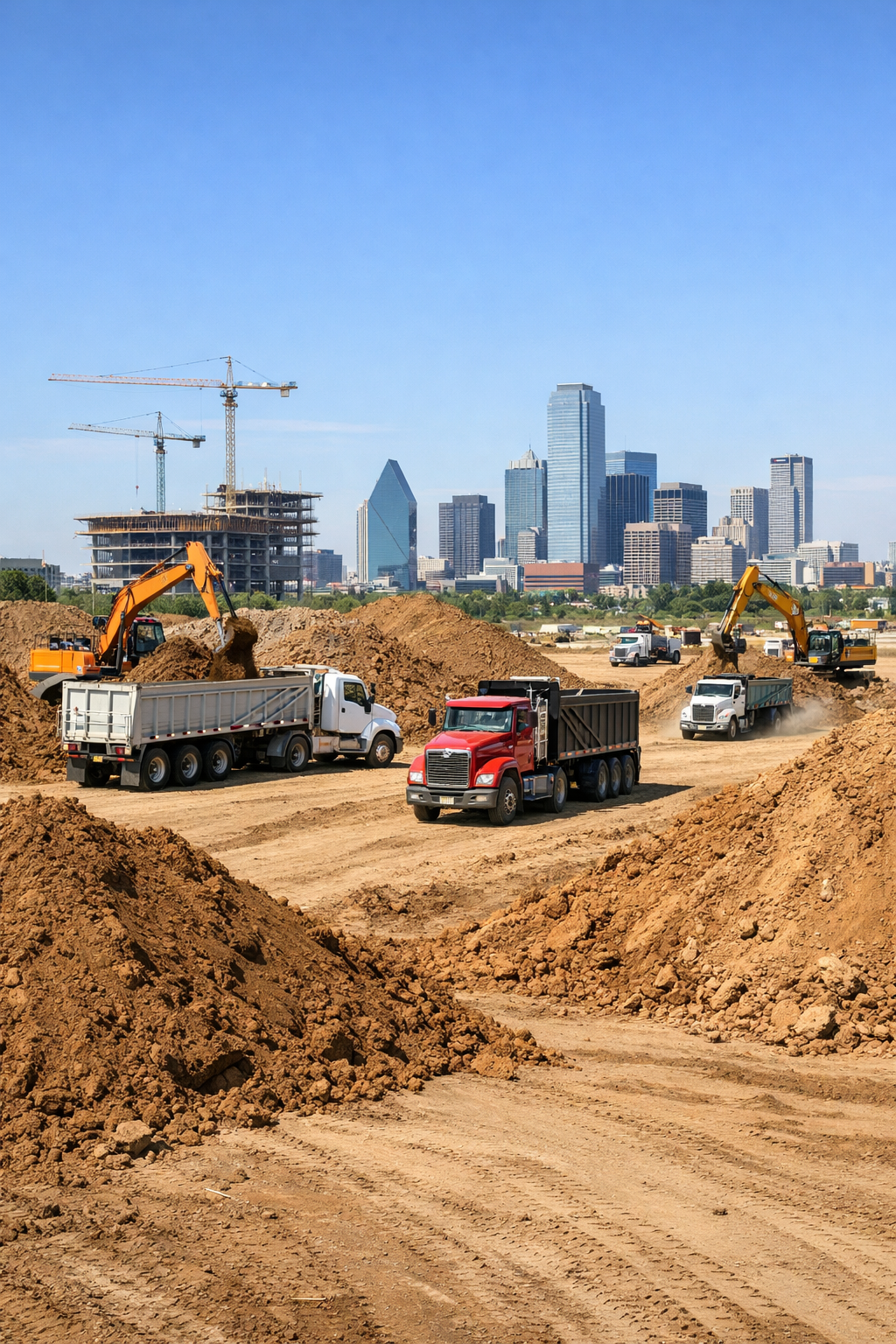
Building in Dallas-Fort Worth is seldom slowed down. The excavation is unending in high-rise renovation in Downtown Dallas, industrial expansion in Fort Worth, Frisco, Arlington, and along the major corridors like I-35E, I-30, and Highway 121. And with excavation comes overproduction.
Rather than paying landfill fees or absorbing hauling expenses, most contractors currently prefer to sell excess fill dirt in DFW and transform a disposal issue into an opportunity. Through the proper attitude, excess fill dirt can be transferred to other metroplex projects where it can be an additional resource.
Whether you are leading a job site that yields thousands of cubic yards of soil, it can save a lot of money in projects since you know the work of the DFW dirt exchange market and how customers transact.
Why Selling Excess Fill Dirt Makes Financial Sense
Each truckload of dirt carried away is a cost. The amount of fuel, driver time, equipment wear, and tipping fees escalates easily, particularly on big commercial projects. This is why contractors seek dirt hauling alternatives; construction zones require more.
By choosing to sell fill dirt, Dallas-Fort Worth projects generate:
- Offset trucking expenses
- Avoid landfill tipping fees
- Reduce project waste
- Connect with local buyers who need bulk material
The demand for bulk fill dirt in DFW is stable because of the continued growth in commercial activities and land use. Expanding suburbs such as Prosper, McKinney, Haslet, and Crowley are still in need of fill to grade, level, and prepare sites.
Rather than paying money to fill dirt disposal, DFW contractors frequently incur, the sale of excess soil would turn a cost center into a potential source of revenue.
Common Projects That Need Excess Fill Dirt in DFW
Knowledge of who requires fill dirt will make your fill dirt sell more quickly. The rapid development of DFW provides unremitting reusable material demand.
Commercial Site Preparation
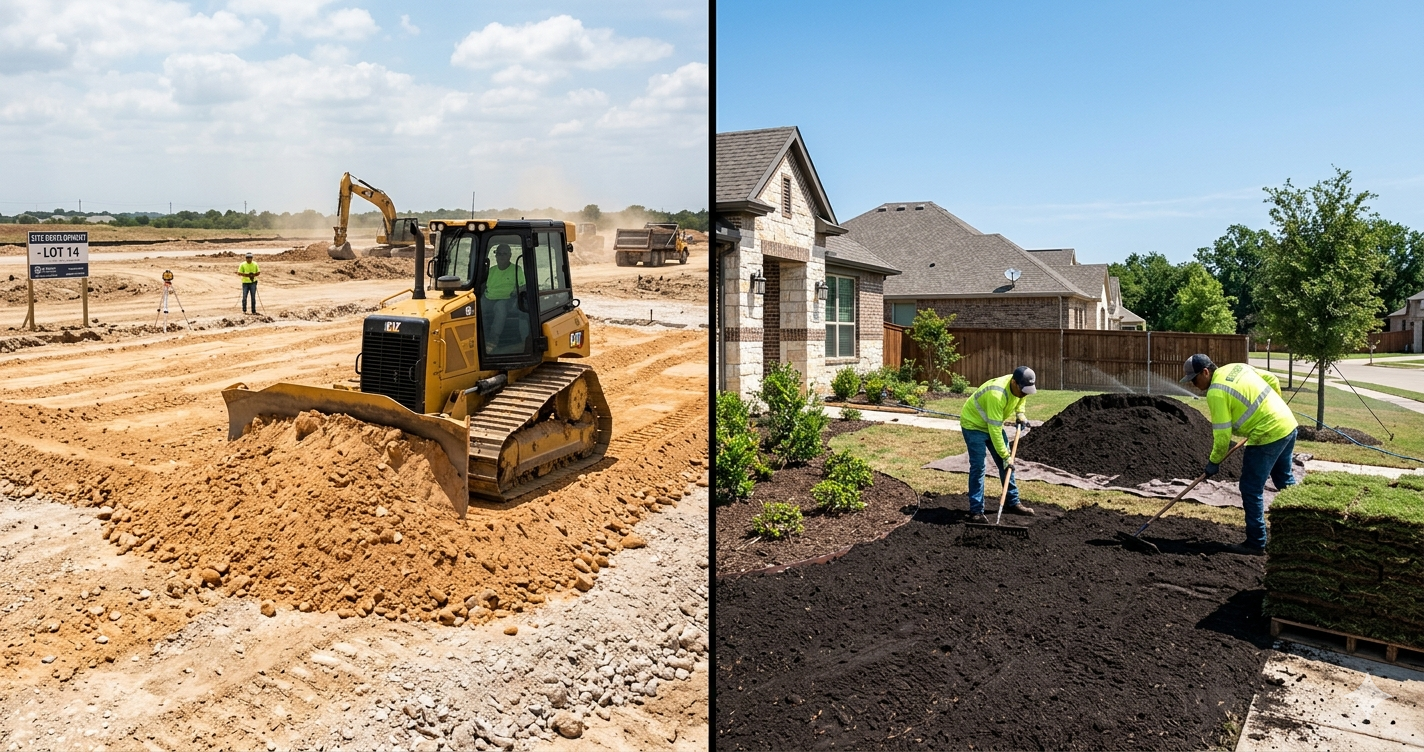
The retail centers, the warehouse pads, and mixed-use developments, in many cases, need to fill large parcels. Purchasers tend to want to have a regular material to grade, such as 30000 CY of Select Fill listing that shows the size that commercial projects demand.
Landscaping and Topsoil Applications
Residential developers and landowners usually seek the best topsoil and clean fill. We see listings like 30000 CY of Topsoil in Texas, pointing out the reuse of bulk amounts for landscaping and restoration works.
Sand and Cushion Material Uses
Some excavation works produce sand that can be used to drain or even to level the ground. Adhesive materials that are similar to 30000 CY of Cushion Sand in Texas indicate that reusable sand would be required in construction and infrastructure projects.
The knowledge of these use cases would help the contractors market their excess fill dirt DFW projects better.
How to Sell Excess Fill Dirt in DFW Construction Zones
It is more efficient to sell surplus dirt today than it used to be. Contractors no longer need to use word-of-mouth or drive to a specific dumping location, as they utilize electronic media to meet directly with consumers.
Borrow-Pit is a model of the material exchange marketplace through which contractors, landowners, and developers post available aggregates and soil. This strategy establishes a regional DFW dirt exchange that lowers needless transportation.
To gain more information about the model of the platform, visit the Borrow-Pit About Us page. In case you are willing to list material or seek advice, contact support through the Borrow-Pit contact page.
The system is a viable solution to the excavation dirt disposal that DFW contractors normally use.
Environmental and Regulatory Considerations
The management of construction waste is becoming a major concern in Texas. The U.S. Environmental Protection Agency supports the use of construction and demolition materials by reusing them instead of disposing of them in landfills and using them to save energy.
Moreover, the Texas Commission on Environmental Quality also offers a supervisory and directive role in material disposal and reuse.
Recycling instead of disposal will be a cost-efficient option that satisfies the sustainability objectives.
Logistics: Reducing Hauling Costs Across DFW
The issue of traffic congestion in the Dallas-Fort Worth region could greatly affect the cost of hauling. Soil transportation between Plano and Fort Worth or between Arlington and McKinney leads to the use of more fuel and labor inputs.
The fact that buyers are localized in the areas that are close to your project will cut down on time and enhance profit margin. Selling to local fill dirt buyers, DFW contractors are capable of ensuring that trucks keep moving efficiently and that no issues occur in the scheduling.
This strategy offers an expansive solution to construction zone dirt disposal for DFW projects that will need.
Getting Started With Selling Surplus Soil
If your project generates reusable material, follow these steps:
- Estimate total cubic yard volume
- Identify soil type (common fill, topsoil, sand, select fill)
- Photograph and document the material condition
- Search listings near you to understand market demand
- List your material to connect with local buyers
You can add your material as an important resource, instead of paying removal, in the DFW construction ecosystem.
Turning Excess Fill Dirt into Opportunity in DFW
The prospects of selling excess fill dirt in DFW can be utilized in a strategic manner as development expands throughout the Dallas-Fort Worth region. Construction projects can save costs, enhance efficiency, and promote a more sustainable building industry in the region by converting excavation waste into usable material.
Frequently Asked Questions
Where can I sell excess fill dirt in DFW?
You can list surplus material on marketplaces like Borrow-Pit to connect with contractors and landowners seeking fill.
Is it cheaper to sell dirt instead of hauling it away?
Yes. Selling reduces landfill fees and can offset transportation costs.
What types of fill dirt are in demand?
Select fill, topsoil, and clean sand are commonly sought for commercial and residential projects.
How is fill dirt typically measured?
Bulk dirt is usually measured and sold by the cubic yard.
Can selling excess dirt help meet sustainability goals?
Absolutely. Reusing soil reduces landfill waste and supports environmentally responsible construction practices.