Sourcing bulk dirt in Texas for large development projects is one of the most critical steps in early-stage construction. Whether it’s a master-planned community in Dallas–Fort Worth, a commercial expansion along Houston’s Beltway 8, or infrastructure work near Austin’s SH 130 corridor, the success of a project often depends on how efficiently contractors secure and deliver large volumes of dirt.
For large-scale developments, dirt isn’t just a material, it’s a logistical operation. Contractors must balance cost, proximity, soil quality, and delivery timelines. Understanding how professionals handle bulk dirt in Texas for large development projects gives you a clear advantage when planning site prep, grading, or land development work.
Understanding Bulk Dirt Needs for Large Projects
Before sourcing begins, contractors first determine how much material is required and what type of dirt fits the project. Every development, whether residential, commercial, or industrial, has different earthwork needs.
Estimating Volume and Material Type
Large Texas projects often require thousands, sometimes hundreds of thousands, of cubic yards of material. The exact quantity depends on grading plans, elevation changes, and soil conditions already present on-site.
For example, a subdivision project in North Texas may require significant fill to level lots, while a commercial site in Houston might need elevation increases for flood mitigation. In both cases, sourcing bulk dirt in Texas for large development projects starts with accurate volume calculations and soil selection.
Choosing Between Fill Dirt and Select Fill
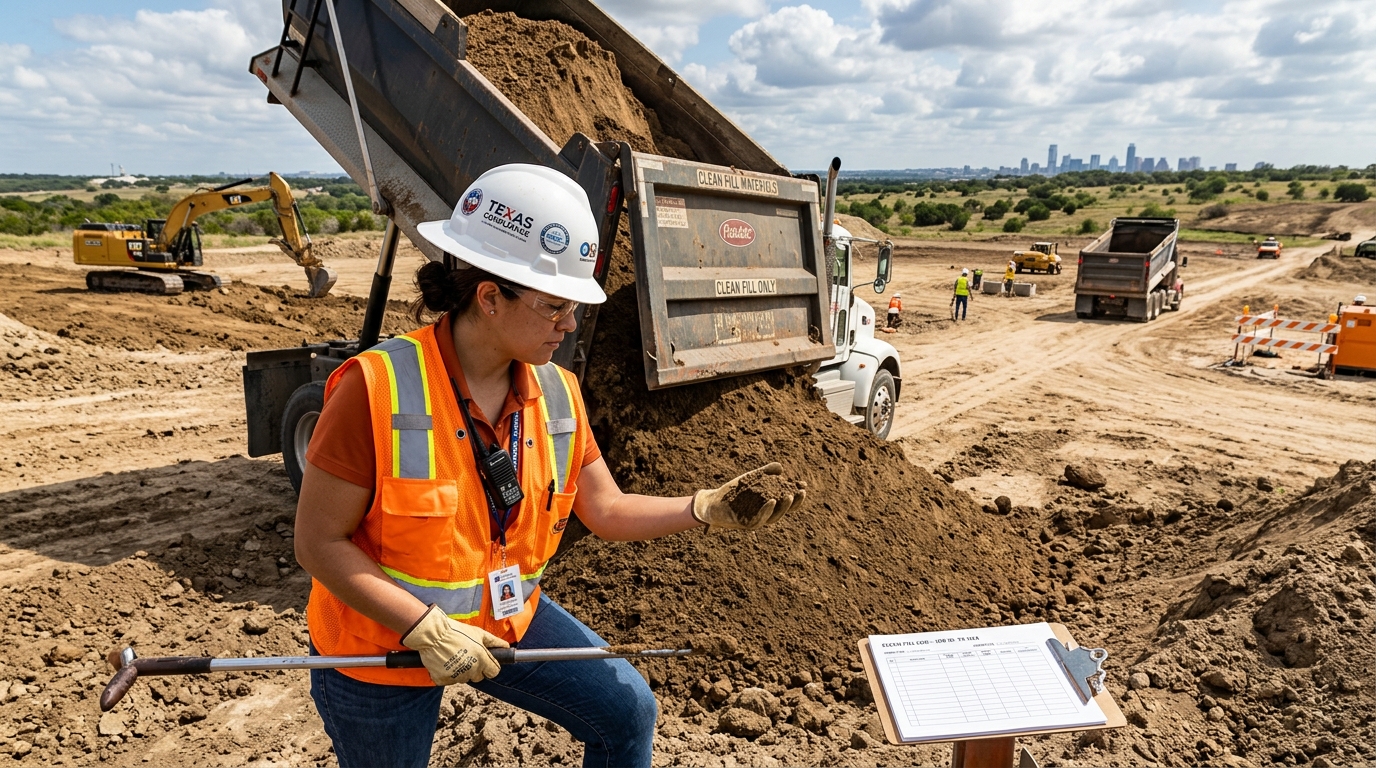
Not all dirt is interchangeable. Contractors typically decide between common fill and select fill based on engineering requirements. Fill dirt works for general grading, while select fill is used when higher compaction standards are required.
This decision directly affects how contractors approach bulk dirt in Texas for large development projects, since higher-quality material may limit available sources or increase cost.
Where Contractors Source Bulk Dirt in Texas
Once requirements are clear, the next step is identifying reliable sources. In a state as large as Texas, proximity plays a major role in both cost and scheduling.
Borrow Pits and Local Supply Sources
Borrow pits remain one of the most common sources for bulk dirt in Texas for large development projects. These sites provide large volumes of material and are often located near expanding metro areas like Dallas, Houston, and San Antonio.
Contractors also source dirt from:
- Active excavation sites with excess material
- Large-scale infrastructure projects
- Regional suppliers and earthwork contractors
In rapidly growing areas such as Frisco, Katy, and New Braunfels, demand for fill dirt continues to increase, making early sourcing essential.
Using Digital Marketplaces for Sourcing
Modern contractors are increasingly turning to platforms like Borrow-Pit to streamline sourcing. Instead of relying on a single supplier, they can compare multiple local options based on location, volume, and availability.
You can explore available supply through the dirt listings category, understand the sourcing approach on the About page, or coordinate project-specific needs via the Contact page.
This approach improves visibility and simplifies how contractors manage bulk dirt in Texas for large development projects.
How Hauling Distance Impacts Sourcing Strategy
One of the biggest cost drivers in sourcing bulk dirt in Texas for large development projects is transportation. The distance between the material source and job site can significantly impact the total project budget.
Why Proximity Matters More Than Price
A supplier offering lower base pricing may not always be the best option if they are located far from the project. Longer hauling distances increase fuel costs, driver hours, and equipment wear.
According to the U.S. Energy Information Administration, diesel price fluctuations directly affect trucking rates across Texas. This means even small increases in distance can lead to noticeable changes in total cost.
For projects along major corridors like I-10, I-35, or US-75, selecting a nearby supplier often results in lower overall pricing, even if the per-yard cost is slightly higher.
Traffic and Delivery Efficiency
In metro areas like Houston and Dallas, traffic congestion can slow delivery cycles. Fewer loads per day means higher effective costs. Contractors sourcing bulk dirt in Texas for large development projects must account for route efficiency, not just mileage.
Coordinating Bulk Deliveries for Large Developments
Sourcing material is only part of the equation. Efficient delivery coordination ensures that projects stay on schedule and within budget.
Scheduling and Load Management
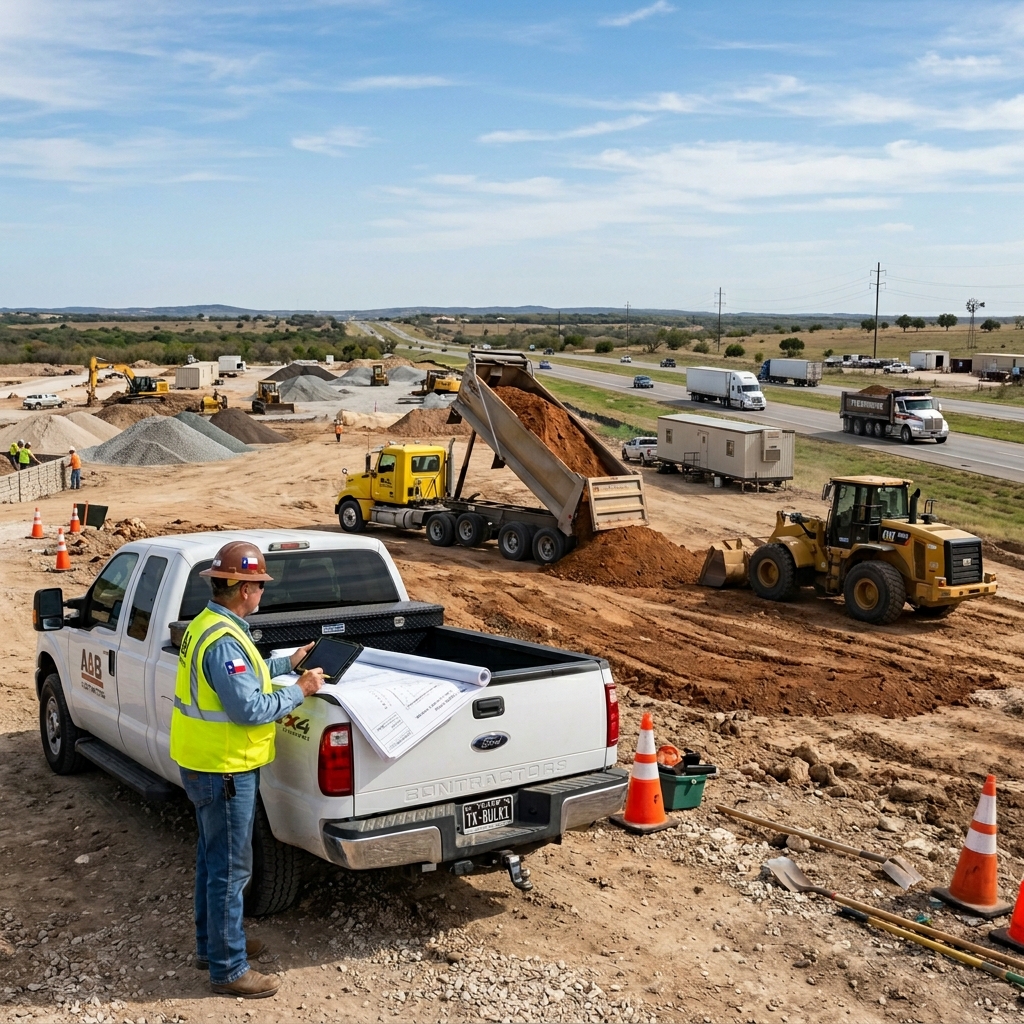
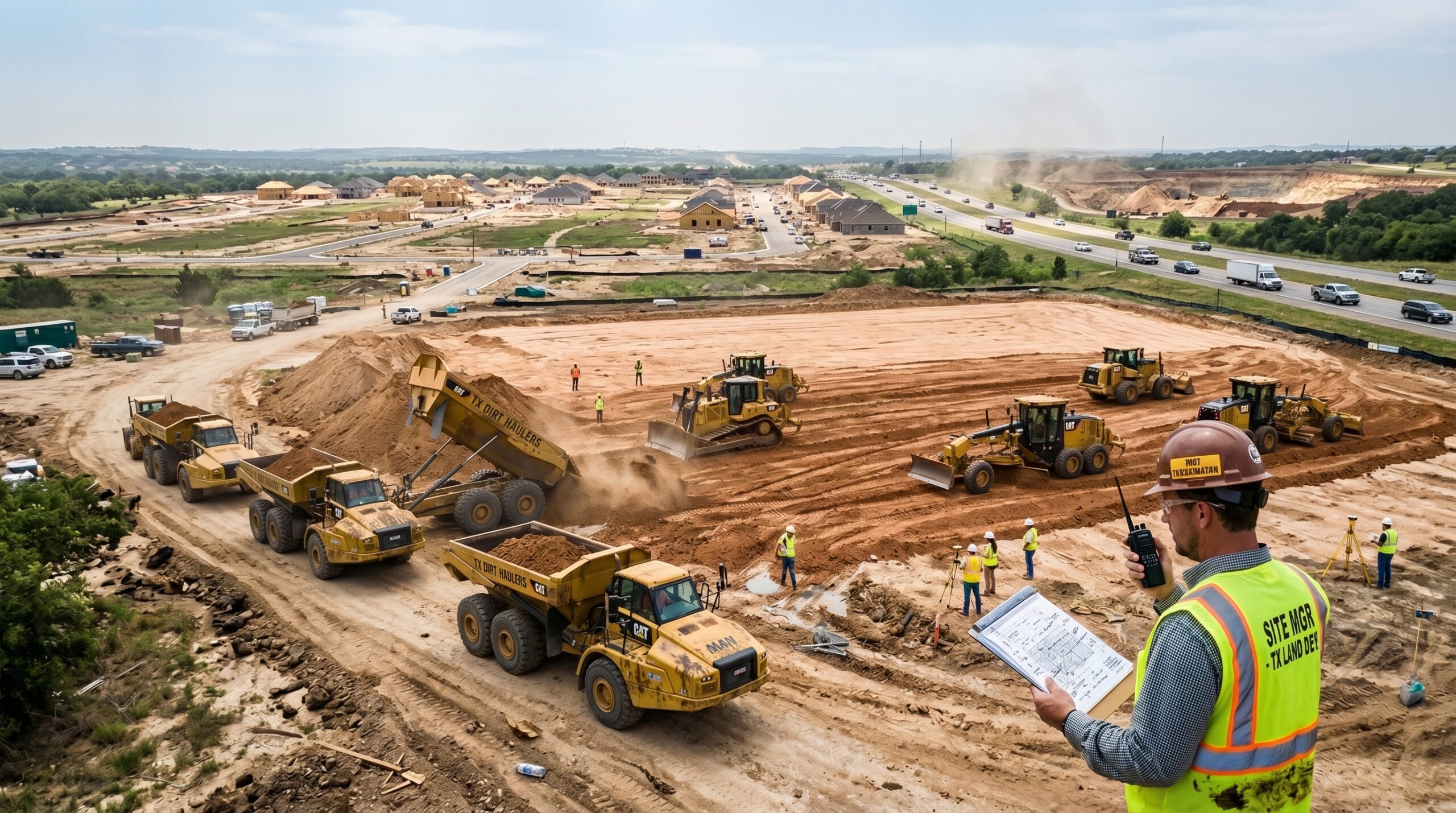
For large-scale developments, contractors typically schedule multiple deliveries in phases. This prevents job site congestion and ensures that grading crews have a steady supply of material.
A well-planned delivery schedule helps optimize:
- Truck turnaround time
- Equipment utilization
- Labor efficiency
This level of coordination is essential when managing bulk dirt in Texas for large development projects, especially on multi-phase developments.
Balancing Supply and Demand
Large projects often face fluctuations in demand. Weather delays, inspection schedules, and changing site conditions can all impact how much dirt is needed at any given time.
Contractors mitigate this by sourcing from multiple suppliers when possible, ensuring flexibility throughout the project lifecycle.
Cost Considerations for Bulk Dirt in Texas
Understanding pricing is key when sourcing bulk dirt in Texas for large development projects. While material cost is important, transportation and logistics often have a greater impact.
Key Factors That Affect Pricing
Several elements influence total cost:
- Hauling distance from the source
- Volume and number of loads required
- Soil quality and type
- Fuel and trucking rates
- Site accessibility
In many cases, delivered pricing provides a more accurate picture than base material cost alone.
Final Thoughts
Sourcing bulk dirt in Texas for large development projects requires more than just finding available material. It involves careful planning, strategic sourcing, and efficient logistics management. From selecting the right soil type to minimizing hauling distance, every decision affects project cost and timeline.
As Texas continues to grow, across Dallas–Fort Worth, Houston, Austin, and San Antonio, contractors who optimize their sourcing strategy gain a significant competitive advantage. Access to multiple suppliers, better pricing visibility, and improved delivery coordination all contribute to more efficient project execution.
If you’re planning a project, you can search listings near you to explore available supply options. And if you have excess dirt from excavation or grading, you can also list your material to connect with contractors actively sourcing bulk material across Texas.
FAQs
How do contractors source bulk dirt in Texas for large projects?
They typically use borrow pits, excavation sites, and digital marketplaces to find nearby suppliers with sufficient volume.
What type of dirt is used for large development projects?
Common fill is used for general grading, while select fill is chosen for projects requiring higher compaction and stability.
How much dirt does a large development project need?
It varies widely, but large projects can require thousands to hundreds of thousands of cubic yards depending on site conditions.
What affects the cost of bulk dirt in Texas?
Hauling distance, fuel costs, load size, and soil quality are the biggest factors influencing pricing.
How can contractors reduce dirt sourcing costs?
By choosing suppliers close to the job site, coordinating deliveries efficiently, and comparing multiple sourcing options.