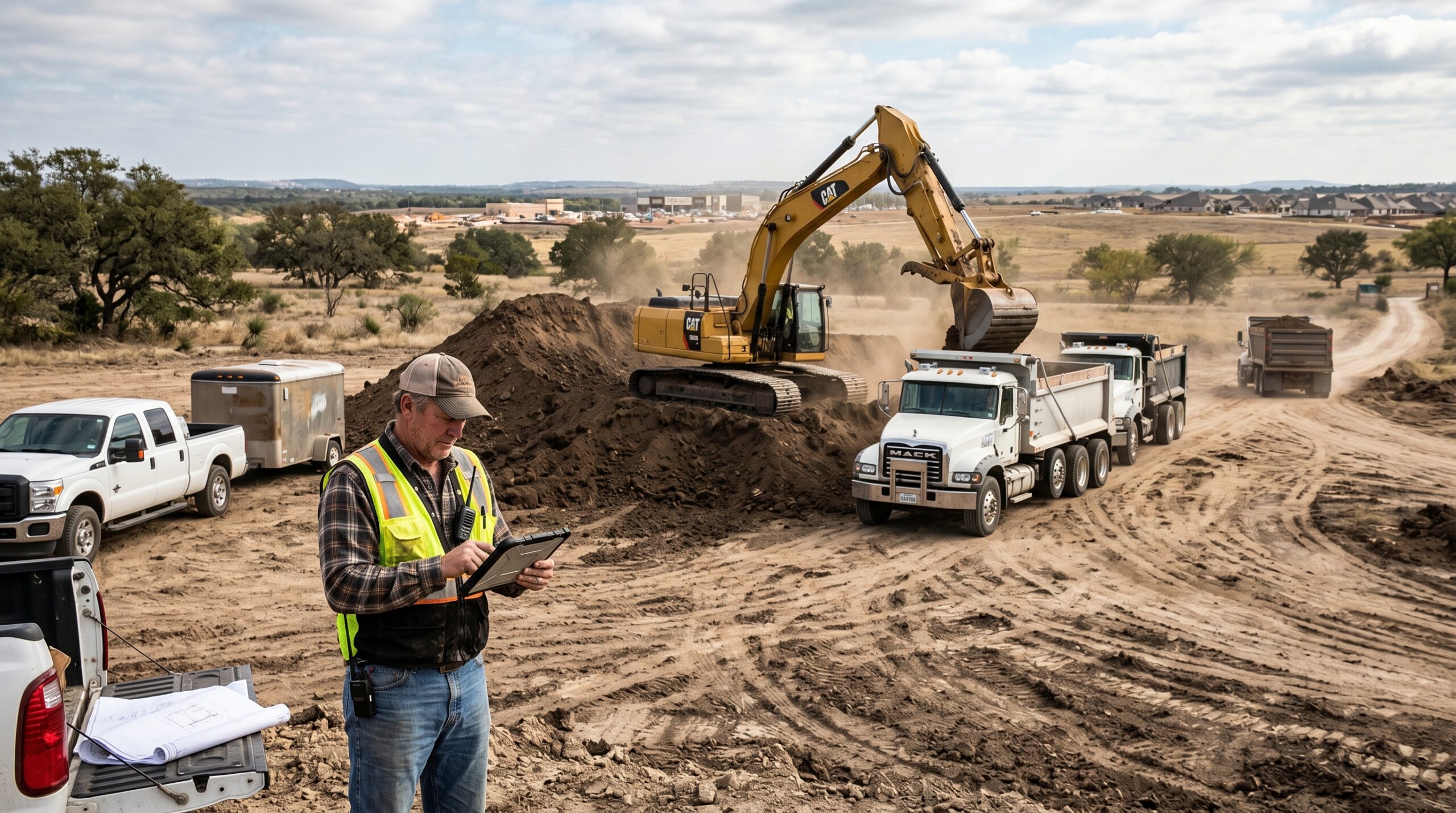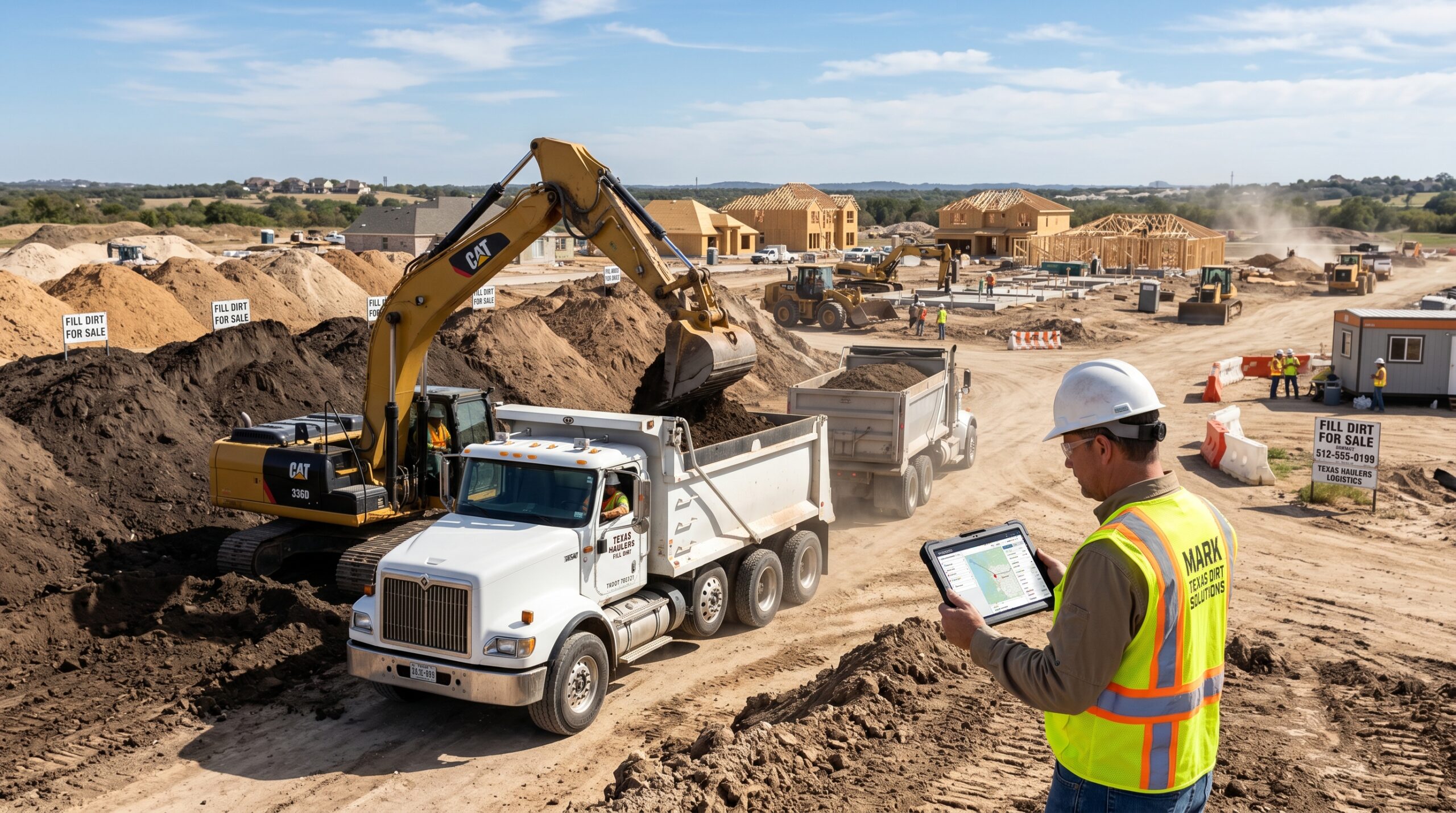
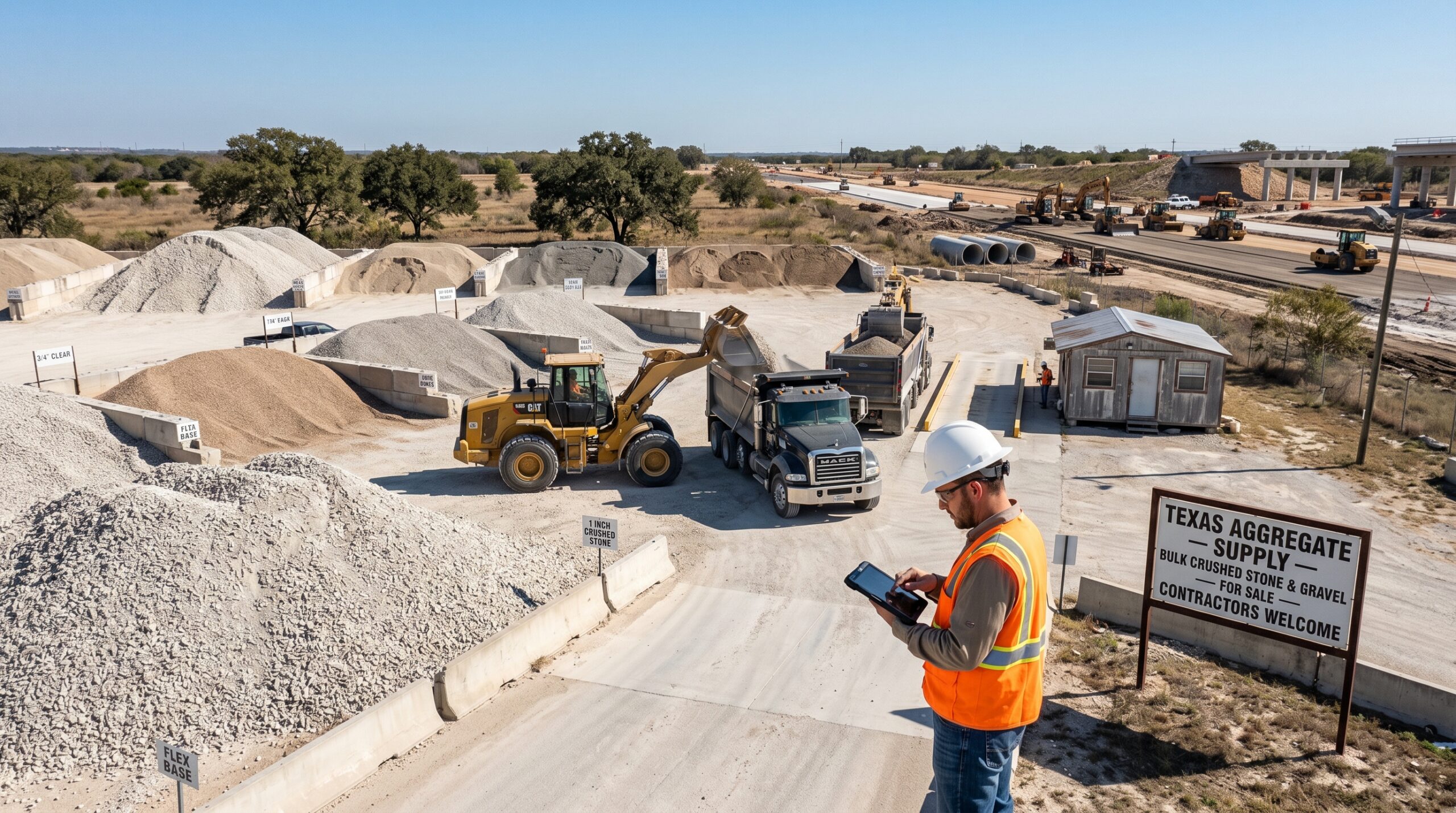
If you’ve been in construction long enough, you already know this, materials don’t just move one way. While most contractors focus on sourcing, there’s a growing opportunity on the other side: selling construction aggregates in Texas. Whether it’s leftover crushed stone from a road project in San Antonio or surplus gravel from a site near Dallas–Fort Worth, unused materials can quickly turn into tied-up capital.
With Texas seeing continuous growth across highways like I-35, I-10, and expanding suburban developments in cities like Austin and Houston, demand for aggregates remains strong. That demand creates a real opportunity for contractors to recover costs, improve site efficiency, and participate in a more connected material marketplace. Understanding how selling construction aggregates in Texas works gives you a clear advantage in managing both supply and surplus.
Why Contractors Are Selling Aggregates Instead of Stockpiling
For years, excess aggregates often sat unused or were hauled off at a loss. That approach doesn’t make much sense anymore, especially with rising fuel costs and tighter project margins.
Turning Surplus Into Revenue
Every load of unused material represents money sitting idle. By actively selling construction aggregates in Texas, contractors can convert surplus into immediate cash flow. This is especially common on large infrastructure or subdivision projects where material estimates slightly exceed actual usage.
In fast-growing regions like Frisco, Katy, and Round Rock, nearby projects are often looking for exactly the type of material you have. Instead of sourcing from distant suppliers, they prefer local options, making your excess inventory valuable.
Reducing Storage and Hauling Costs
Keeping piles of crushed limestone or gravel on-site isn’t just inconvenient, it can interfere with operations. Hauling it away, on the other hand, adds unnecessary cost.
By selling construction aggregates in Texas, you eliminate both problems. You free up space on-site and avoid paying for disposal or long-distance transport. It’s a practical move that improves both logistics and profitability.
Where to Sell Construction Aggregates in Texas
Finding the right buyer is often the biggest challenge. The good news is that today’s contractors have better tools and more visibility than ever before.
Local Project Demand and Contractor Networks
Construction activity across Texas creates constant demand for aggregates. Road base materials, drainage gravel, and crushed stone are used in nearly every project, from residential pads in San Antonio to commercial developments along Houston’s Beltway 8.
Networking with local contractors can help, but it’s often limited in reach. That’s why many professionals are shifting toward digital solutions when selling construction aggregates in Texas.
Using Online Marketplaces to Reach Buyers
Platforms like Borrow-Pit have changed how contractors connect. Instead of relying on a few contacts, you can now reach a wide audience actively searching for materials.
You can list available materials or explore demand through the aggregate listings marketplace, learn how the platform supports contractors on the About page, or connect directly for support via the Contact page.
This approach simplifies the entire process of selling construction aggregates in Texas, making it faster and more transparent.
How to Price Aggregates for Sale
Pricing is where many contractors hesitate, but it doesn’t have to be complicated. The key is understanding what drives value in your local market.
Factors That Influence Aggregate Pricing
When selling construction aggregates in Texas, pricing depends on several variables:
- Material type (crushed stone, gravel, limestone)
- Quantity available
- Location relative to demand
- Current market conditions
- Hauling requirements
For example, aggregates located near major corridors like US-75 or SH 130 often command better value due to reduced transportation costs.
Market Trends and Cost Benchmarks
Fuel prices and supply chain conditions also play a role. Fluctuations in diesel costs directly impact hauling rates, which in turn affects how buyers evaluate pricing.
Understanding these trends helps you stay competitive when selling construction aggregates in Texas without undervaluing your material.
Logistics: Delivery vs Buyer Pickup
One of the most important decisions when listing materials is how they’ll be transported. Logistics can make or break a deal.
Offering Delivery Services
Providing delivery can make your listing more attractive, especially for buyers managing tight schedules. However, it also adds responsibility and cost. Contractors who offer delivery while selling construction aggregates in Texas often build those costs into their pricing.
Allowing Buyer Pickup
Alternatively, letting buyers handle transportation simplifies your role. This is a popular option for contractors who want a quick and low-effort transaction. The best approach depends on your project timeline and available resources.
Best Practices for Selling Aggregates Successfully
Selling materials isn’t just about listing them, it’s about presenting them effectively and managing expectations.
Provide Clear and Detailed Listings
Buyers want to know exactly what they’re getting. Include:
- Material type and size
- Estimated volume
- Location
- Availability timeline
Clear information builds trust and speeds up transactions when selling construction aggregates in Texas.
Time Your Listings Strategically
Don’t wait until your project is wrapping up. Start listing materials early so you can align with buyers’ schedules. This proactive approach improves your chances of successfully selling construction aggregates in Texas without delays.
Stay Compliant With Local Guidelines
Material handling and transport may be subject to local regulations. You can review guidelines through the Texas Commission on Environmental Quality to ensure compliance when moving or selling aggregates.
Final Thoughts
The construction industry in Texas is evolving, and so is the way materials are managed. Selling construction aggregates in Texas is no longer just a backup plan, it’s a strategic move that improves efficiency, reduces waste, and creates new revenue opportunities.
From understanding pricing to leveraging digital platforms and optimizing logistics, contractors who adapt to this approach gain a clear edge. With demand continuing across Dallas–Fort Worth, Houston, Austin, and San Antonio, there’s never been a better time to take advantage of surplus materials.
If you’re sitting on unused aggregates, now is the time to act. You can search listings near you to understand current demand or list your material to connect with contractors actively looking for supply across Texas.
FAQs
How can I start selling construction aggregates in Texas?
You can list your materials on platforms like Borrow-Pit, provide detailed information, and connect with local contractors in need of aggregates.
What types of aggregates are easiest to sell?
Crushed stone, gravel, and limestone are in constant demand across most Texas construction projects.
Do I need to offer delivery to sell aggregates?
No, many buyers prefer to arrange their own hauling, especially for bulk materials.
How do I price my aggregates competitively?
Consider location, material type, and hauling distance, and compare with local market rates.
Is there demand for small quantities of aggregates?
Yes, smaller contractors and landscaping projects often look for limited quantities at competitive prices.