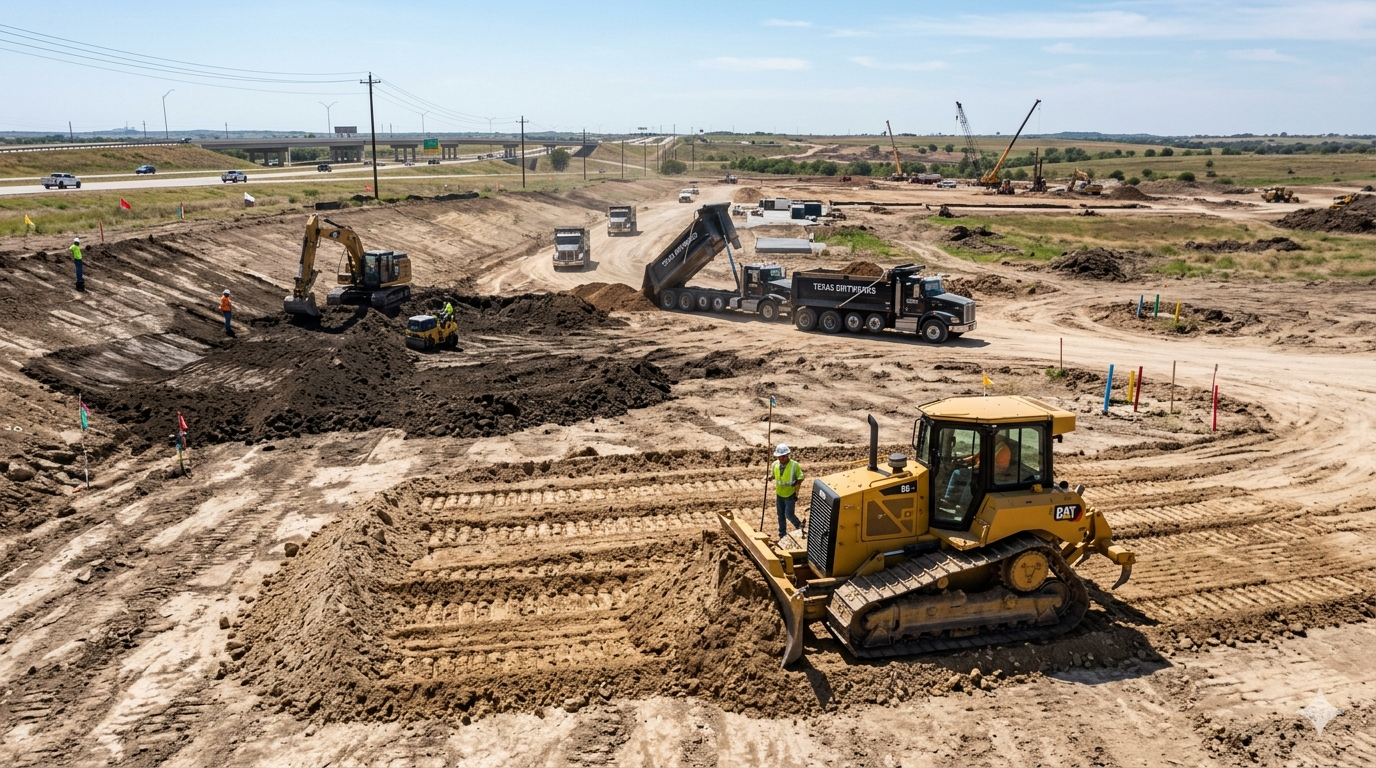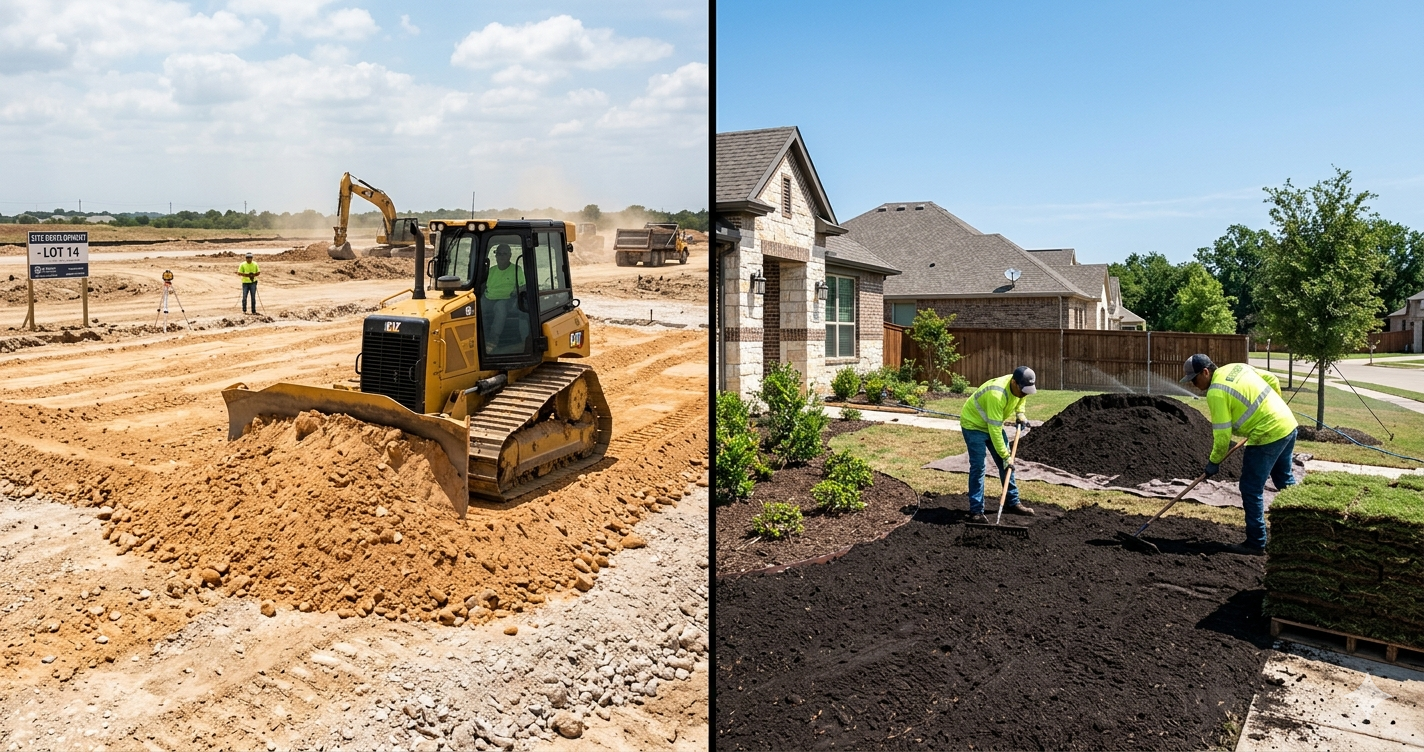
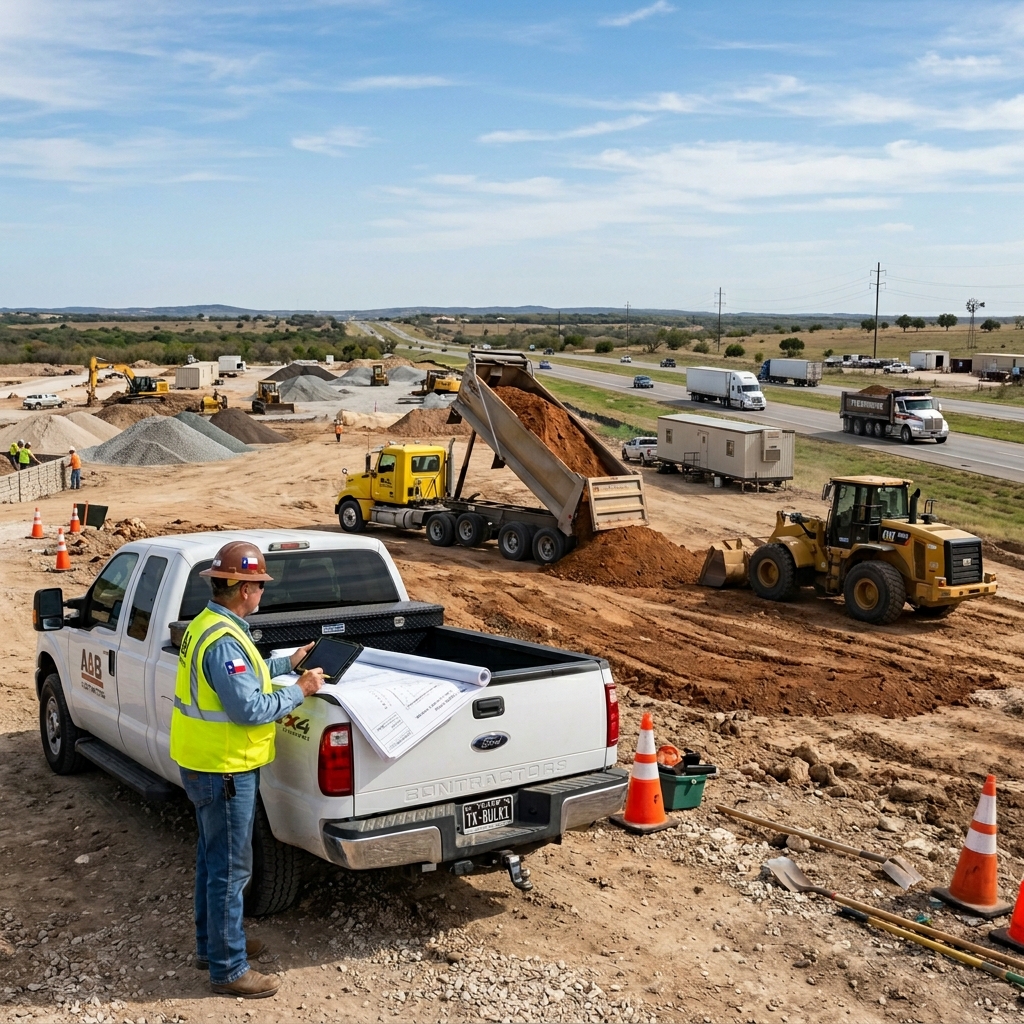
Understanding bulk fill dirt cost in Texas is essential before you budget a grading job, building pad, drainage fix, or large landscaping project. Many buyers look at a per-yard number first, but that only tells part of the story. In Texas, the final delivered cost depends heavily on hauling distance, load size, material type, and regional availability.
Whether you are pricing a subdivision near San Antonio, a commercial site in Houston, acreage work outside Austin, or residential grading in Dallas–Fort Worth, knowing what affects bulk fill dirt cost in Texas helps you compare quotes more accurately. A load that seems cheaper at the source can end up costing more once fuel, trucking, and turnaround time are included.
If you are trying to estimate the real bulk fill dirt cost in Texas, this guide breaks down what contractors and property owners should expect, what drives pricing, and how to reduce total delivery cost without sacrificing material quality.
What Impacts Bulk Fill Dirt Cost in Texas?
The first thing to understand about bulk fill dirt cost in Texas is that there is no single statewide price. Texas is too large, and supply conditions vary too much by region. Fill dirt in a dense growth corridor near I-35 may be priced differently than fill dirt in a rural county where trucking routes are longer and fewer suppliers are nearby.
Material Type and Soil Quality
Not all fill dirt is the same. Standard fill dirt used for rough grading or low-area fill is usually the most affordable. Cleaner or more consistent material, especially when better suited for compaction, may cost more. Some buyers comparing bulk fill dirt cost in Texas are actually deciding between regular fill, cleaner imported fill, or select fill depending on the project.
For example, a backyard regrade near Fort Worth may not need the same quality as a commercial building pad near New Braunfels. The intended use always affects pricing.
Load Size and Volume Ordered
One of the biggest pricing differences comes from quantity. Smaller residential jobs may pay more per cubic yard because trucking is less efficient. Larger commercial projects often reduce the effective bulk fill dirt cost in Texas by ordering multiple loads in sequence, which improves truck productivity.
Typical pricing is often discussed in one of these formats:
- Per cubic yard
- Per truckload
- Delivered lump-sum quote for multiple loads
For that reason, comparing only a “per yard” number can be misleading if the delivery setup is different.
Average Bulk Fill Dirt Cost in Texas
If you are asking how much bulk fill dirt cost in Texas usually runs, most buyers will find that pricing varies widely depending on location and whether the quote is pickup-only or delivered.
General Price Ranges Buyers Commonly See
For basic planning, many Texas buyers see rough fill dirt pricing in these general ranges:
- Material only: often around $5 to $15 per cubic yard
- Delivered small residential loads: often around $15 to $35+ per cubic yard
- Large commercial bulk orders: pricing may improve significantly depending on volume and proximity
These are broad market estimates, not fixed statewide rates. In some areas, the bulk fill dirt cost in Texas may trend lower when material is abundant and close to the site. In fast-growing metros like Houston, Austin, or outer DFW where trucking demand is high, delivered pricing may rise faster than the base dirt cost itself.
The key point is simple: the farther the dirt travels, the higher the total cost.
Why Hauling Distance Changes Pricing So Much
For most projects, hauling is the real cost driver behind bulk fill dirt cost in Texas.
Distance Often Matters More Than Pit Price
Texas job sites can be spread out across long suburban and rural corridors. A supplier 8 miles from your site may be far more cost-effective than one 25 or 30 miles away, even if the second supplier advertises a lower base rate.
That’s because longer routes increase:
- Fuel usage
- Driver time
- Equipment wear
- Traffic exposure
- Fewer loads completed per day
According to the U.S. Energy Information Administration (eia.gov), diesel prices remain a major factor in trucking and material delivery costs. Since diesel directly affects dump truck and end-dump operations, changes in fuel pricing can quickly influence bulk fill dirt cost in Texas across all major metros.
Traffic and Regional Logistics Matter
In urban regions like Houston, Dallas, and Austin, highway congestion can also affect how suppliers quote delivery. A job near Loop 610, I-635, or MoPac may face higher effective hauling costs than a similar-distance site with easier truck access.
That means the true bulk fill dirt cost in Texas depends on route efficiency, not just mileage.
How Contractors Compare Fill Dirt Pricing the Right Way
When contractors compare bulk fill dirt cost in Texas, they usually avoid relying on material-only pricing. Instead, they ask for delivered pricing tied to the exact project address.
Always Ask for Delivered Quotes
A proper quote should reflect:
- Material type
- Estimated cubic yards or load count
- Delivery distance
- Truck type
- Site accessibility
- Whether unloading is simple or staged
This is especially important on jobs near uneven terrain, narrow access roads, or phased construction sites where turnaround time slows deliveries.
If you want to compare regional supply options more efficiently, the Borrow-Pit dirt listings category can help you review nearby sources before committing to one supplier. If you want to understand more about how the platform works, the About page explains the sourcing model, and the Contact page is the best place to ask about listings or material availability.
How to Reduce Bulk Fill Dirt Cost in Texas
The best way to lower bulk fill dirt cost in Texas is to optimize logistics instead of only chasing the lowest advertised base price.
Smart Ways to Control Delivered Cost
A few strategies consistently help buyers reduce total cost:
- Choose the closest suitable supplier
- Order enough volume to improve truck efficiency
- Match material quality to the actual project need
- Schedule loads in coordinated blocks instead of one-off trips
- Confirm site access before trucks are dispatched
For example, a contractor grading lots outside San Antonio may save more by using a nearby source with slightly higher pit pricing than by hauling from a cheaper source farther away.
This is why experienced buyers treat bulk fill dirt cost in Texas as a logistics decision as much as a materials decision.
Final Thoughts
The real bulk fill dirt cost in Texas is not just about the dirt itself. It is a combination of material quality, hauling distance, delivery efficiency, and project scale. While basic fill dirt may start at a relatively low per-yard rate, transportation often becomes the largest factor in the final delivered quote.
For contractors, developers, and landowners across Texas, the smartest approach is to compare nearby sources, request delivered pricing tied to the job address, and make sure the material fits the application. Whether you are working on a building pad, drainage correction, rough grading, or large landscaping project, that process leads to more predictable budgeting.
If you are ready to compare options, you can search listings near you to review available fill dirt sources. And if you have surplus dirt from excavation or grading work, you can also list your material to connect with local buyers looking for bulk supply.
FAQs
How much does bulk fill dirt cost in Texas?
Material-only pricing often starts around $5 to $15 per cubic yard, while delivered pricing can range much higher depending on distance, load size, and local market conditions.
What affects bulk fill dirt cost in Texas the most?
Hauling distance is usually the biggest factor, followed by load volume, material quality, and job site accessibility.
Is fill dirt cheaper if I order in bulk?
Yes. Larger projects often reduce the effective per-yard cost because trucks can run more efficiently over multiple loads.
Should I compare pit pricing or delivered pricing?
Delivered pricing is more useful because it reflects the true project cost, including transportation and logistics.
How can I lower fill dirt delivery costs in Texas?
Choose a supplier near your job site, confirm access conditions, and schedule multiple loads to reduce trucking inefficiencies.