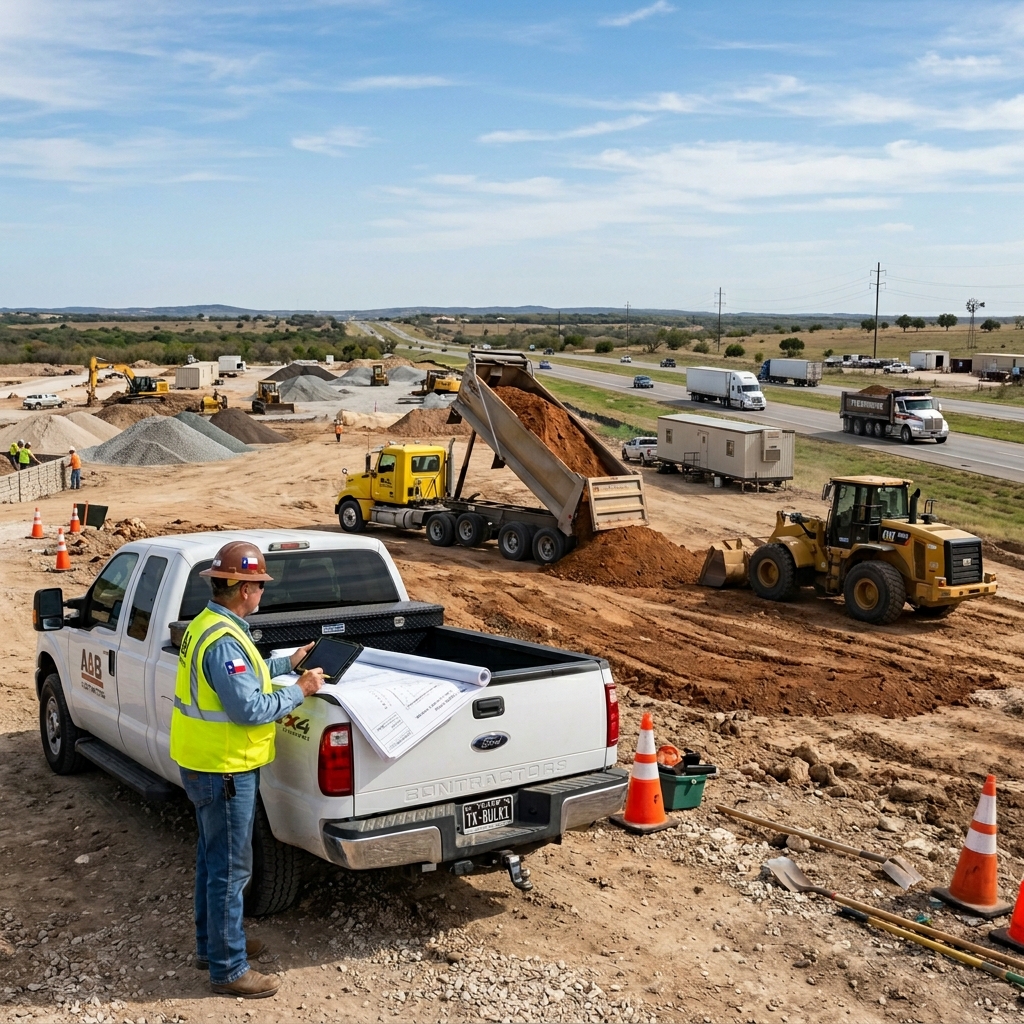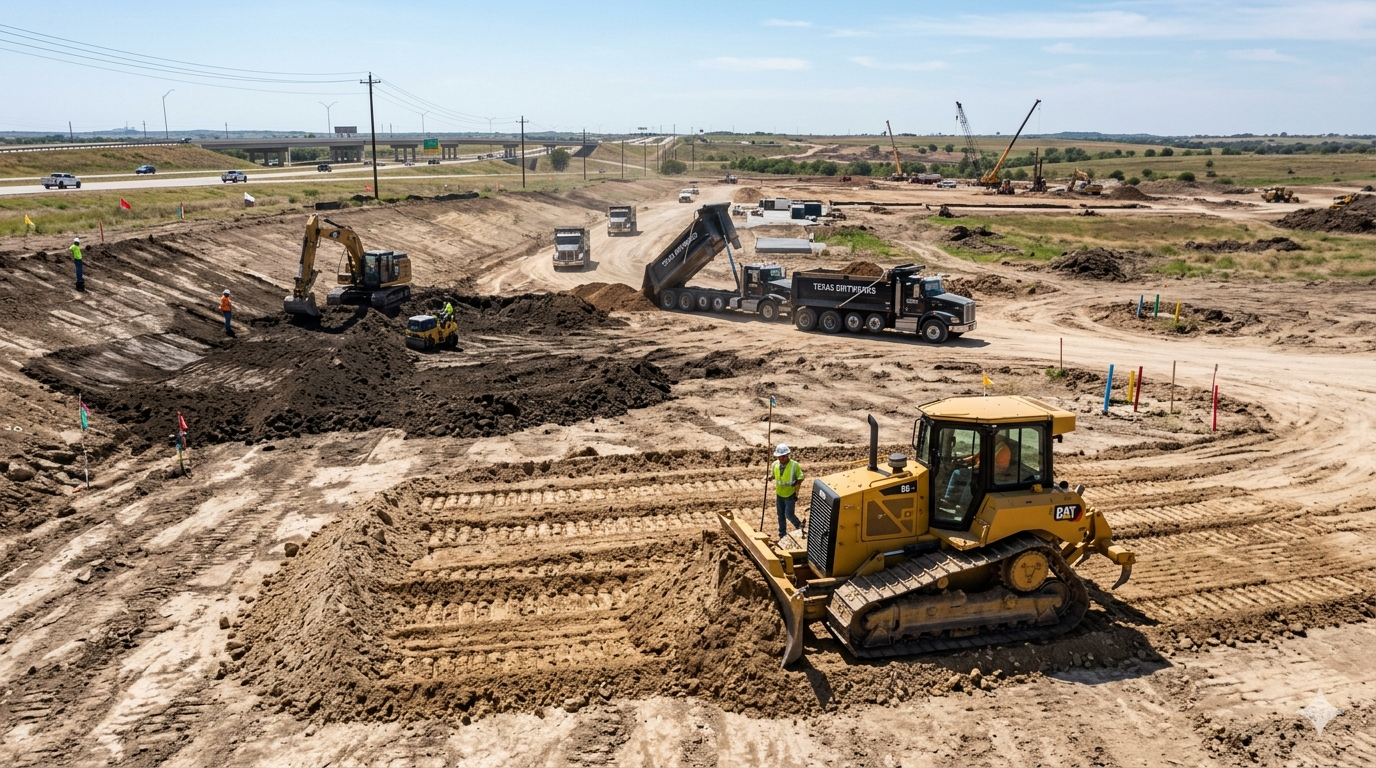
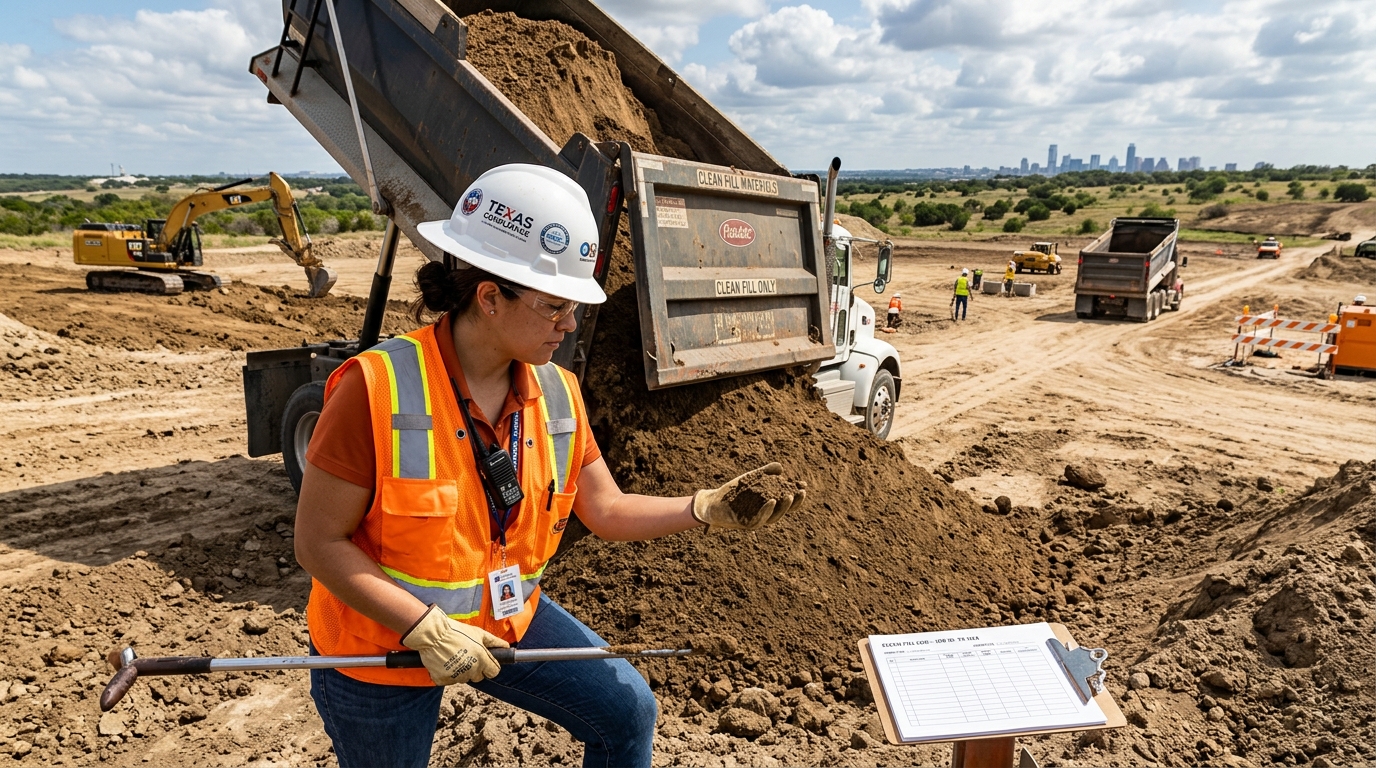
When sourcing material for construction or land development, understanding clean fill dirt Texas requirements is essential. Not all dirt qualifies as “clean,” and using the wrong type can lead to project delays, failed inspections, or environmental issues. Whether you’re working on a commercial build in Houston, a subdivision in Dallas–Fort Worth, or site prep in San Antonio, knowing what clean fill dirt is and where to find it, can save both time and money.
Across Texas, demand for clean fill dirt Texas continues to grow as regulations tighten and contractors prioritize safe, compliant materials. From grading projects near I-35 to land development along SH 99 or Loop 1604, choosing the right fill material is a critical first step.
What Is Clean Fill Dirt?
At its core, clean fill dirt Texas refers to soil that is free from contaminants, debris, and organic material. This means no trash, no hazardous substances, and no construction waste mixed into the load.
Unlike common fill, clean fill dirt is typically screened or sourced from areas where contamination risk is minimal. It’s often used in projects where environmental compliance or structural stability is important.
Clean Fill Dirt vs Common Fill
Before buying, it’s important to understand how clean fill differs from other materials.
Clean fill dirt is typically:
- Free of organic matter like roots and vegetation
- Free from chemicals, metals, or hazardous waste
- Suitable for regulated construction or environmental use
Common fill dirt, on the other hand, may include mixed soil, small debris, or inconsistent composition. While it can still be useful for rough grading, it may not meet requirements for certain projects.
This distinction matters because many Texas projects specifically require clean fill dirt Texas to meet engineering or regulatory standards.
Texas Requirements for Clean Fill Dirt
In Texas, environmental regulations play a role in how fill materials are classified and used. The Texas Commission on Environmental Quality (TCEQ) provides guidance on what qualifies as clean fill and how it should be handled.
TCEQ Guidelines and Compliance
According to the Texas Commission on Environmental Quality, clean fill dirt must not contain contaminants that could impact soil or groundwater quality. This is especially important for projects near waterways, flood zones, or environmentally sensitive areas.
Contractors working with clean fill dirt Texas should ensure:
- The material source is verified
- The soil is free from hazardous substances
- Documentation is available if required for inspection
- The material meets project-specific engineering specs
For infrastructure and roadway-related work, the Federal Highway Administration also emphasizes proper soil selection and compaction practices to ensure long-term stability.
Understanding these requirements helps prevent costly rework and ensures compliance across Texas construction projects.
Common Uses for Clean Fill Dirt in Texas
There are several situations where contractors specifically choose clean fill dirt Texas over standard fill. These applications usually involve stricter quality or environmental requirements.
Building Pads and Structural Fill
Clean fill dirt is often used for building pads where consistent compaction and soil quality are critical. Commercial developments in Austin, warehouse construction in Dallas, and residential builds in San Antonio all rely on stable base material.
Drainage and Flood-Prone Areas
In regions like Houston and Southeast Texas, where flooding can be a concern, clean fill dirt Texas is used to raise elevations and improve drainage without introducing contaminants into the soil.
Environmental and Regulated Projects
Projects near wetlands, retention ponds, or regulated zones often require clean fill to meet environmental guidelines. Using the wrong material in these areas can lead to compliance issues.
Utility and Infrastructure Work
For certain trench backfill and infrastructure applications, clean fill may be specified to ensure soil consistency and avoid contamination risks.
Where to Find Clean Fill Dirt in Texas
Finding reliable sources of clean fill dirt Texas depends on location, availability, and project size. Large metro areas like Dallas, Houston, and Austin typically offer more options, but proximity still plays a major role in cost.
Local Supply Options Across Texas
Contractors often source clean fill dirt from:
- Borrow pits
- Excavation projects with excess material
- Dedicated dirt suppliers
- Marketplace platforms connecting buyers and sellers
For example, if you’re working in North Texas, you might explore options like clean fill dirt in Garland. In Central Texas, bulk supply opportunities like 20000 tons of fill dirt in San Antonio can support large-scale projects. For Gulf Coast work, listings such as fill dirt in Houston may offer closer delivery options.
If you’re comparing multiple sources, the dirt listings category helps you evaluate availability across regions. You can also learn how the platform works through the About page or reach out directly via the Contact page for coordination.
Cost of Clean Fill Dirt in Texas
Pricing for clean fill dirt Texas varies based on several factors, including quality, location, and delivery distance.
What Affects Pricing
The cost of clean fill dirt is influenced by:
- Hauling distance from the source
- Soil quality and screening
- Load size and total volume
- Local demand in cities like Dallas, Houston, and Austin
- Fuel and trucking costs
Clean fill dirt may cost slightly more than common fill due to its quality requirements, but it can prevent costly issues later in the project.
In many cases, transportation becomes the largest factor. A nearby supplier with slightly higher base pricing may still offer better overall value than a cheaper source located farther away.
Final Thoughts
Choosing the right clean fill dirt Texas is about more than just availability, it’s about compliance, performance, and long-term project success. Whether you’re preparing a building pad, correcting drainage, or working in a regulated environment, clean fill ensures your project meets both engineering and environmental standards.
With construction activity expanding across Dallas–Fort Worth, Houston, San Antonio, and Austin, demand for clean, reliable fill material continues to grow. The smartest approach is to verify material quality, compare nearby sources, and factor in hauling distance when evaluating total cost.
If you’re ready to move forward, you can search listings near you to find available supply. And if you have excess clean material from excavation or grading, you can also list your material to connect with buyers across Texas.
FAQs
What is clean fill dirt in Texas?
Clean fill dirt is soil free from contaminants, debris, and organic material, making it suitable for regulated construction and environmental use.
Does Texas require clean fill dirt for certain projects?
Yes. Projects near waterways, flood zones, or regulated areas often require clean fill dirt to meet TCEQ guidelines.
Is clean fill dirt more expensive than regular fill?
It can be slightly more expensive due to quality standards, but it often prevents compliance issues and rework costs.
Where can I find clean fill dirt in Texas?
You can source it from local suppliers, borrow pits, or online marketplaces that connect buyers with nearby material listings.
What affects clean fill dirt pricing in Texas?
Key factors include hauling distance, soil quality, load size, and regional demand.