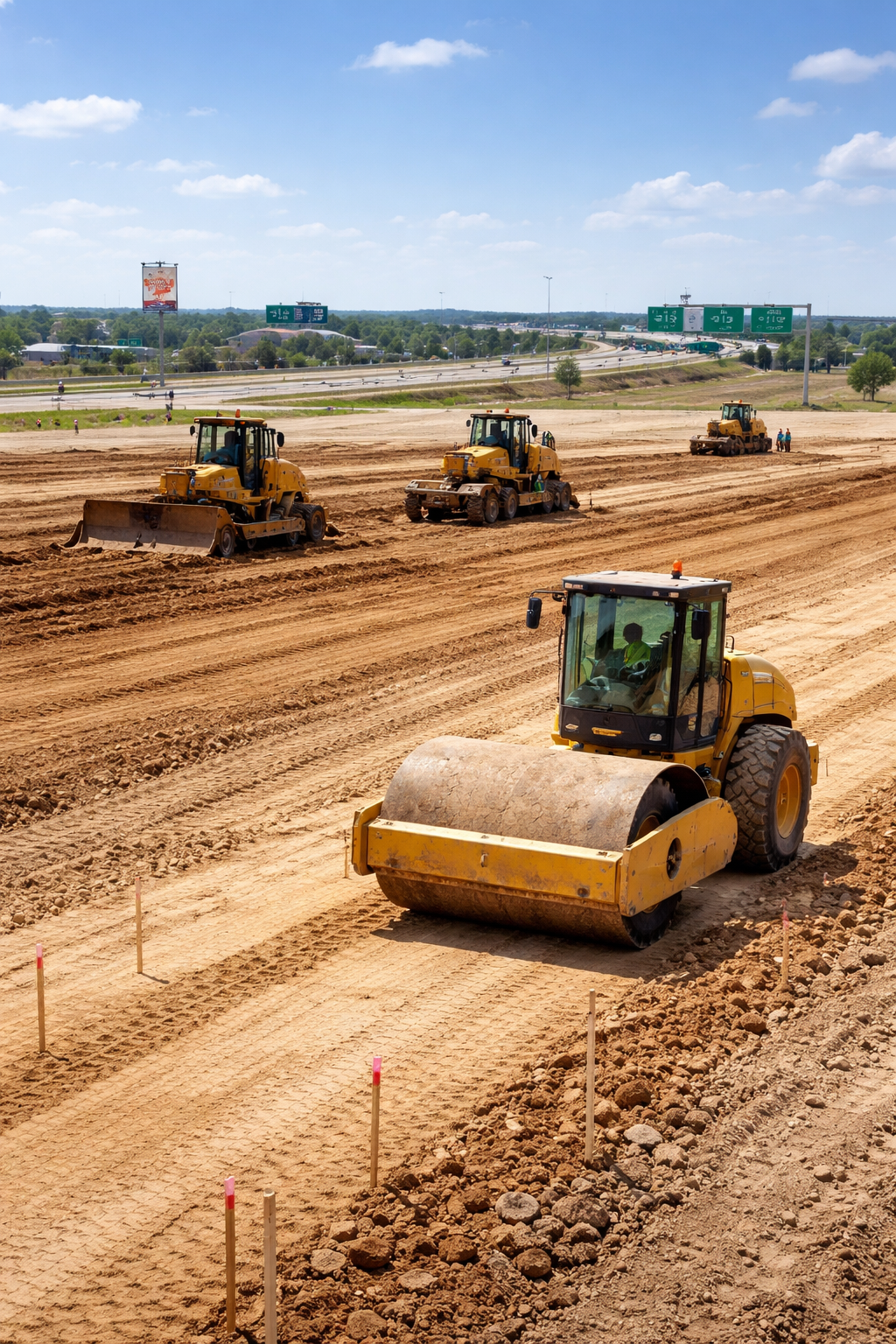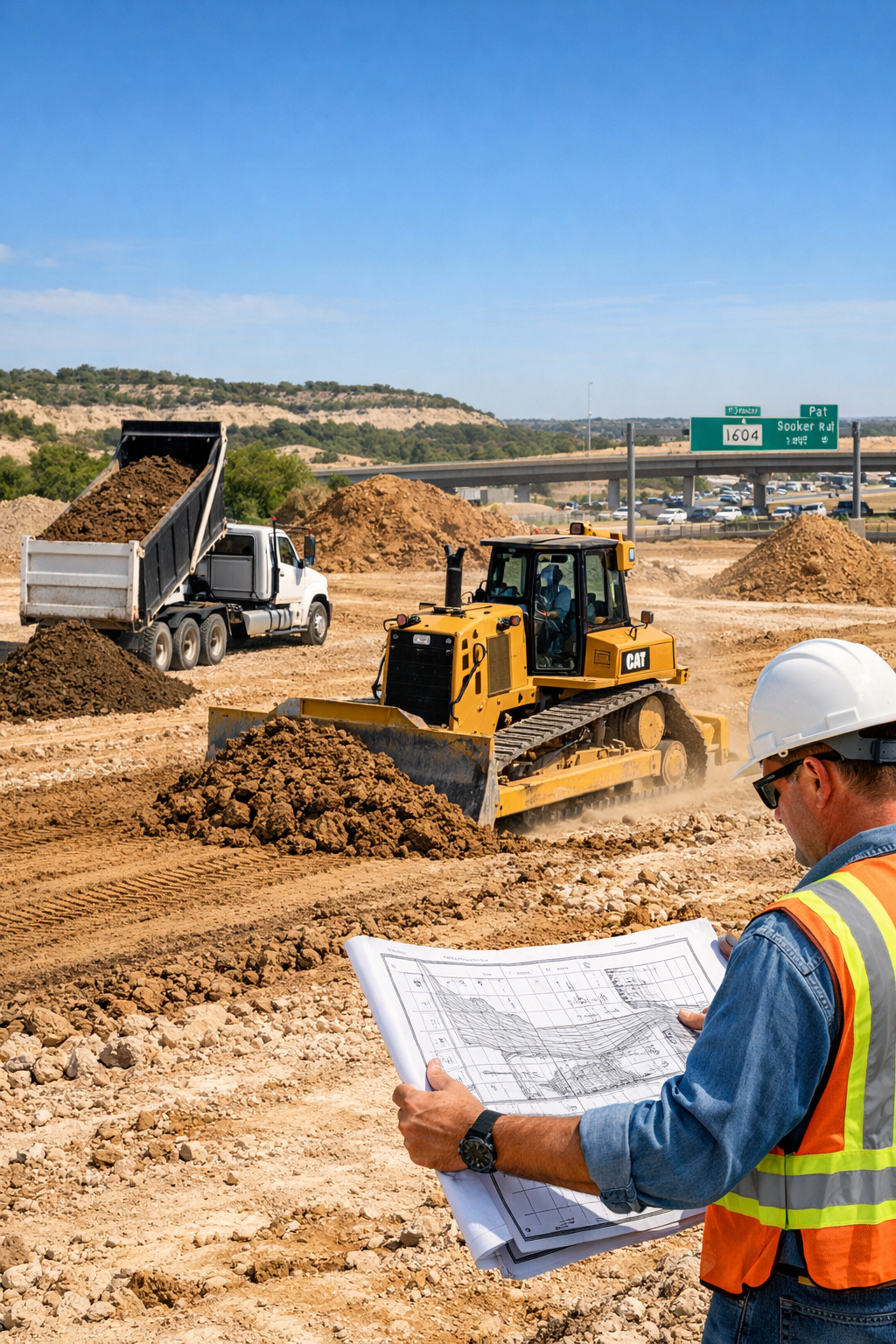
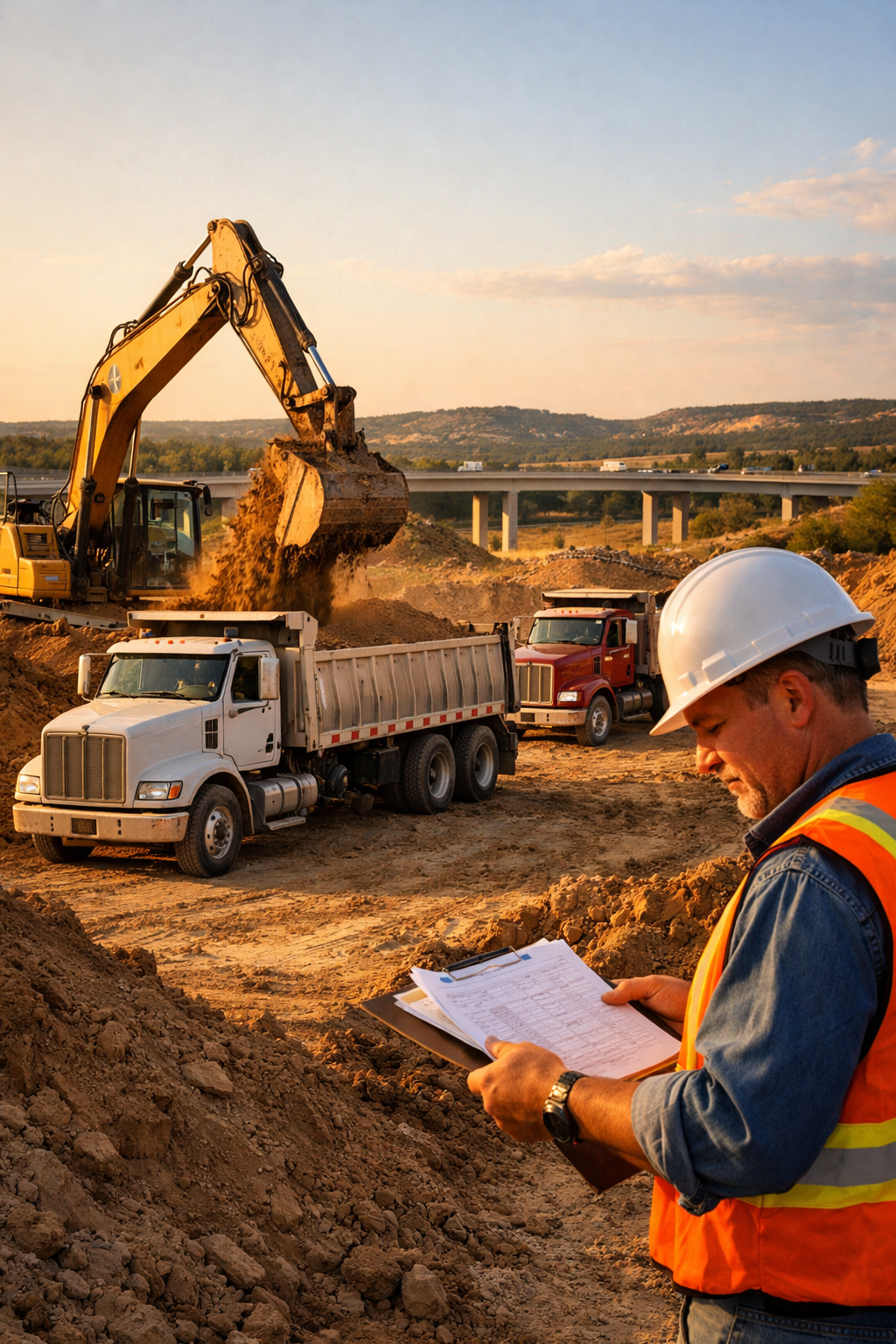
Rapid development across Bexar County has created strong demand for earthwork materials. If you manage excavation or grading work, learning how to sell fill dirt in San Antonio can turn excess soil into revenue instead of a disposal expense.
From subdivision expansion near Loop 1604 to commercial pad development along I-35 and US-90, construction projects constantly require bulk fill material. Rather than paying hauling fees to remove surplus dirt, contractors can redirect that material to nearby projects that need it.
Understanding local demand, soil requirements, and logistics is key to successfully positioning your material in the San Antonio market.
Understanding the Market for Fill Dirt in San Antonio
Before you sell fill dirt in San Antonio, it’s important to understand who is buying and why. Residential builders, commercial site developers, and infrastructure contractors regularly source construction fill dirt for grading, foundation preparation, and elevation correction.
Greater San Antonio continues to expand toward areas like Cibolo, Schertz, and Alamo Ranch. These growing corridors generate consistent demand for bulk earthwork material. Projects in flood-prone or low-lying areas often require additional fill to meet elevation requirements outlined by local development standards. The Bexar County Public Works oversees infrastructure and roadway standards that often require engineered fill for right-of-way and drainage improvements. Projects must meet these standards, which creates ongoing demand for properly sourced fill dirt.
If your job site produces clean, compactable soil, you already have a potential asset.
Evaluating Soil Quality Before You Sell
Not all soil is suitable for resale. Contractors looking to sell fill dirt in San Antonio must ensure their material meets basic quality expectations.
Buyers typically look for:
- Minimal organic debris or vegetation
- Suitable clay-based composition for compaction
- Manageable moisture content
- Consistent soil texture
Material containing excessive roots, trash, or unstable organic matter may be rejected or discounted. If you are working on excavation near Stone Oak, Southside San Antonio, or Helotes, testing soil quality before listing it can improve buyer confidence.
For example, large-volume opportunities such as these 20,000 tons of fill dirt available in San Antonio demonstrate how bulk material from active excavation projects can be repositioned for resale instead of disposal. Similarly, projects requiring engineered soil may be better aligned with select fill listings depending on compaction standards.
The key is accurately describing your material so contractors know whether it meets their project needs.
Reducing Disposal Costs Through Material Resale
One of the biggest advantages when you sell fill dirt in San Antonio is cost avoidance. Hauling surplus soil to a landfill or remote disposal site increases trucking expenses and fuel consumption.
The Texas Commission on Environmental Quality (TCEQ) regulates waste disposal and environmental compliance. By connecting with local buyers instead of transporting material long distances, contractors can significantly reduce fuel usage and driver time.
Projects requiring tighter compaction standards may align better with listings like 20,000 tons of select fill in San Antonio, which is commonly used for building pad preparation and structural grading.
In fast-growing regions of Bexar County, this type of material reuse supports more sustainable construction practices and reduces landfill pressure.
Logistics: Matching Supply with Nearby Demand
Location plays a major role when you sell fill dirt in San Antonio. Buyers prioritize proximity to reduce delivery cost. A contractor working near Loop 410 will likely prefer material located within a short hauling distance rather than soil sourced from the outer edges of the county.
For example:
- A subdivision grading project near I-35 may need hundreds of truckloads.
- A commercial pad near Port San Antonio could require consistent daily deliveries.
- Infrastructure work along Highway 90 may demand phased hauling schedules.
If your surplus dirt is located near these corridors, highlighting proximity increases its attractiveness.
Platforms like Borrow-Pit provide visibility into local supply and demand. Contractors can review available listings, compare volumes, and coordinate directly with sellers. You can learn more about how the platform operates on the About page or reach out through the Contact page to discuss listing options.
Strategic placement improves your chances of successfully selling bulk material rather than paying for removal.
Pricing Strategy for Selling Fill Dirt
Setting the right price is critical when you sell fill dirt in San Antonio. Pricing should reflect:
- Soil quality and compaction suitability
- Estimated hauling distance to major project zones
- Volume available
- Local bulk dirt demand
Overpricing may discourage inquiries, while undervaluing material reduces profitability. Monitoring nearby listings and current bulk dirt prices in San Antonio provides a realistic benchmark.
If you’re unsure, start by evaluating comparable listings in the region and adjust based on inquiry volume.
Sustainable Construction and Long-Term Benefits
Excavation material reuse is becoming more important across Texas construction markets. As urban development continues in Greater San Antonio, redistributing clean soil between job sites improves efficiency and supports sustainable construction practices.
When contractors sell fill dirt in San Antonio instead of discarding it, they contribute to:
- Reduced landfill disposal
- Lower trucking emissions
- Improved regional material efficiency
- Better job site material recovery
Over time, these practices create stronger contractor networks and more cost-effective project execution.
Final Thoughts on Selling Fill Dirt in San Antonio
As San Antonio continues expanding across Bexar County, opportunities to sell fill dirt in San Antonio are growing. Rather than viewing surplus excavation as waste, contractors can reposition it as a valuable construction resource.
By verifying soil quality, understanding local demand, pricing competitively, and leveraging regional visibility, you can convert excess dirt into a revenue-generating asset.
If you have available material, you can list your material to connect with contractors actively sourcing fill dirt. If you’re looking to evaluate regional demand or find nearby buyers, you can also search listings near you to assess the current market landscape.
Strategic material management doesn’t just reduce costs, it strengthens project profitability.
FAQs
Where can I sell fill dirt in San Antonio?
You can connect with local contractors and bulk buyers through regional material listing platforms or direct job site coordination.
What type of fill dirt is most in demand?
Clean, compactable soil with minimal organic content is typically preferred for grading and building pad preparation.
Does hauling distance affect resale value?
Yes. Buyers prioritize nearby sources to reduce fuel and trucking expenses.
Can I sell dirt from a residential excavation project?
Yes, provided the soil meets quality standards and is free from debris or contaminants.
Is select fill easier to sell than regular fill dirt?
Select fill may command higher demand for engineered projects requiring stricter compaction standards.