In construction, material cost is only part of the equation. Transportation often represents one of the largest hidden expenses in earthwork and site development. From fuel surcharges to driver time and equipment wear, trucking costs in construction can quickly eat into project margins. That’s where Borrow-Pit provides a measurable advantage.
By connecting contractors with nearby material sources, Borrow-Pit helps reduce hauling costs for dirt and aggregates while improving logistics efficiency. Whether you’re managing a subdivision in Houston, a warehouse pad in Dallas-Fort Worth, or a rural road project outside San Antonio, sourcing material closer to the job site directly impacts your bottom line.
Why Hauling Costs Add Up So Quickly
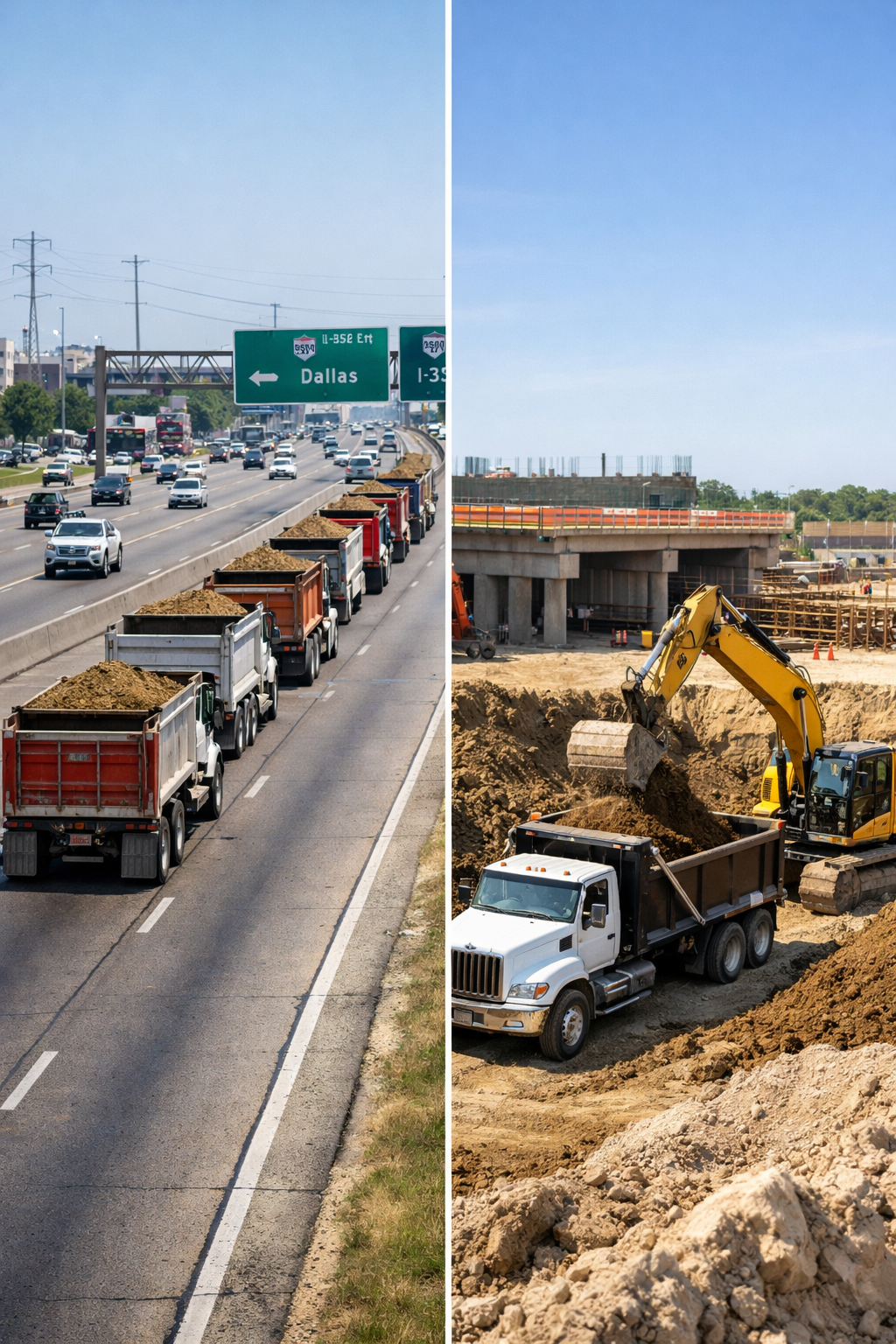
Hauling dirt and aggregates isn’t as simple as loading a truck and driving. Every mile adds fuel expense, labor hours, equipment depreciation, and scheduling risk. In high-growth areas like I-35 corridors in Texas or along major freight routes such as I-10 and I-45, traffic delays alone can increase material delivery costs.
Construction material logistics typically account for:
- Fuel and mileage
- Driver wages and overtime
- Truck maintenance
- Loading and wait times
- Traffic congestion delays
When projects rely on distant commercial aggregate suppliers, these costs multiply. Reducing trucking distance for construction materials becomes one of the fastest ways to improve infrastructure project cost savings.
This is where Borrow-Pit changes the model.
How Borrow-Pit Reduces Hauling Distance
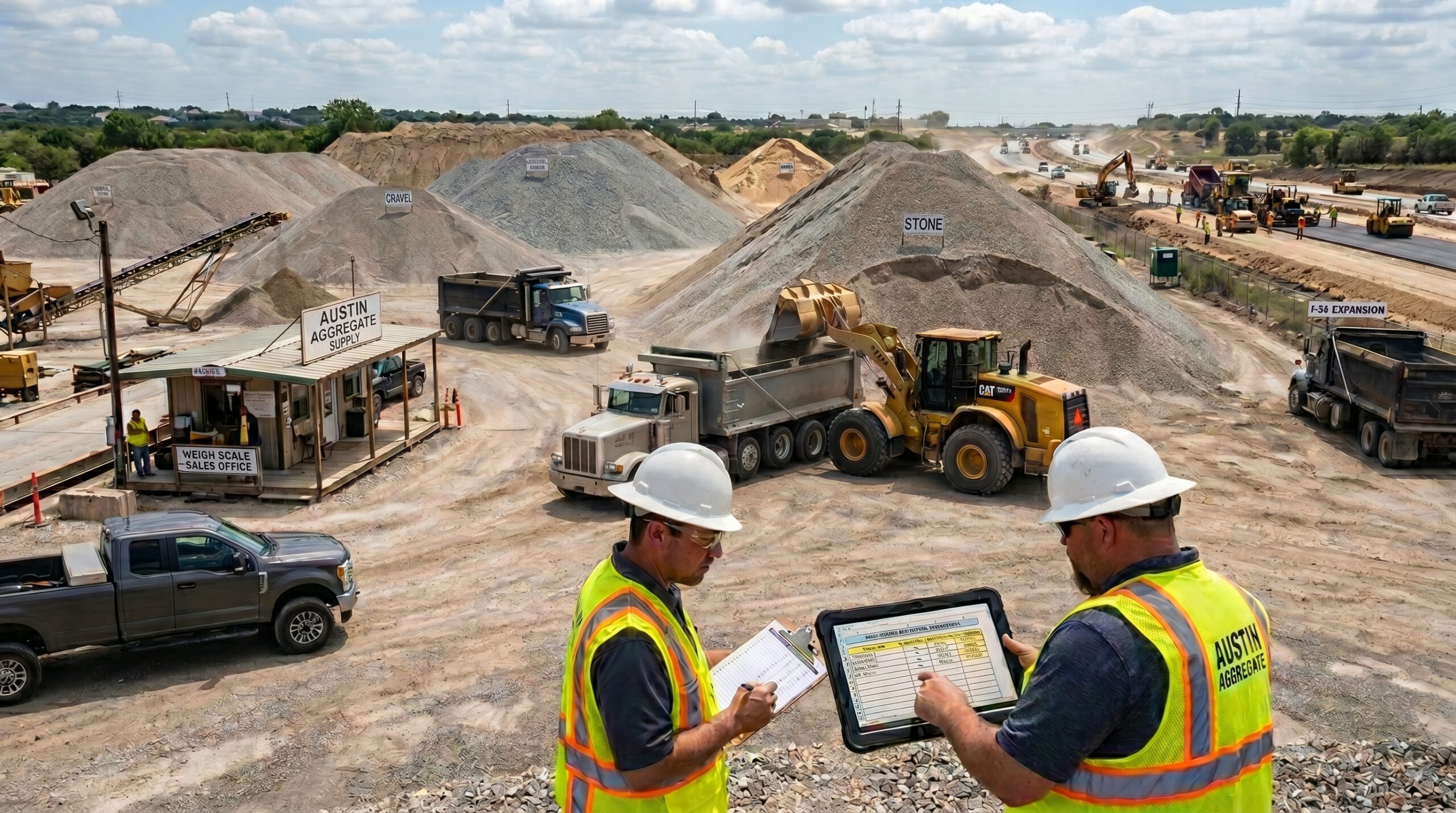
At its core, Borrow-Pit is a marketplace that connects buyers and sellers of earthwork materials. Instead of automatically sourcing from a large regional supplier that may be 40-60 miles away, contractors can find a local borrow pit near them.
Local Sourcing Means Lower Fuel and Labor Costs
When material is sourced closer to the project:
- Fuel cost reduction becomes immediate
- Fewer labor hours are billed per load
- Equipment wear is minimized
- Delivery schedules become more flexible
For example, a contractor building a commercial site in Fort Worth may traditionally haul fill dirt from a distant quarry. Through Borrow-Pit, they can locate a nearby excavation material supplier with surplus material only a few miles away. The aggregate hauling cost reduction on a large project can be significant.
This borrow pit cost savings approach works especially well for:
- Site development materials
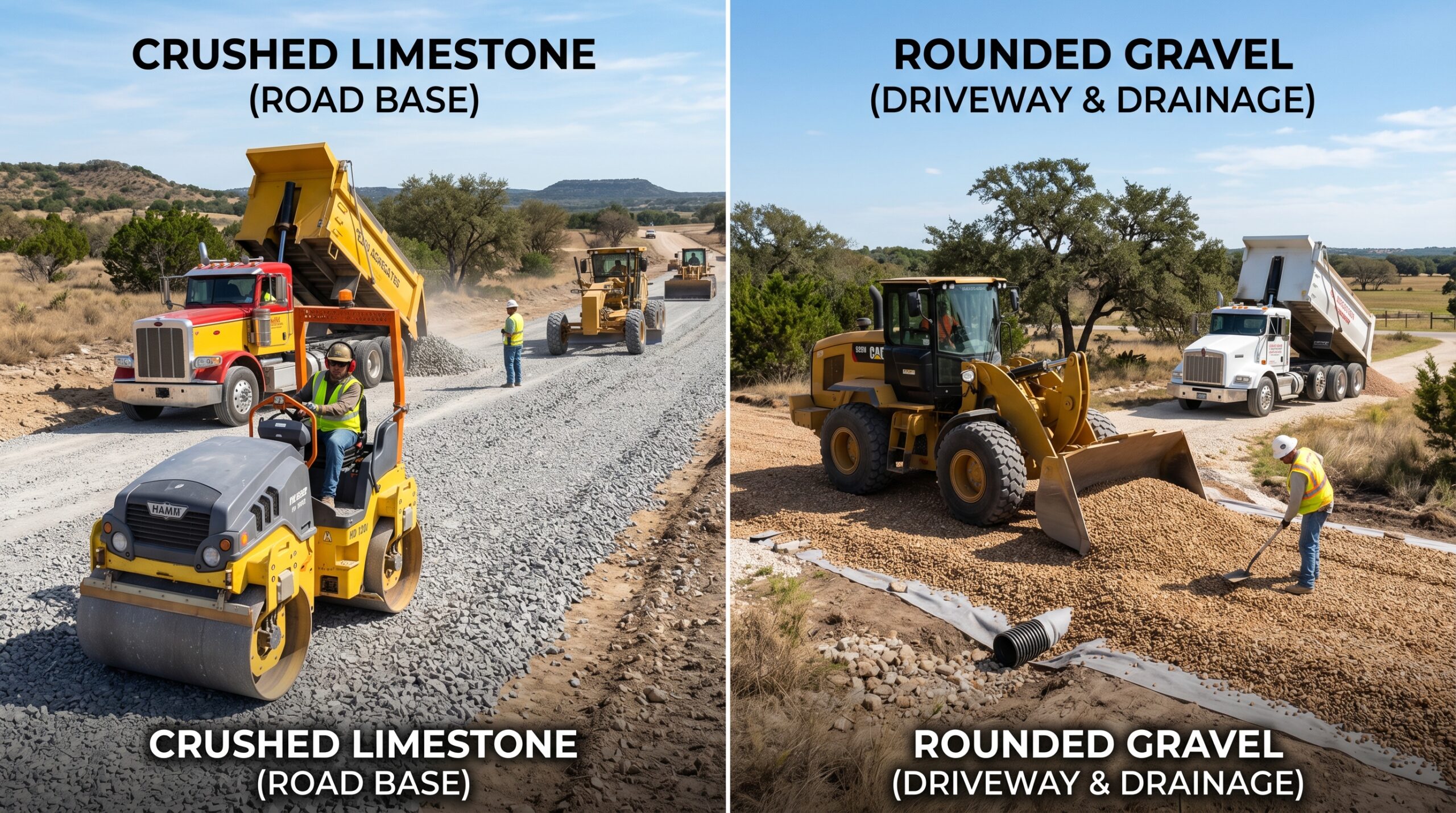
- Road base and aggregate
- Fill dirt and select fill
- Large-volume excavation exports
Borrow-Pit vs Commercial Aggregate Suppliers
Traditional commercial suppliers offer reliability and scale, but they often operate from centralized locations. That model increases heavy equipment transport costs and long-haul trucking expenses.
Flexible Supply from Local Sources
Borrow-Pit allows contractors to compare options based on proximity, quantity, and type. In many cases, another nearby construction site may have excess fill dirt that would otherwise require paid disposal.
Instead of paying for dirt hauling alternatives or landfill fees, contractors can redirect that material to another project. This not only supports construction dirt hauling cost reduction but also encourages material reuse.
The benefits of using a local borrow pit include:
- Lower delivered cost per cubic yard
- Reduced environmental impact
- Shorter lead times
- Better coordination between buyers and sellers
Because fuel prices fluctuate, aggregate hauling cost reduction becomes even more valuable during periods of high diesel pricing.
Real-World Applications Across Texas
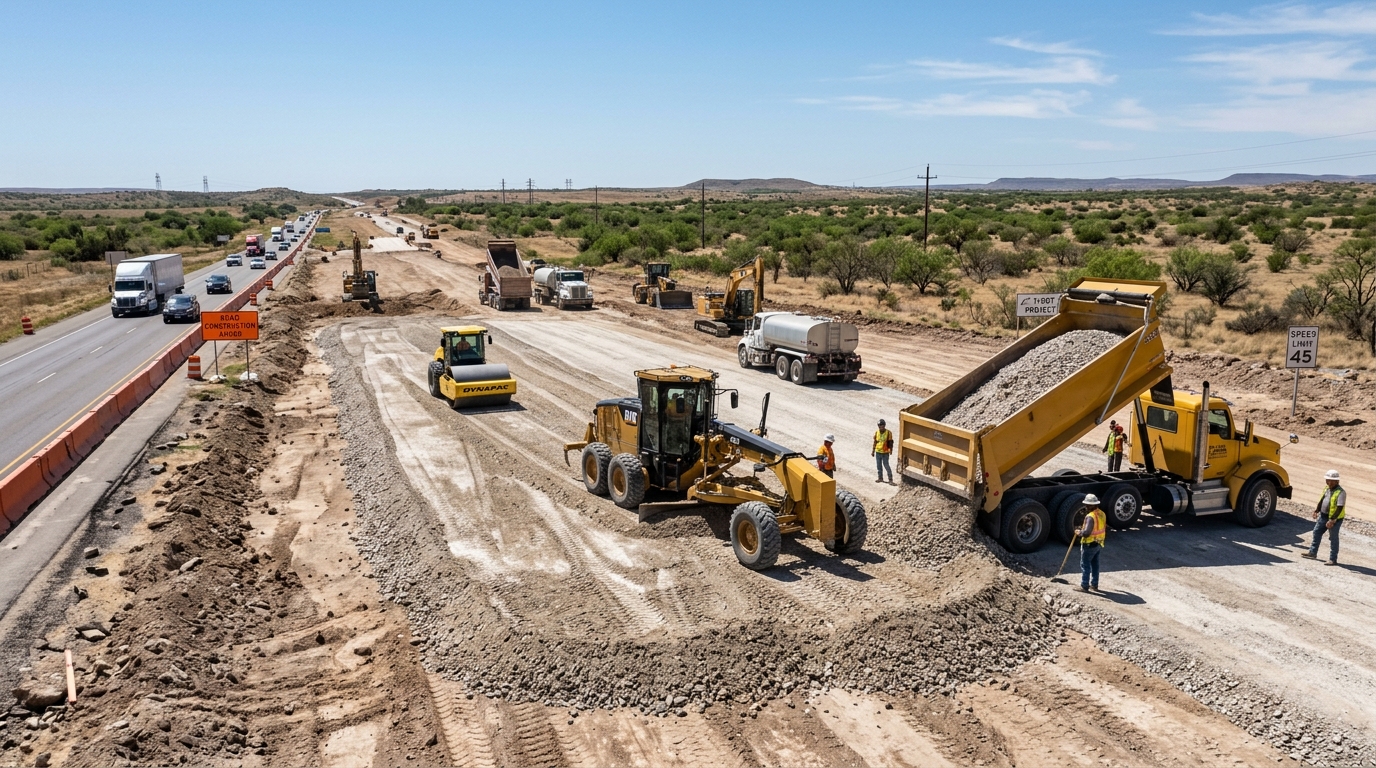
In fast-growing regions like Houston, Dallas-Fort Worth, and Austin, earthwork volumes are substantial. Subdivision grading, highway expansion, and commercial pad development require thousands of cubic yards of fill.
A contractor in Houston working near Beltway 8 might need bulk dirt supplier near me solutions to meet tight schedules. Instead of hauling material across the metro area, they can use Borrow-Pit to identify local aggregate sourcing solutions closer to the project.
Similarly, in rural counties where infrastructure work is expanding, finding affordable dirt and aggregate suppliers within a short hauling distance can significantly reduce project costs.
The Texas Department of Transportation outlines material specifications for public infrastructure projects, and sourcing compliant material locally helps contractors stay within both budget and regulatory requirements.
Environmental and Operational Benefits
Reducing haul distance isn’t only about cost. It also lowers emissions, minimizes road congestion, and decreases the environmental footprint of large-scale projects.
Shorter routes mean:
- Less diesel consumption
- Fewer truck trips
- Lower carbon output
- Reduced roadway wear
In metropolitan areas managing growth and infrastructure expansion, these advantages matter. The U.S. Environmental Protection Agency highlights how reducing heavy-duty vehicle miles can cut emissions in urban regions.
Borrow-Pit supports these sustainability efforts while also delivering practical financial benefits.
Streamlining Earthwork Material Sourcing
Earthwork material sourcing often involves multiple calls, quotes, and logistical coordination. Borrow-Pit simplifies that process by providing visibility into available supply and demand.
Contractors looking to buy fill dirt locally can compare listings, evaluate distances, and calculate potential savings before committing. At the same time, companies with excess material can list their material instead of paying for removal.
For those seeking to reduce hauling costs for dirt on large-scale projects, this transparency makes budgeting more predictable.
You can learn more about the platform’s mission and approach by visiting the About page, or connect directly through the Contact page to discuss sourcing strategies.
If you’re planning your next project, take advantage of the ability to search listings near you and evaluate how proximity impacts your delivered material cost.
Conclusion
In modern construction, transportation often drives costs more than raw material pricing. By shortening trucking routes and connecting contractors with nearby supply, Borrow-Pit creates measurable savings in fuel, labor, and equipment wear.
Whether you’re managing a subdivision, infrastructure expansion, or commercial development, reducing trucking distance for construction materials directly improves profitability. Borrow-Pit offers a smarter way to source dirt and aggregates locally, helping contractors control budgets while maintaining schedule reliability.
When hauling distance shrinks, margins grow, and that’s where Borrow-Pit delivers value.
Frequently Asked Questions
1. How does Borrow-Pit reduce hauling costs?
Connecting contractors with nearby suppliers reduces trucking distance and associated fuel and labor expenses.
2. Is a local borrow pit cheaper than a commercial supplier?
In many cases, yes. Shorter haul routes often result in lower delivered material costs.
3. Can Borrow-Pit help with large-scale infrastructure projects?
Yes. The platform supports bulk dirt and aggregate sourcing for major developments.
4. Does using Borrow-Pit help reduce environmental impact?
Shorter trucking distances reduce fuel consumption and emissions.
5. How do I find a local pit near me?
You can search listings near you on Borrow-Pit to compare nearby material sources and coordinate directly with suppliers.