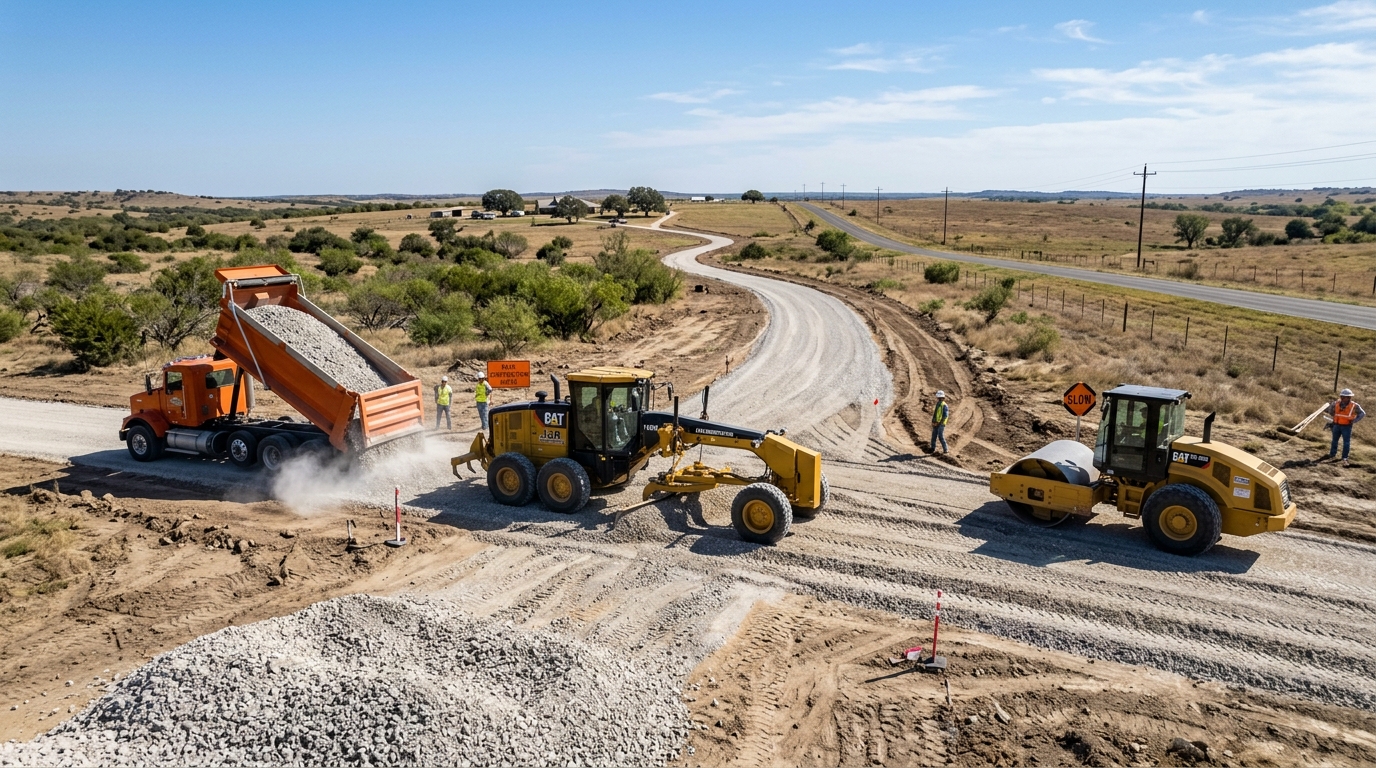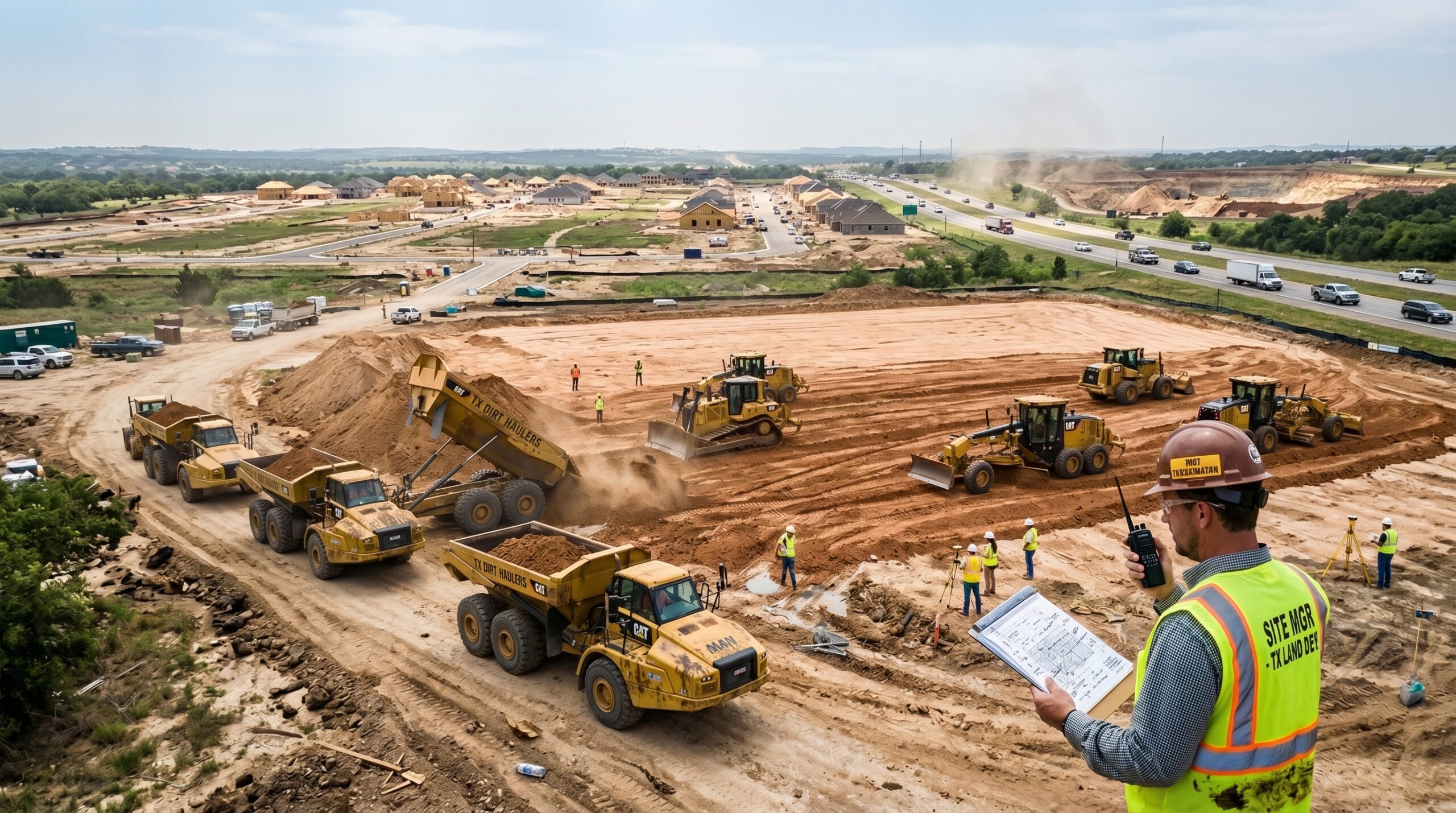
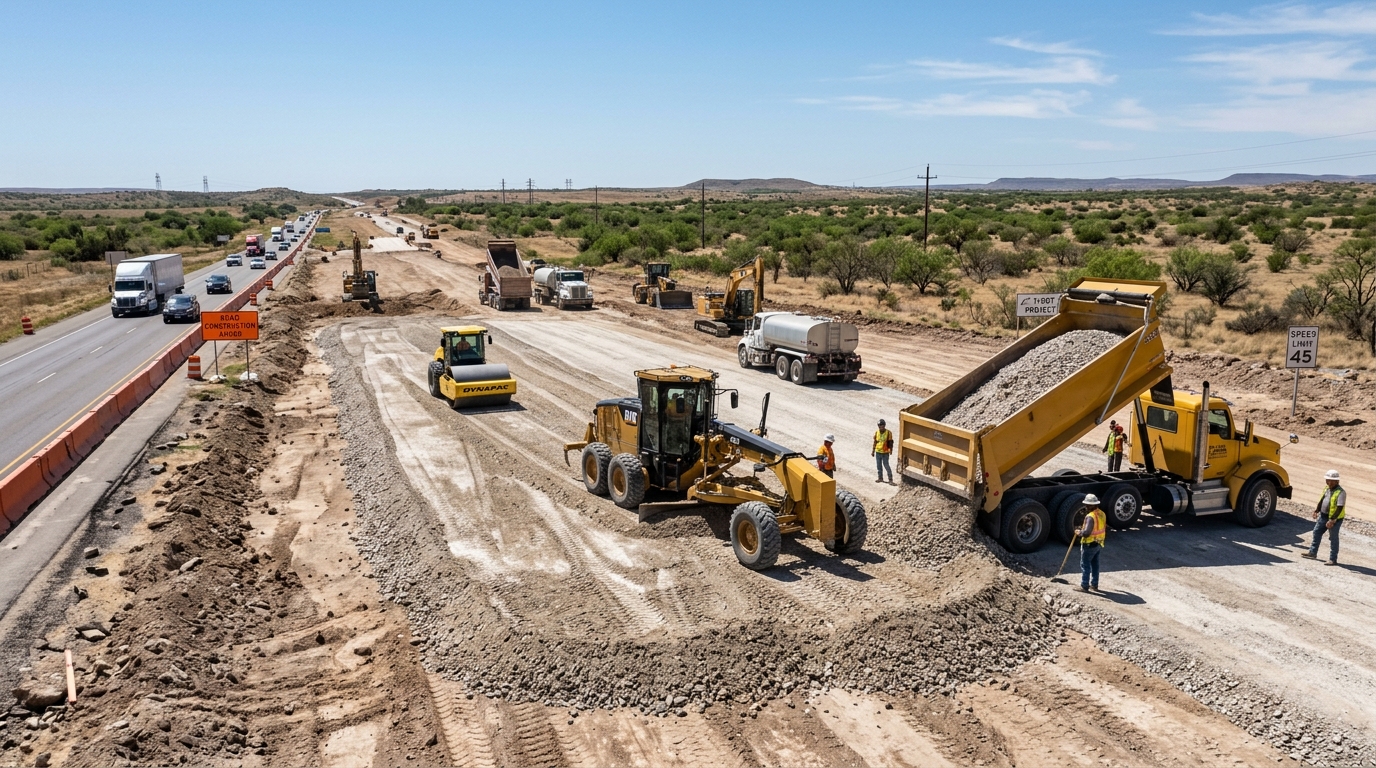
When it comes to building durable infrastructure, choosing the best aggregates for road construction projects is one of the most critical decisions contractors make. In Texas, where highways stretch across diverse terrain from the Hill Country to coastal plains, aggregate selection directly impacts road longevity, maintenance costs, and overall performance.
Whether you’re working on a rural access road near San Antonio, a subdivision street in Dallas-Fort Worth, or a highway expansion along I-35, the materials beneath the surface matter just as much as the asphalt on top. Understanding which aggregates work best, and why, can help you build stronger, longer-lasting roads while controlling costs.
Why Aggregate Selection Matters in Texas Road Construction
Texas presents unique challenges for road construction. Expansive clay soils, extreme heat, and heavy rainfall all affect how road materials perform over time. That’s why selecting the best aggregates for road construction projects isn’t just about availability, it’s about compatibility with local conditions.
Aggregates form the structural foundation of roads. They provide load distribution, drainage, and stability. Poor-quality or improperly selected materials can lead to premature cracking, rutting, and costly repairs.
Contractors working across regions like Houston, Austin, and West Texas must consider:
- Soil conditions and subgrade behavior
- Traffic load requirements
- Drainage performance
- Climate-related expansion and contraction
To better understand material standards and specifications, many contractors reference resources like the Texas Department of Transportation (TxDOT) guidelines, which outline approved aggregate materials for state-funded road projects.
Common Types of Aggregates Used in Texas Roads
Not all aggregates perform the same, especially under Texas conditions. The most commonly used materials each serve a specific purpose in the road structure.
Crushed Limestone for Base Layers
Crushed limestone is one of the most widely used materials in Texas road construction. It compacts well, provides excellent stability, and is readily available across much of the state.
For contractors looking for the best gravel for road base Texas, limestone often becomes the go-to option. Its angular shape allows particles to lock together, creating a solid foundation that supports heavy traffic.
Gravel and Natural Aggregates
Gravel is commonly used in rural and low-traffic roads. While it doesn’t compact as tightly as crushed stone, it offers good drainage and is often more affordable.
In areas like North Texas and rural counties, gravel roads are still widely used for access routes and temporary construction paths.
Crushed Concrete and Recycled Materials
Recycled aggregates, such as crushed concrete, are becoming increasingly popular. These materials are cost-effective and environmentally friendly, making them a smart choice for large-scale projects.
They are often used as sub-base layers or temporary road surfaces, especially in urban development zones.
Comparing Aggregate Materials for Road Performance
Choosing between materials like limestone, gravel, and crushed concrete requires a closer look at performance characteristics. When evaluating the best aggregates for road construction projects, contractors typically consider compaction, durability, and drainage.
Compaction and Stability
Crushed stone, especially limestone, offers superior compaction compared to rounded gravel. This makes it ideal for high-traffic roads and highways.
Drainage Capabilities
Gravel performs well in areas where drainage is critical. Its looser structure allows water to pass through, reducing the risk of erosion or water buildup.
Cost and Availability
Material cost varies depending on location and proximity to suppliers. In Texas, sourcing locally often reduces hauling expenses significantly.
Contractors comparing crushed stone vs. gravel for roads often balance performance needs with budget constraints, especially for large-scale developments.
Sourcing Aggregates Efficiently in Texas
Finding reliable suppliers is just as important as choosing the right material. When sourcing construction aggregates Texas, proximity plays a major role in overall project cost.
Traditional aggregate yards offer consistency, but they may not always be the closest option. That’s why many contractors now explore broader sourcing strategies.
Using platforms like Borrow-Pit allows contractors to compare multiple local suppliers instead of relying on a single source. This improves visibility into available materials and helps reduce hauling distance.
You can explore available materials through the aggregate listings section or learn more about how sourcing works via the About page. For project-specific coordination, the Contact page provides a direct way to connect with suppliers.
Regional Considerations Across Texas
The best aggregates for road construction projects can vary depending on where you’re building.
North Texas (Dallas-Fort Worth Area)
This region often uses crushed limestone and concrete due to local availability and high urban demand.
Central Texas (Austin and Surrounding Areas)
Limestone dominates here, thanks to natural deposits. It’s widely used for both residential and commercial road projects.
South Texas (San Antonio and Beyond)
Caliche and limestone are common, especially for rural roads and base layers.
Coastal Regions (Houston Area)
Drainage becomes a priority due to heavy rainfall. Aggregates with strong drainage properties are preferred.
Understanding these regional differences helps contractors choose materials that perform well under local conditions.
How to Choose the Right Aggregate for Your Project
Selecting the right material isn’t just about picking what’s available, it’s about aligning your choice with project requirements.
Here are a few key considerations:
- Traffic volume and load requirements
- Soil conditions and subgrade stability
- Drainage needs
- Budget and delivery logistics
For example, a highway project along I-10 will require stronger, more compactable materials than a rural access road outside of Austin.
Planning ahead and sourcing locally can significantly improve both performance and cost efficiency.
The Role of Logistics in Aggregate Selection
Even the best materials can become expensive if transportation isn’t optimized. Hauling distance directly affects pricing, especially for bulk orders.
Contractors working on large projects often prioritize suppliers within a 10-20 mile radius of the job site. This reduces fuel costs, delivery time, and overall project expenses.
Using a flexible sourcing approach, rather than relying on a single supplier, allows for better cost control and improved scheduling.
Final Thoughts
Choosing the best aggregates for road construction projects in Texas requires a balance between performance, cost, and availability. From crushed limestone to recycled materials, each option offers unique advantages depending on the project type and location.
By understanding local conditions, comparing material properties, and sourcing strategically, contractors can build roads that stand up to Texas weather and traffic demands.
If you’re planning a project, take time to evaluate nearby suppliers and material options. You can search listings near you to find the most efficient sourcing solution, or list your material if you’re supplying aggregates to contractors across Texas.
FAQs
What are the best aggregates for road construction in Texas?
Crushed limestone is one of the most commonly used materials due to its strength and compaction properties.
What is the difference between gravel and crushed stone for roads?
Crushed stone compacts better and provides more stability, while gravel offers better drainage but less structural strength.
Can recycled materials be used in road construction?
Yes, crushed concrete and other recycled aggregates are widely used, especially for sub-base layers.
How do I find aggregate suppliers in Texas?
You can explore local suppliers, quarries, or use online platforms that connect you with nearby material sources.
Why is hauling distance important in aggregate pricing?
Longer distances increase fuel costs and delivery time, significantly impacting the total project cost.