Choosing between asphalt millings vs traditional asphalt is a decision many Texas contractors face when planning paving work. Whether it’s a rural driveway outside San Antonio, a commercial lot in Houston, or an access road near a Dallas–Fort Worth development, the material you choose directly impacts cost, durability, and long-term performance.
Texas conditions make this decision even more important. With extreme heat, heavy truck traffic, and expansive soil movement, paving materials must hold up under pressure. That’s why understanding the real differences between asphalt millings vs traditional asphalt helps contractors and property owners make smarter, more cost-effective decisions.
Both materials have their place, but they serve different purposes depending on the project scope, budget, and performance expectations.
Understanding the Core Difference Between Asphalt Millings and Asphalt
At a basic level, the comparison of asphalt millings vs traditional asphalt comes down to how the material is produced and used.
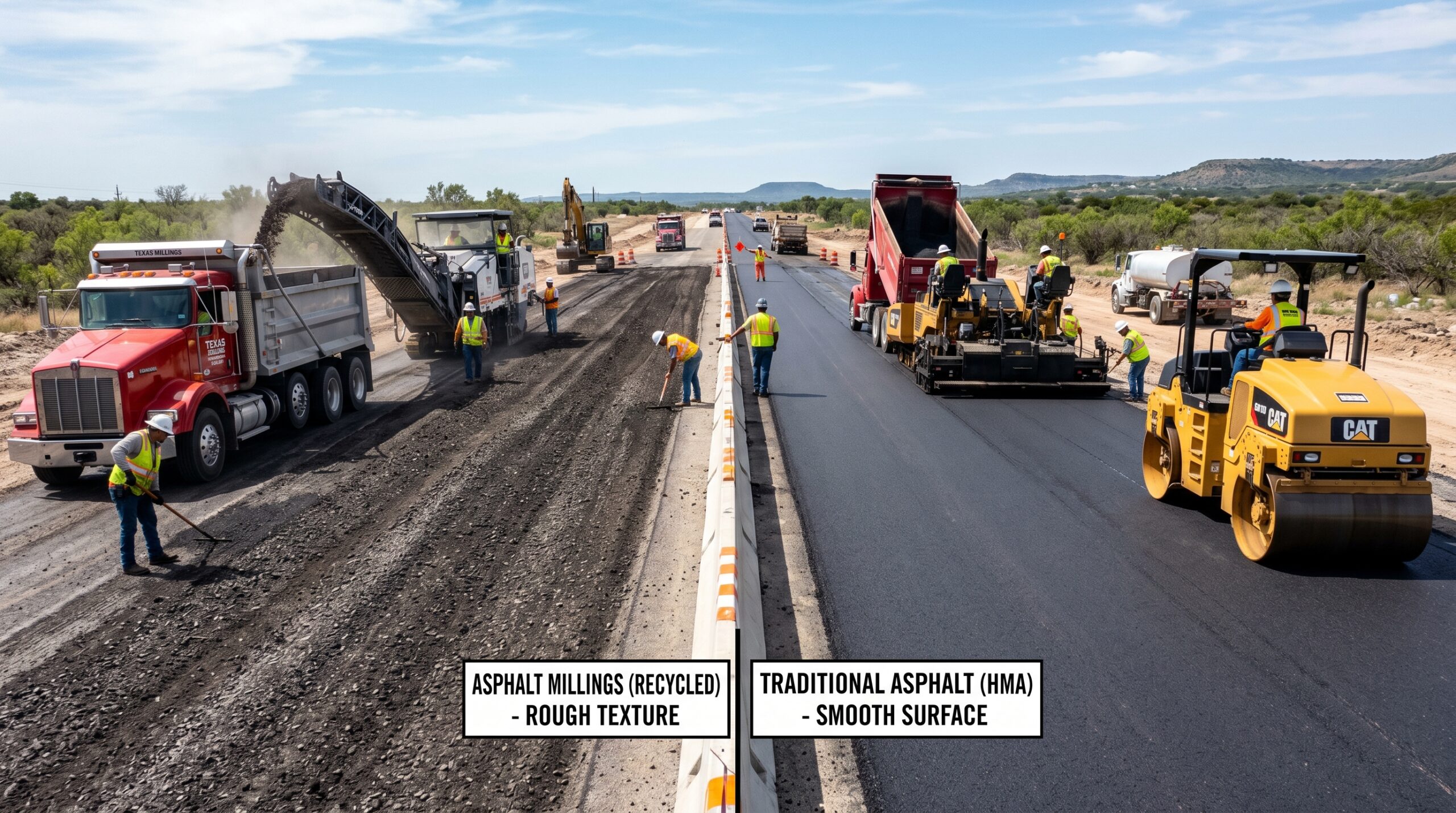
Traditional asphalt is a freshly manufactured mix of aggregates and liquid asphalt binder, laid hot and compacted to create a smooth, finished surface. It’s commonly used for highways, parking lots, and high-traffic roads across Texas.
Asphalt millings, on the other hand, are recycled asphalt. They’re created by grinding up existing pavement and reusing the material. This makes them a popular option for projects where cost savings and sustainability matter.
How Each Material Performs on Texas Job Sites
In real-world Texas conditions, both materials perform well, but differently. Traditional asphalt provides a smoother, more uniform finish, making it ideal for high-visibility or high-traffic areas. Asphalt millings, however, offer strong compaction and a durable surface, especially for secondary roads and driveways.
Contractors working along I-35 corridors or in rapidly growing areas like Frisco or New Braunfels often weigh asphalt millings vs traditional asphalt based on project type rather than assuming one is always better.
Cost Comparison: Where Asphalt Millings Stand Out
One of the biggest reasons contractors consider asphalt millings vs traditional asphalt is cost. Budget constraints are a reality on nearly every project, and material selection can significantly affect the bottom line.
Asphalt millings are generally more affordable because they reuse existing material and require less processing. There’s no need for new raw materials or energy-intensive production, which reduces overall pricing.
Traditional asphalt, while more expensive, offers a polished finish and longer lifespan when installed correctly. However, the higher upfront cost can be a limiting factor for large or budget-sensitive projects.
Delivered Cost and Hauling Considerations
Cost isn’t just about the material, it’s also about transportation. According to the WFAA, diesel prices directly impact trucking rates across Texas. This means hauling distance plays a major role in total cost.
Because asphalt millings are often sourced locally from reclaimed roads, they can be closer to job sites. This reduces hauling expenses and makes them even more cost-effective when comparing asphalt millings vs traditional asphalt.
Performance and Durability in Texas Conditions
When it comes to durability, the debate around asphalt millings vs traditional asphalt depends heavily on usage.
Traditional asphalt is designed for long-term performance under heavy traffic. It provides a smooth surface, better water resistance, and consistent structural integrity, making it ideal for highways and commercial parking lots.
Asphalt millings, while slightly less refined, still offer excellent durability when compacted properly. They bind together over time, especially under heat, creating a stable surface that holds up well in many applications.
Best Use Cases for Each Material
- Traditional Asphalt
- High-traffic roads and highways
- Commercial parking lots
- Urban developments with strict finish requirements
- Asphalt Millings
- Residential driveways
- Rural and temporary access roads
- Large areas where budget is a priority
For many contractors, the choice between asphalt millings vs traditional asphalt isn’t about which is better overall, it’s about which fits the job.
Sustainability and Environmental Impact
Sustainability is becoming a bigger factor in construction decisions across Texas. This is where asphalt millings have a clear advantage.
Because they are recycled, millings reduce the need for new raw materials and minimize construction waste. This aligns with growing industry trends toward sustainable building practices.
The Federal Highway Administration highlights asphalt as one of the most recycled materials in the U.S., reinforcing the value of reused pavement in modern construction.
Using asphalt millings vs traditional asphalt can help contractors meet environmental goals while also lowering costs, a win-win for many projects.
Sourcing Materials Efficiently in Texas
No matter which material you choose, sourcing plays a major role in project success. Availability, location, and delivery timing all impact efficiency.
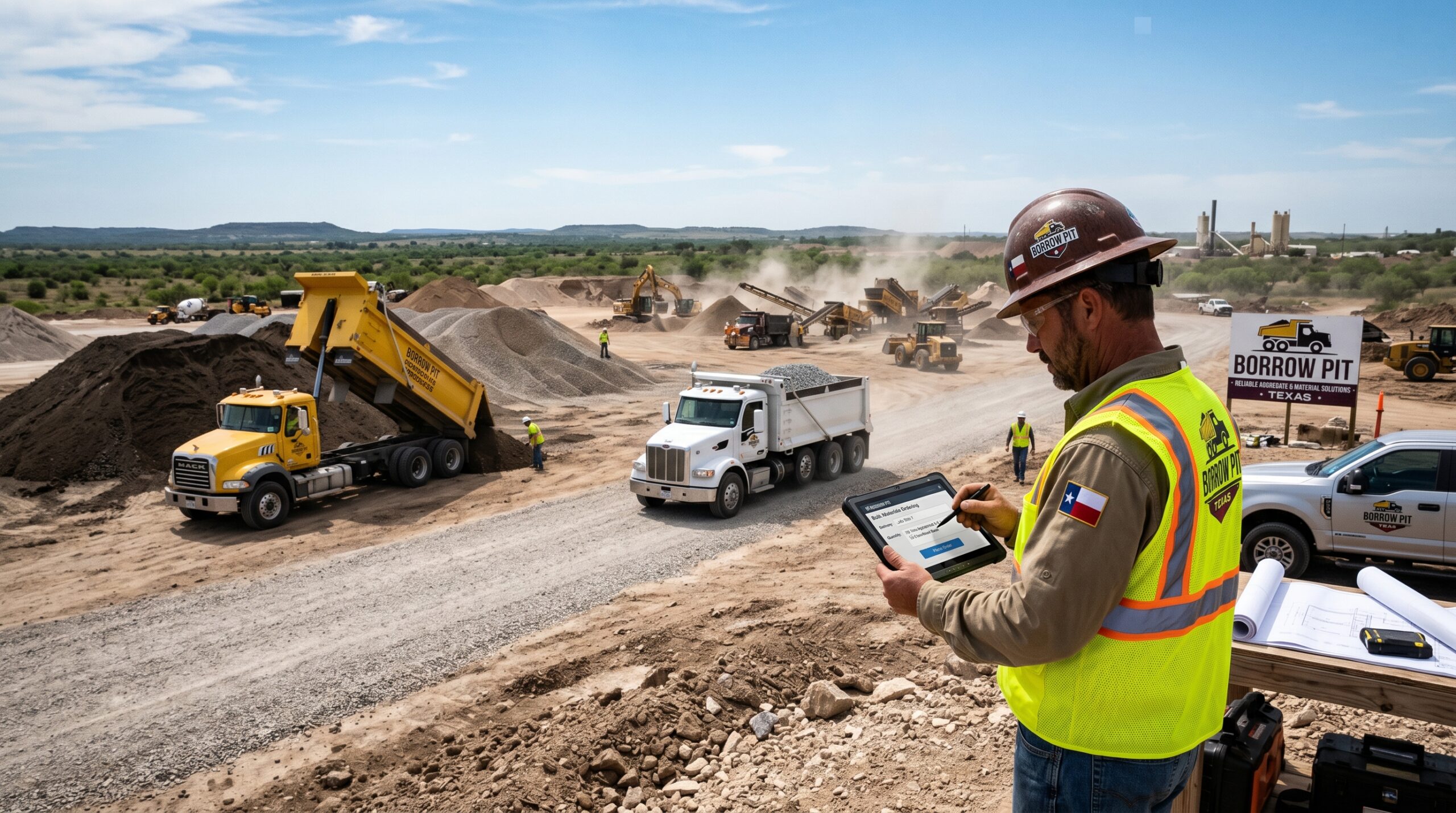
Contractors often rely on platforms like Borrow-Pit to find local suppliers, compare listings, and secure bulk materials quickly. You can explore available options through the aggregates listings or browse dedicated asphalt millings listings for project-specific needs.
For more details about sourcing and logistics, visit the About page or reach out via the Contact page.
Having access to multiple suppliers makes it easier to evaluate asphalt millings vs traditional asphalt based on real-time availability and pricing.
Final Thoughts
The choice between asphalt millings vs traditional asphalt ultimately depends on your project goals. If you need a smooth, long-lasting surface for high-traffic use, traditional asphalt is the better option. If cost savings, sustainability, and flexibility are priorities, asphalt millings offer a strong alternative.
Across Texas, from Dallas–Fort Worth to Houston and Austin, contractors are increasingly using both materials strategically rather than relying on just one. Understanding how each performs allows for smarter decisions and better project outcomes.
If you’re planning a paving project, you can search listings near you to find available materials. And if you have reclaimed asphalt or excess material, you can also list your material to connect with buyers across Texas.
FAQs
What is the difference between asphalt millings and traditional asphalt?
Asphalt millings are recycled pavement, while traditional asphalt is newly manufactured. Each serves different purposes depending on the project.
Are asphalt millings cheaper than asphalt in Texas?
Yes, asphalt millings are typically more affordable due to lower material and production costs.
Which is better for driveways in Texas?
Asphalt millings are often preferred for driveways because they are cost-effective and provide good durability.
Can asphalt millings handle heavy traffic?
They can handle moderate traffic, but traditional asphalt is better suited for heavy-duty applications like highways.