When it comes to buying bulk aggregates in Texas, the decision goes far beyond simply finding available material. Contractors across Dallas–Fort Worth, Houston, San Antonio, and Austin know that the wrong aggregate choice can lead to drainage issues, poor compaction, or even structural problems down the line.
From highway projects along I-10 to residential developments in rapidly growing suburbs like Katy or Round Rock, aggregates play a foundational role in construction. Whether you’re sourcing gravel, crushed stone, or road base, understanding what to evaluate before purchasing can save both time and money.
The reality is, buying bulk aggregates in Texas is as much about logistics and quality control as it is about price. Knowing what to look for helps ensure your project runs smoothly from the ground up.
Material Quality and Performance Should Always Come First
One of the most important factors in buying bulk aggregates in Texas is material quality. Not all aggregates perform the same, even if they appear similar at first glance.
Aggregates are categorized based on size, composition, and intended use. For example, crushed limestone is commonly used for road base due to its compaction properties, while gravel may be better suited for drainage applications. Choosing the wrong type can lead to uneven surfaces or long-term maintenance issues.
Understanding Grading and Composition
Grading refers to the distribution of particle sizes within the aggregate. Well-graded materials compact more effectively, creating a stable base for construction. Poorly graded aggregates, on the other hand, may shift over time or fail to support heavy loads.
In Texas, where soil conditions can vary significantly, from clay-heavy regions in North Texas to sandy soils near the Gulf Coast, selecting the right aggregate becomes even more critical. Contractors must match material properties with site conditions to ensure durability.
When buying bulk aggregates in Texas, always verify specifications and confirm that the material meets project requirements before committing to large quantities.
Supplier Reliability and Location Matter More Than You Think
Another key consideration when buying bulk aggregates in Texas is the reliability and proximity of your supplier. Even high-quality material can become a problem if delivery is inconsistent or delayed.
Why Local Sourcing Reduces Risk
Working with suppliers close to your job site helps minimize hauling time and transportation costs. For projects along major corridors like I-35 or US-290, proximity can significantly impact overall efficiency.
According to the Federal Highway Administration, fuel costs are a major factor in transportation pricing. This means longer hauling distances can quickly increase your total project cost, even if the base material price is lower.
Local sourcing also improves scheduling reliability. Shorter travel distances allow for faster turnaround times and more consistent deliveries, something that’s essential for large-scale construction projects.
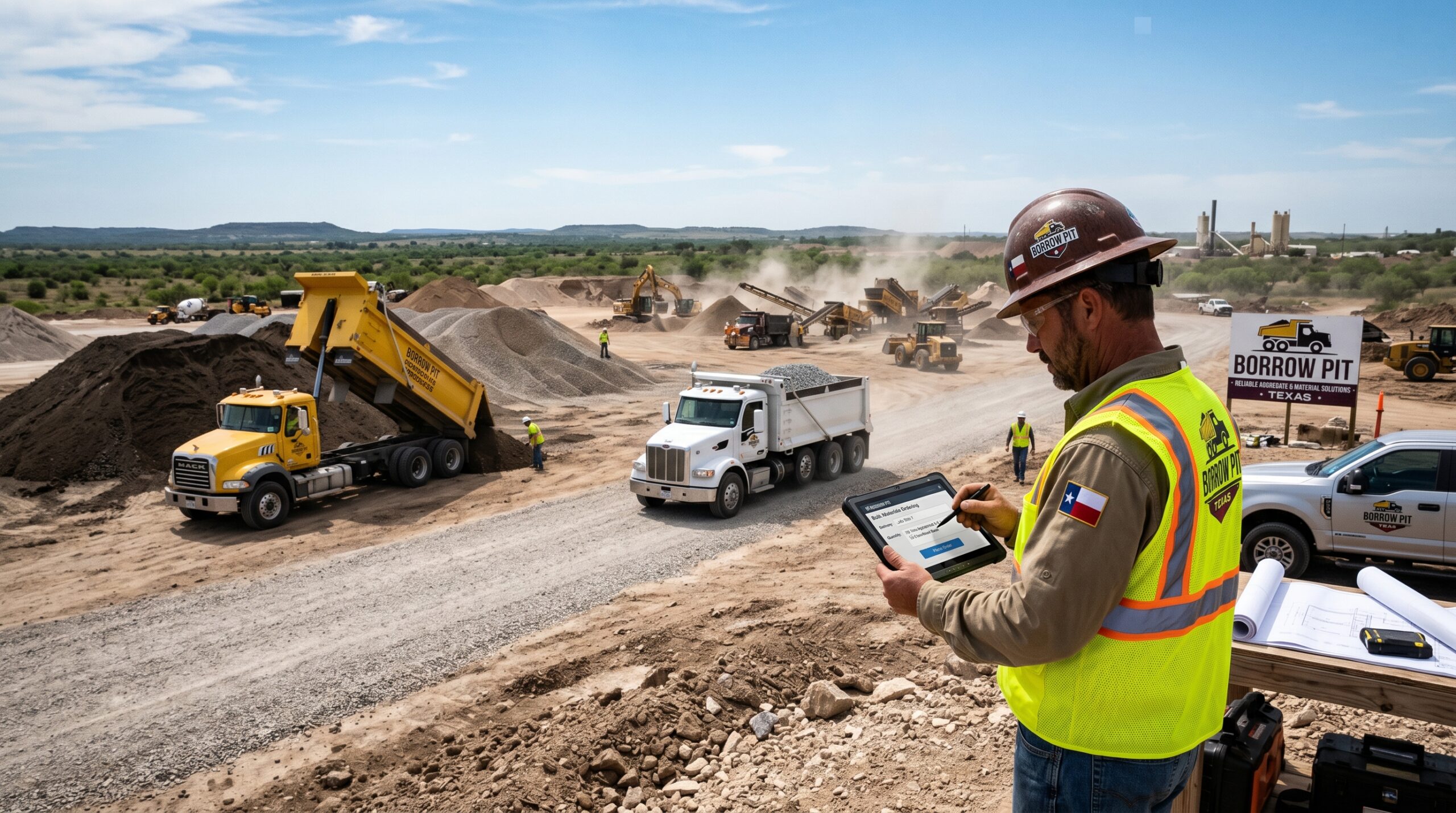
Contractors often use platforms like Borrow-Pit to compare nearby suppliers and evaluate availability in real time. You can explore current options through the aggregates listings, learn more about sourcing strategies on the About page, or coordinate supply needs via the Contact page.
Balancing Cost with Long-Term Value
Price is always a factor when buying bulk aggregates in Texas, but focusing only on the lowest cost can lead to problems later. The goal should be to balance upfront pricing with long-term performance.
What Impacts Aggregate Pricing?
Several factors influence the cost of aggregates in Texas:
- Material type and quality
- Hauling distance and fuel costs
- Volume and load size
- Market demand and availability
Lower-priced materials may seem appealing initially, but if they lack proper grading or durability, they can increase maintenance costs over time.
Avoiding Hidden Costs
Hidden costs often come from poor material performance or inefficient logistics. For example, if aggregates require rework due to compaction issues, the additional labor and equipment expenses can outweigh any initial savings.
When buying bulk aggregates in Texas, it’s important to consider total project cost, not just the price per ton. A slightly higher-quality material from a closer supplier often results in better overall value.
Matching Aggregates to Project Requirements
Every construction project has unique requirements, and selecting the right material is essential for success. This is especially true when buying bulk aggregates in Texas, where environmental conditions and project types vary widely.
Choosing the Right Aggregate for the Job
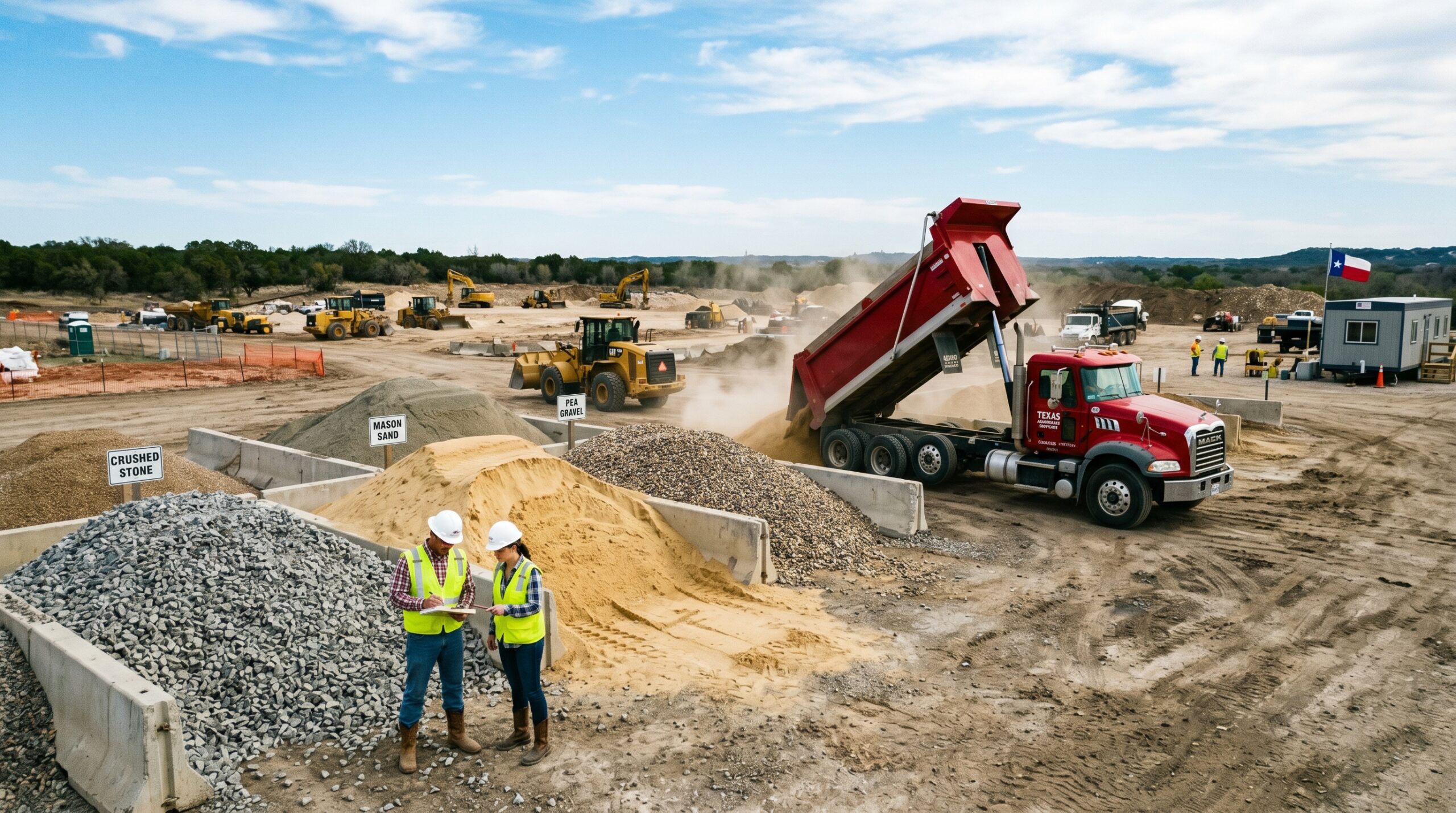
Different aggregates serve different purposes:
- Road base materials provide stability for highways and access roads
- Crushed stone offers strength for structural applications
- Gravel supports drainage and surface layers
- Sand is used for leveling and finishing work
For example, a commercial development in Houston may prioritize drainage due to heavy rainfall, while a project in West Texas might focus more on compaction and dust control.
The Federal Highway Administration emphasizes the importance of proper material selection in ensuring long-term infrastructure performance. This highlights why careful planning is essential when sourcing aggregates.
By aligning material choice with project needs, contractors can maximize performance and minimize future issues.
Final Thoughts
Successfully buying bulk aggregates in Texas requires a combination of technical knowledge, strategic sourcing, and careful planning. From evaluating material quality to considering hauling distance and supplier reliability, every factor plays a role in project success.
As construction activity continues to grow across Texas, from urban expansion in Dallas–Fort Worth to infrastructure development in Austin and Houston, contractors who make informed purchasing decisions gain a clear advantage.
Access to reliable suppliers, transparent pricing, and efficient logistics can significantly improve project timelines and budgets. If you’re preparing for a project, take the time to evaluate your options carefully.
You can search listings near you to find available materials quickly. And if you have excess aggregates or materials from a job site, you can also list your material to connect with contractors across Texas.
FAQs
What should I check before buying bulk aggregates in Texas?
You should evaluate material quality, grading, supplier reliability, and delivery distance before making a purchase.
How do I choose the right aggregate supplier?
Look for suppliers with consistent availability, good location proximity, and clear material specifications.
Does hauling distance affect aggregate cost?
Yes, transportation costs often make up a large portion of the total price, especially for long distances.
What type of aggregate is best for construction projects?
It depends on the project, crushed stone for strength, gravel for drainage, and sand for leveling.