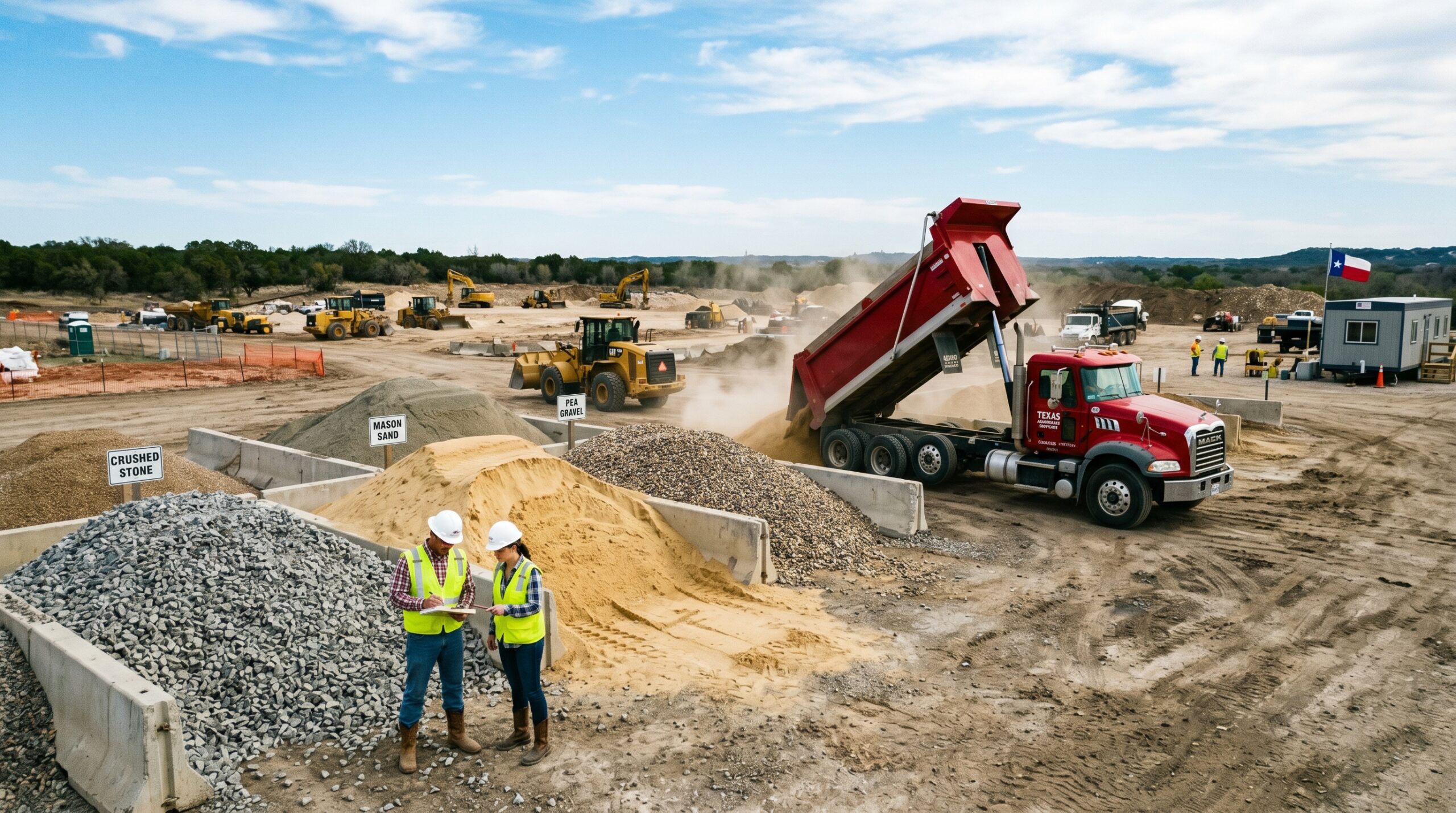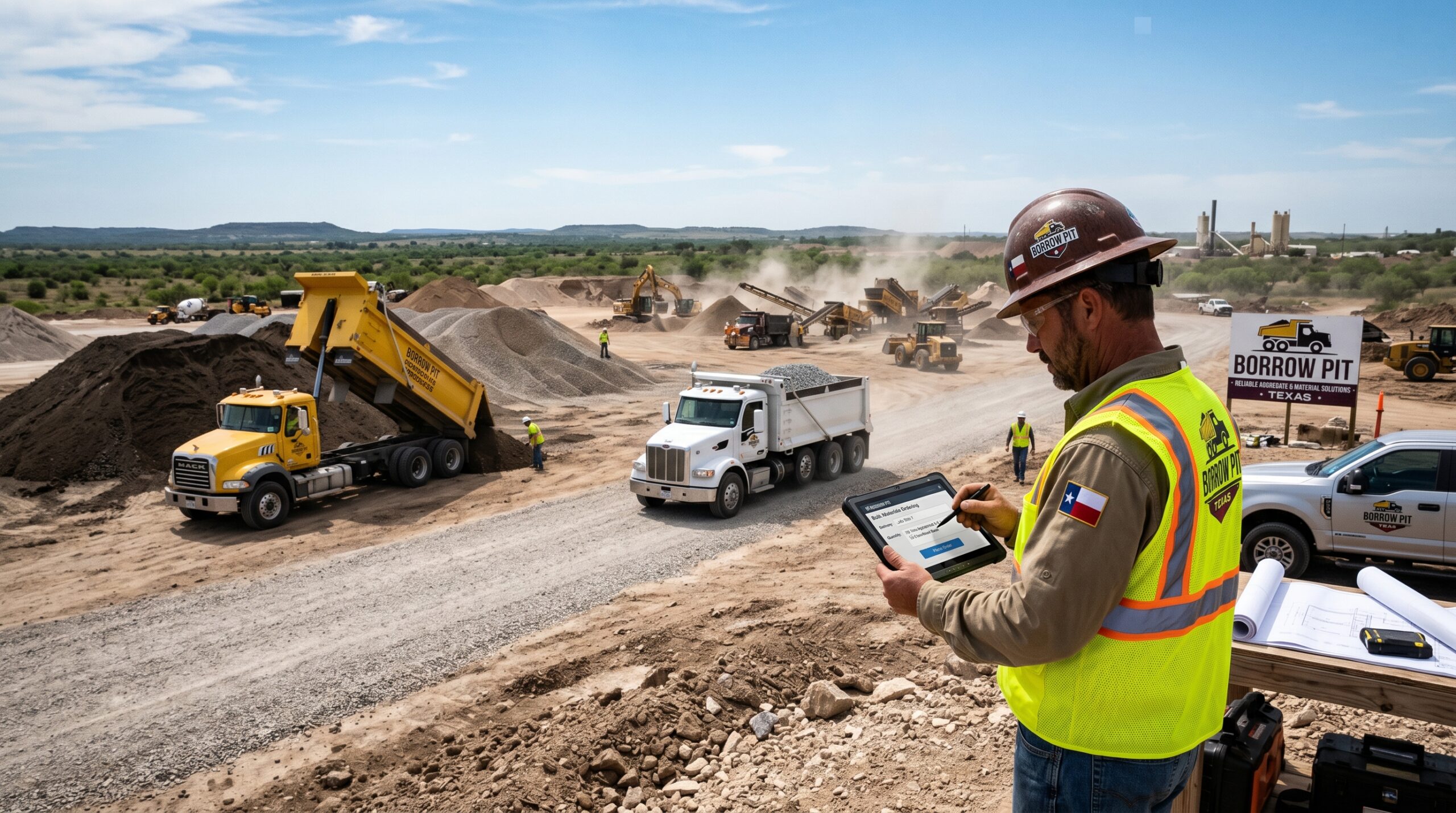
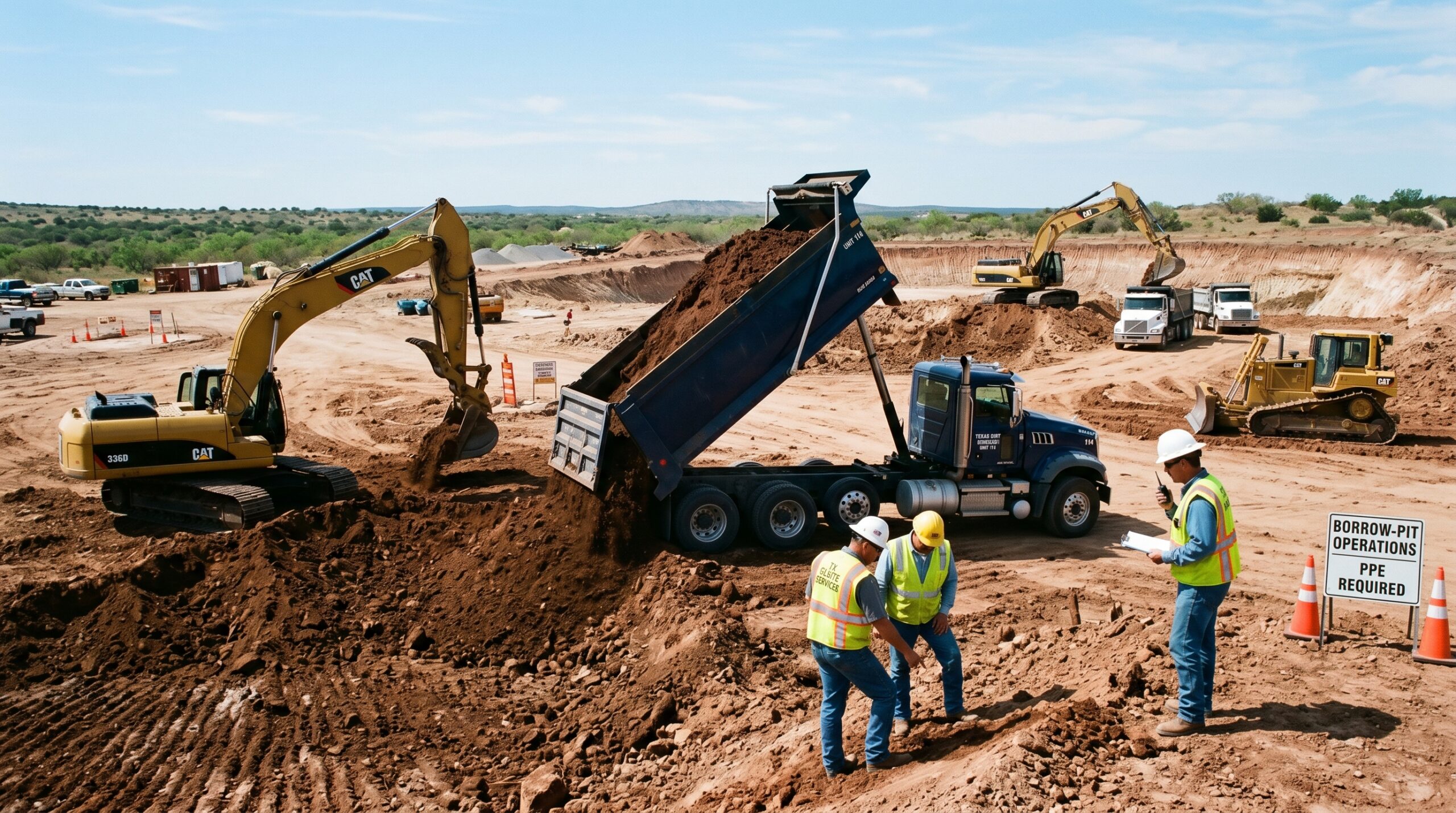
When it comes to purchasing bulk dirt in Texas, even experienced contractors can run into costly mistakes. Dirt might seem like a simple material, but in large-scale construction projects across Dallas–Fort Worth, Houston, San Antonio, and Austin, it plays a critical role in grading, foundation stability, and site preparation.
From subdivision developments along SH 130 to commercial builds near Houston’s I-10 corridor, bulk dirt is often ordered in massive quantities. A small oversight, like choosing the wrong soil type or underestimating hauling distance, can quickly turn into delays, added costs, or rework.
Understanding the most common mistakes in purchasing bulk dirt in Texas helps contractors avoid setbacks and keep projects running efficiently from the start.
Overlooking Soil Quality and Material Type
One of the biggest mistakes contractors make when purchasing bulk dirt in Texas is assuming all dirt is the same. In reality, soil composition varies widely and directly impacts performance.
Fill dirt, select fill, and topsoil all serve different purposes. Using the wrong type can lead to compaction issues, poor drainage, or unstable foundations. For example, clay-heavy soil may compact well but can expand and contract with moisture changes, something that’s especially important in North Texas.
Why Material Testing and Verification Matters
Before placing a bulk order, it’s essential to verify the soil’s composition and suitability for your project. This includes checking for debris, organic material, and moisture content.
According to the Natural Resources Conservation Service, soil characteristics such as texture and structure play a major role in construction performance. Ignoring these factors during purchasing bulk dirt in Texas can result in long-term structural issues.
Taking time to confirm material quality upfront helps prevent costly corrections later.
Ignoring Hauling Distance and Delivery Logistics
Another common mistake in purchasing bulk dirt in Texas is focusing only on the price per load without considering transportation costs. In a state as large as Texas, hauling distance can significantly impact the total cost.
A supplier offering cheaper dirt may not be the best option if they are located far from your job site. Fuel costs, driver time, and truck availability all add up quickly.
The Impact of Transportation on Project Costs
The U.S. Energy Information Administration highlights how diesel prices directly influence transportation rates. This means even small increases in hauling distance can lead to noticeable cost differences.
For projects along major routes like I-35, US-75, or Loop 1604 in San Antonio, sourcing material closer to the site often results in better overall value, even if the base price is slightly higher.
Contractors can simplify sourcing by using platforms like Borrow-Pit to compare nearby suppliers and reduce hauling distances. You can explore available options through the dirt listings, learn more about sourcing through the About page, or coordinate deliveries via the Contact page.
Underestimating Quantity Requirements
Ordering the wrong amount of dirt is another frequent issue when purchasing bulk dirt in Texas. Underestimating volume can delay projects, while overordering leads to unnecessary costs and potential disposal challenges.
Large-scale developments, such as residential communities in Frisco or infrastructure projects in Austin, often require thousands of cubic yards of material. Accurate calculations are essential to avoid disruptions.
How to Estimate Dirt Quantities Correctly
Volume estimates should be based on:
- Site grading plans
- Elevation changes
- Compaction requirements
- Soil shrinkage or expansion factors
Failing to account for these variables can result in multiple reorders, increasing both cost and scheduling complexity.
A well-planned estimate ensures that purchasing bulk dirt in Texas aligns with project needs and prevents avoidable delays.
Not Verifying Supplier Reliability
Choosing the wrong supplier is another mistake that can create serious problems. Reliable delivery is just as important as material quality when purchasing bulk dirt in Texas.
Missed delivery windows, inconsistent load sizes, or poor communication can disrupt workflow and leave crews waiting on-site.
What to Look for in a Dirt Supplier
A dependable supplier should offer:
- Consistent material quality
- Clear communication and scheduling
- Reliable delivery timelines
- Accurate load measurements
Working with multiple suppliers when possible can also provide flexibility, especially for large projects with changing material demands.
By carefully selecting suppliers, contractors can avoid unnecessary risks and ensure smoother project execution.
Skipping Site Preparation Planning
Even high-quality dirt won’t perform well if the site isn’t properly prepared. Overlooking preparation is a critical mistake when purchasing bulk dirt in Texas.
Grading, compaction, and moisture control all play a role in how the material performs once delivered. Without proper preparation, issues like uneven surfaces or poor drainage can arise.
Why Preparation Impacts Performance
Before delivery, contractors should ensure:
- The site is cleared and graded
- Equipment is ready for spreading and compaction
- Moisture levels are managed for optimal compaction
The Federal Highway Administration emphasizes the importance of proper site preparation in achieving long-term stability. This reinforces why planning is essential before ordering material.
When preparation is done correctly, purchasing bulk dirt in Texas becomes far more effective and efficient.
Final Thoughts
Avoiding mistakes in purchasing bulk dirt in Texas comes down to careful planning, informed decision-making, and attention to detail. From selecting the right soil type to managing logistics and verifying suppliers, every step plays a role in project success.
As construction continues to grow across Texas, from expanding suburbs in Dallas–Fort Worth to major infrastructure projects in Houston and San Antonio, efficient material sourcing becomes even more important.
Contractors who take the time to evaluate their options and avoid common pitfalls can reduce costs, improve timelines, and achieve better results overall.
If you’re preparing for a project, you can search listings near you to find available material quickly. And if you have excess dirt from excavation or grading, you can also list your material to connect with contractors across Texas.
FAQs
What is the biggest mistake when purchasing bulk dirt in Texas?
One of the biggest mistakes is choosing the wrong type of dirt without considering soil composition and project requirements.
How does hauling distance affect dirt costs?
Longer distances increase fuel and transportation costs, making nearby suppliers more cost-effective.
How do I ensure the quality of bulk dirt?
Verify soil composition, check for debris, and confirm specifications before placing an order.
Why is accurate volume estimation important?
Incorrect estimates can lead to delays, additional costs, or excess material that goes to waste.