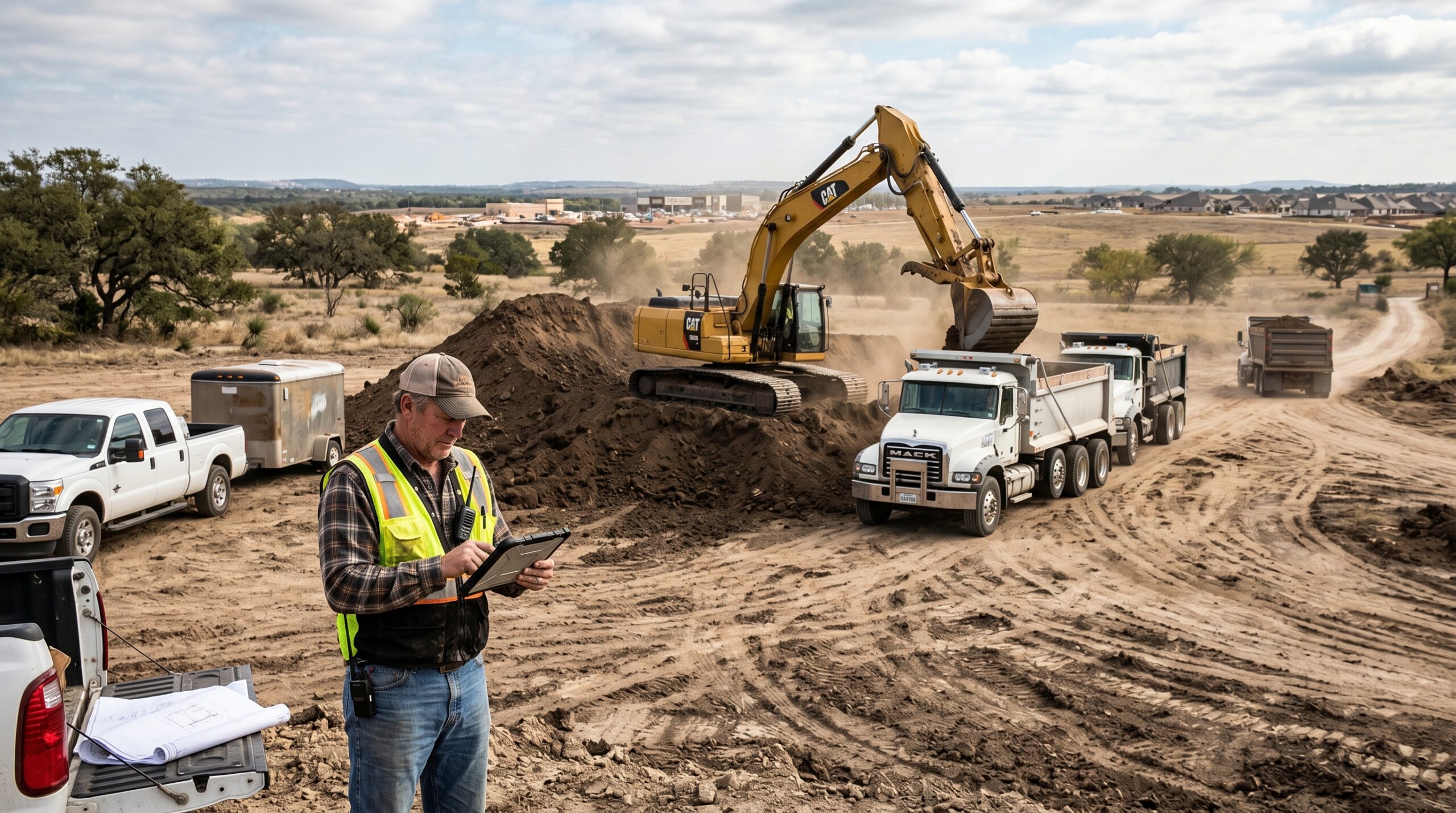
Coordinating bulk material delivery in Texas isn’t just about placing an order and waiting for trucks to arrive. If your job site isn’t properly prepared, even the most reliable delivery schedule can turn into delays, added costs, and operational headaches. Across fast-growing regions like Dallas–Fort Worth, Houston, San Antonio, and Austin, contractors know that preparation is what separates efficient projects from chaotic ones.
Whether you’re expecting fill dirt, aggregates, or sand, getting ready for bulk material delivery in Texas requires planning access points, staging areas, and coordination with suppliers. A well-prepared site ensures faster unloading, better safety, and minimal disruption to your construction workflow.
Why Job Site Preparation Matters More Than You Think
Many contractors underestimate how much preparation impacts bulk material delivery in Texas. It’s not just about having space, it’s about having the right space, at the right time, with the right conditions.
Avoiding Delays and Extra Costs
Unprepared sites often lead to trucks waiting longer than expected, failed delivery attempts, or even rescheduling. In cities like Houston or Austin, where traffic and scheduling windows are already tight, this can quickly snowball into higher hauling costs.
According to the Department of Transportation, delays in material delivery and site logistics are among the top contributors to inefficiencies in construction projects. That means every missed delivery window or poorly planned unloading area directly affects your bottom line.
Preparing early for bulk material delivery in Texas helps eliminate these risks and keeps your project timeline intact.
Access and Entry Planning for Delivery Trucks
Before scheduling bulk material delivery in Texas, one of the first things to evaluate is whether trucks can safely and efficiently enter your site.
Truck Access, Turning Radius, and Ground Conditions
Bulk delivery trucks, especially dump trucks hauling aggregates or dirt, require significant space to maneuver. Narrow entrances, tight turns, or unstable ground can prevent trucks from entering altogether.
Make sure your site accounts for:
- Wide entry points for large trucks
- Adequate turning radius for safe navigation
- Compacted ground to support heavy loads
- Clear pathways free of debris or obstructions
In areas like North Texas, where clay-heavy soils can become unstable after rain, failing to prepare access routes can delay bulk material delivery in Texas entirely.
Weather Considerations Across Texas Regions
Texas weather varies dramatically. A dry site in San Antonio can quickly turn muddy after a storm, while North Texas sites may deal with sudden freezes or heavy rain.
Monitoring forecasts and preparing accordingly is essential for smooth bulk material delivery in Texas. Laying temporary road base or stabilizing entry points can make a big difference.
Designating Proper Unloading and Staging Areas
Once trucks can access your site, the next step is ensuring there’s a clear plan for unloading.
Choosing the Right Drop Location
A common mistake in bulk material delivery in Texas is failing to designate a proper unloading zone. Without a clear plan, materials may be dumped in inconvenient locations, leading to extra labor and equipment use.
Your unloading area should:
- Be close to where materials will be used
- Allow trucks to dump without repositioning multiple times
- Remain accessible throughout the project
This is especially important for large-scale developments along highways like I-35 or I-10, where multiple deliveries may occur daily.
Material Separation and Site Organization
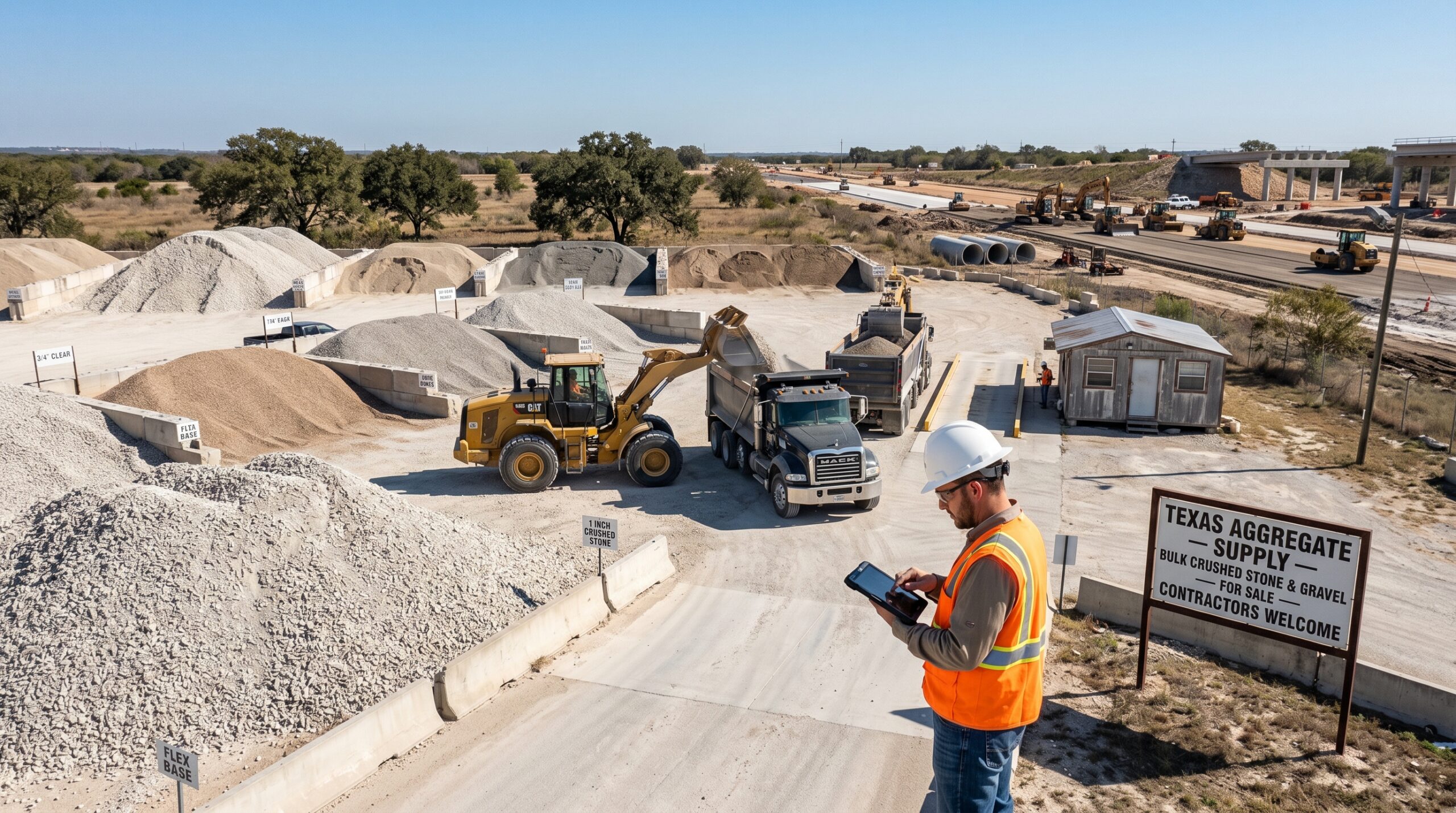
If your project involves multiple materials, like gravel, sand, and fill dirt, keeping them organized is key. Mixing materials can create quality issues and additional work.
Planning ahead for bulk material delivery in Texas ensures each material has its own designated space, improving efficiency across the site.
Coordinating Delivery Schedules with Project Workflow
Timing is everything when it comes to bulk material delivery in Texas. Even a well-prepared site can face issues if deliveries aren’t aligned with construction phases.
Phased Deliveries for Large Projects
For larger developments, it’s rarely practical to receive all materials at once. Instead, contractors schedule deliveries in phases based on project needs.
Benefits of phased bulk material delivery in Texas include:
- Reduced site congestion
- Better inventory control
- Improved equipment utilization
- Lower risk of material waste
This approach is common in high-growth areas like Frisco, Katy, and Round Rock, where large developments require continuous but controlled material flow.
Communication with Suppliers and Drivers
Clear communication is critical. Make sure suppliers understand:
- Site access instructions
- Delivery windows
- Contact personnel on-site
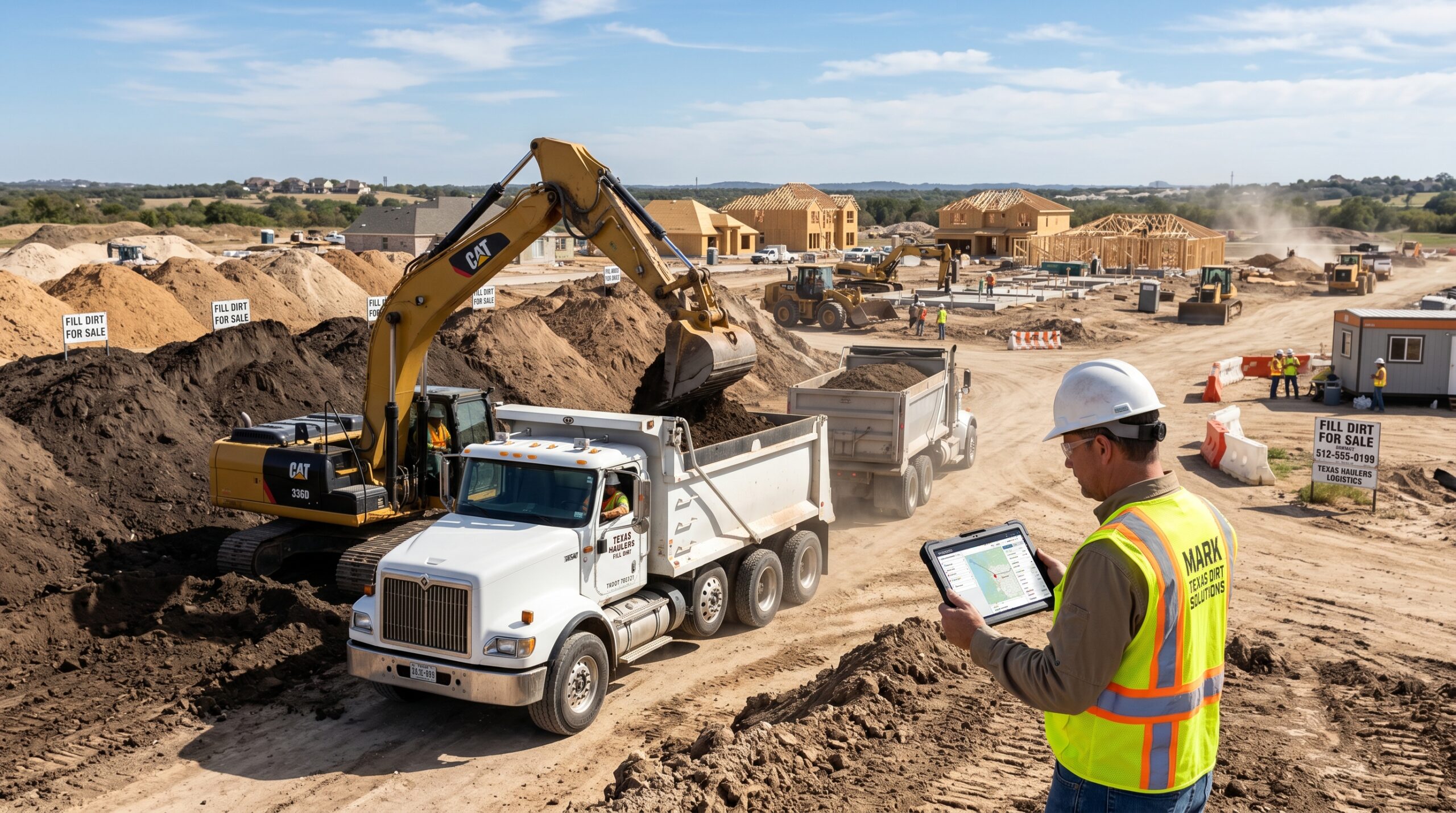
Using platforms like Borrow-Pit makes this process easier by allowing contractors to coordinate sourcing and delivery in one place. You can explore available materials through the dirt listings category, learn more about the platform on the About page, or arrange logistics via the Contact page.
Safety and Compliance for Material Delivery
Safety should never be an afterthought when planning bulk material delivery in Texas. With heavy trucks, moving equipment, and active crews, risks increase during delivery periods.
Maintaining a Safe Work Environment
To ensure safe bulk material delivery in Texas, contractors should:
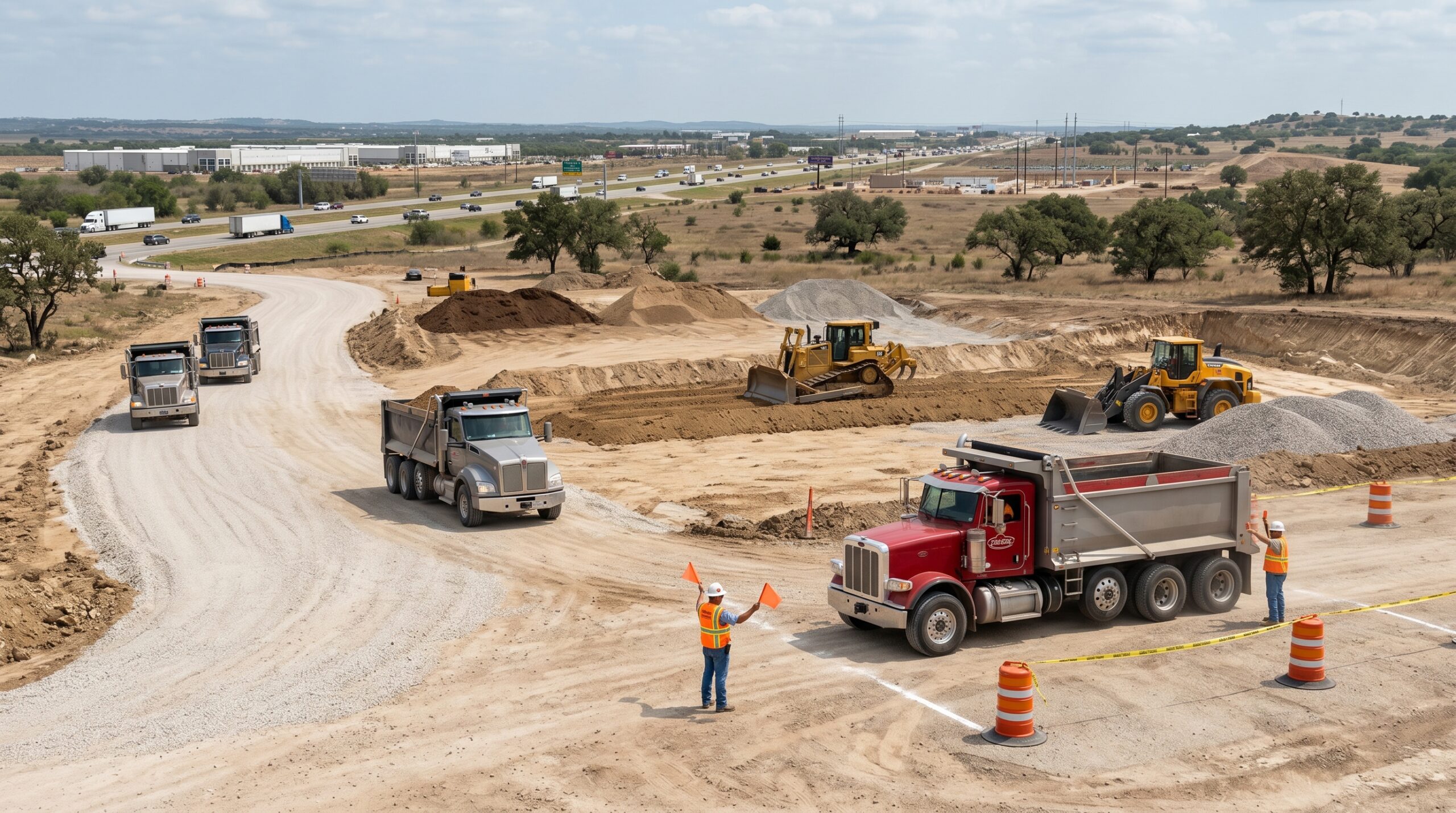
- Clearly mark delivery zones
- Keep workers clear of unloading areas
- Use spotters when guiding trucks
- Ensure proper signage and communication
These steps reduce the risk of accidents and keep operations running smoothly.
Meeting Local and State Requirements
Depending on your location, there may be regulations regarding truck routes, weight limits, and site access. Staying compliant helps avoid fines and project delays.
For example, the Texas Department of Transportation provides guidelines on truck operations and roadway usage that can impact delivery planning.
Final Thoughts
Preparing your site for bulk material delivery in Texas is a crucial step that directly impacts project efficiency, cost, and safety. From ensuring proper access and staging areas to coordinating schedules and maintaining safety standards, every detail matters.
Across Texas, whether you’re working near Dallas highways, Houston commercial zones, or expanding suburbs in Austin, contractors who plan ahead consistently outperform those who don’t. Efficient bulk material delivery in Texas isn’t just about logistics; it’s about creating a system that supports your entire project.
If you’re getting ready for delivery, take the time to search listings near you and secure the right materials in advance. And if you have excess materials from excavation or grading, you can also list your material to connect with contractors actively sourcing across Texas.
FAQs
What should I prepare before bulk material delivery in Texas?
Ensure proper site access, stable ground conditions, designated unloading areas, and clear communication with suppliers.
How do I prevent delays in material delivery?
Prepare the site in advance, coordinate schedules carefully, and monitor weather conditions that could impact access.
What materials require special preparation for delivery?
Loose materials like sand and gravel need stable unloading zones, while large volumes of fill dirt require proper staging and compaction planning.
How can I manage multiple deliveries efficiently?
Use phased scheduling and organize staging areas to prevent congestion and maintain workflow.
Where can I find bulk materials for delivery in Texas?
The most efficient way is through Borrow-Pit, where contractors can find local suppliers and coordinate delivery based on project needs.