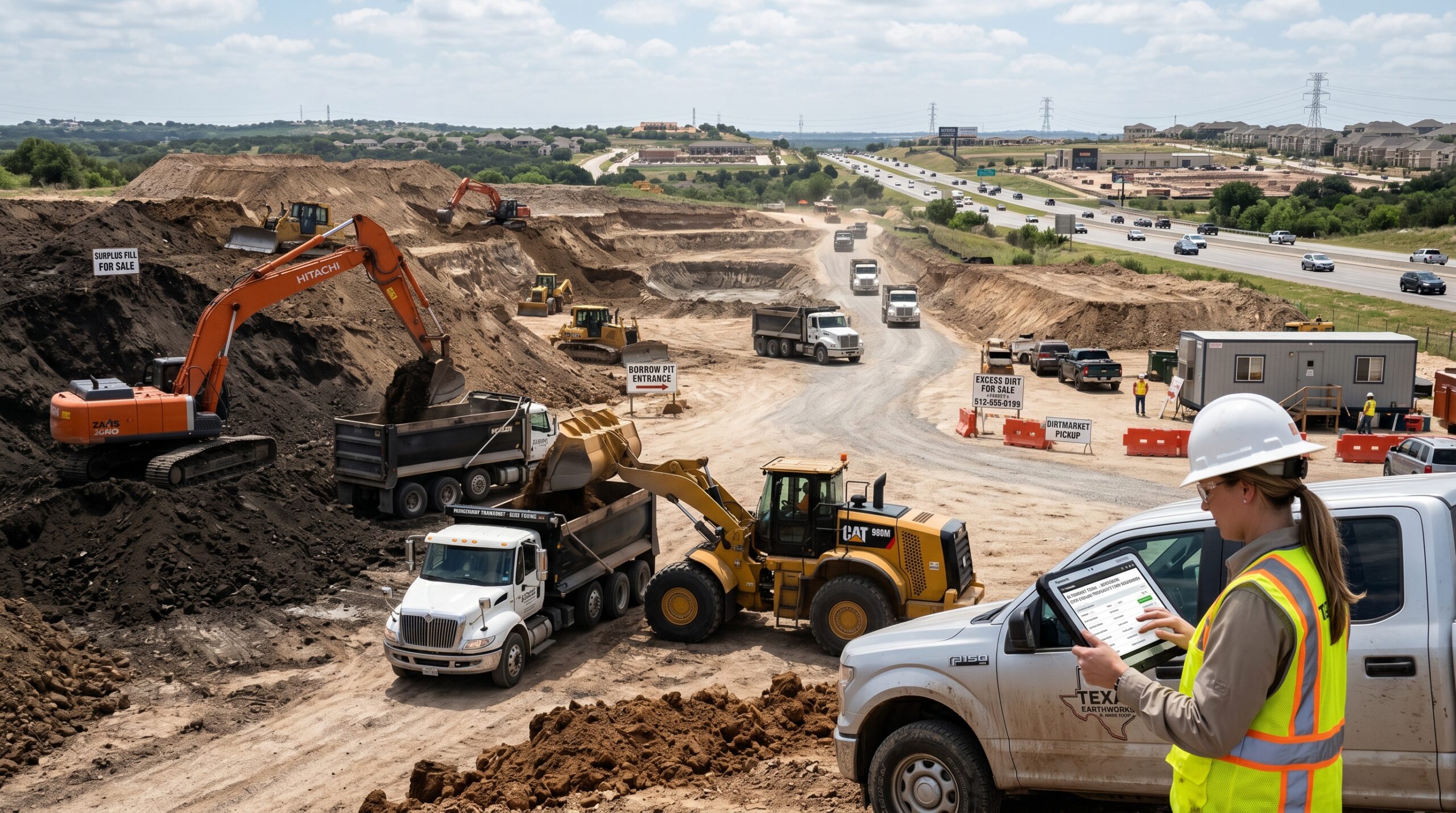
Across Texas, contractors are rethinking how they procure materials, and one trend is becoming impossible to ignore: local material sourcing. From large-scale developments in Dallas–Fort Worth to infrastructure work along Houston’s I-10 corridor and residential expansion in Austin and San Antonio, sourcing materials close to the job site is quickly becoming the preferred strategy.
The shift isn’t just about convenience. It’s about cost control, efficiency, and staying competitive in a fast-moving construction market. As projects scale up and timelines tighten, relying on distant suppliers is starting to feel outdated. Instead, contractors are prioritizing local material sourcing to streamline logistics and reduce unnecessary expenses.
Why Contractors Are Prioritizing Local Material Sourcing in Texas
The growing demand for faster project delivery and tighter budgets has pushed contractors to rethink traditional supply chains. This is where local material sourcing steps in as a practical solution.
Reduced Hauling Distance Means Lower Costs
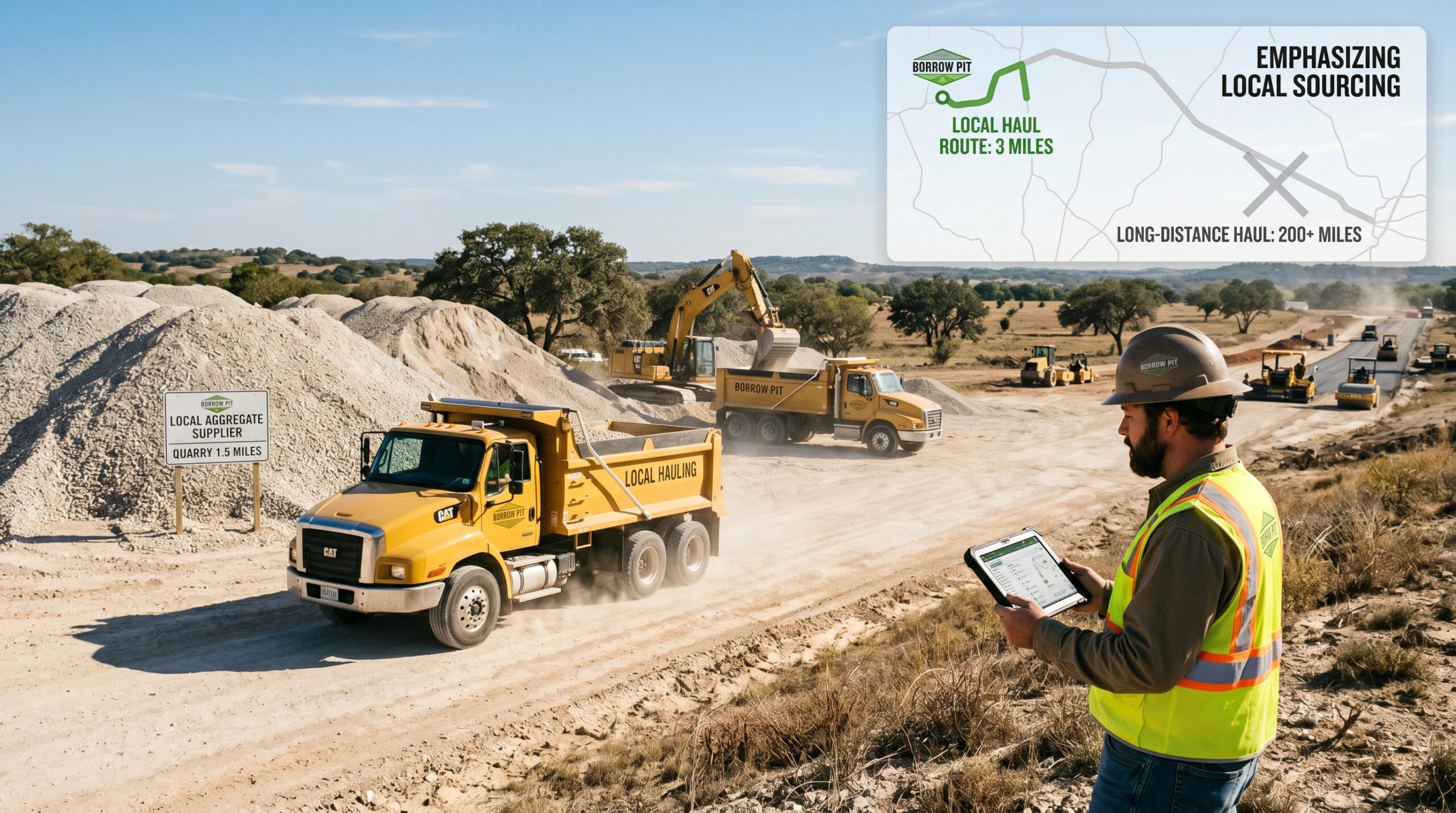
Transportation is one of the biggest hidden costs in construction. The farther materials travel, the more you pay in fuel, labor, and equipment wear. By focusing on local material sourcing, contractors can significantly cut down on hauling distance.
For example, sourcing aggregates within the Dallas–Fort Worth metroplex instead of hauling from outside North Texas can save thousands of dollars across a multi-phase project. The same applies to projects along Houston’s Beltway 8 or near Austin’s SH 130, where proximity directly impacts cost efficiency.
According to the U.S. Energy Information Administration, fuel price fluctuations continue to influence transportation costs nationwide. This makes local material sourcing an even more valuable strategy for managing unpredictable expenses.
Faster Delivery Keeps Projects Moving
Time is money on any construction site. Delays in material delivery can disrupt schedules, increase labor costs, and create bottlenecks across multiple phases of work.
With local material sourcing, delivery times are shorter and more predictable. Contractors can schedule more frequent loads, reduce downtime, and keep crews working efficiently. In fast-growing areas like Frisco, Katy, and Round Rock, this advantage is critical for staying on schedule.
Local vs Long-Distance Sourcing: What Actually Works Better?
While long-distance sourcing still has its place, especially for specialized materials, most contractors are finding that local options deliver better overall value.
Comparing Cost and Efficiency
At first glance, a distant supplier may offer slightly lower material prices. But once transportation is factored in, the total cost often exceeds that of a nearby supplier.
This is why local material sourcing is gaining traction, it provides a more accurate picture of real project costs. Contractors are no longer just comparing price per ton; they’re evaluating delivered cost, reliability, and turnaround time.
Improved Supply Chain Reliability
Local suppliers are often more flexible and responsive. If a project suddenly requires additional material, it’s much easier to coordinate with a nearby source than to arrange long-distance hauling on short notice.
The Texas Department of Transportation highlights the importance of efficient logistics and infrastructure in supporting construction growth across the state. Reliable access to nearby materials plays a key role in that ecosystem.
The Role of Digital Platforms in Local Sourcing
Technology is making local material sourcing even more accessible. Instead of relying on word-of-mouth or limited supplier networks, contractors can now explore multiple options in one place.
Platforms like Borrow-Pit allow users to connect with local suppliers, compare availability, and coordinate deliveries more efficiently. You can learn more about how it works on the About page or reach out directly through the Contact page.
This kind of visibility is transforming how contractors approach local material sourcing, especially in competitive markets where speed and cost control matter most. It also opens up opportunities to find materials that might otherwise go unused, improving overall supply chain efficiency.
Sustainability and Environmental Benefits of Local Sourcing
Beyond cost and efficiency, local material sourcing also supports more sustainable construction practices.
Lower Emissions and Reduced Environmental Impact
Shorter hauling distances mean fewer truck miles, which directly reduces fuel consumption and emissions. In a state as large as Texas, even small reductions in travel distance can have a meaningful environmental impact.
This aligns with the growing focus on sustainable construction and responsible resource management. Many contractors are now factoring environmental considerations into their sourcing decisions, making local material sourcing a smart long-term strategy.
Supporting Regional Economies
Working with local suppliers also strengthens regional economies. It keeps business within the community and supports local jobs, creating a more resilient construction ecosystem.
How to Implement a Local Sourcing Strategy on Your Project
Adopting local material sourcing doesn’t require a complete overhaul of your workflow, it starts with a few practical steps.
First, identify suppliers within a reasonable radius of your project site. Then, compare not just pricing, but delivery timelines and availability. Finally, consider using a centralized platform to manage sourcing more efficiently.
Contractors who take this approach often find that local material sourcing leads to better coordination, fewer delays, and improved cost control. It also provides flexibility when project conditions change, something every contractor knows is inevitable.
Final Thoughts
The rise of local material sourcing across Texas construction projects isn’t just a trend, it’s a response to real challenges in cost, logistics, and efficiency. As projects become more complex and timelines more demanding, sourcing materials close to the job site offers a clear advantage.
From reducing hauling costs to improving delivery speed and supporting sustainability, the benefits are hard to ignore. Whether you’re managing a development in Dallas–Fort Worth, a roadway project in Houston, or a residential build in Austin, prioritizing local material sourcing can make a measurable difference.
If you’re planning your next project, take the time to evaluate nearby suppliers. You can search listings near you to find local materials quickly or list your material if you’re looking to connect with buyers across Texas.
FAQs
What is local material sourcing in construction?
It refers to obtaining construction materials from suppliers located near the project site to reduce costs and improve efficiency.
Why is local sourcing important in Texas projects?
Due to the state’s size, shorter hauling distances significantly reduce transportation costs and delivery times.
Does local sourcing always save money?
In most cases, yes, especially when factoring in fuel, labor, and logistics costs associated with long-distance hauling.
Can local suppliers handle large projects?
Many can, and contractors often combine multiple local sources to meet high-volume demands.
How can I find local material suppliers in Texas?
Using platforms like Borrow-Pit makes it easier to locate nearby suppliers and compare available materials.