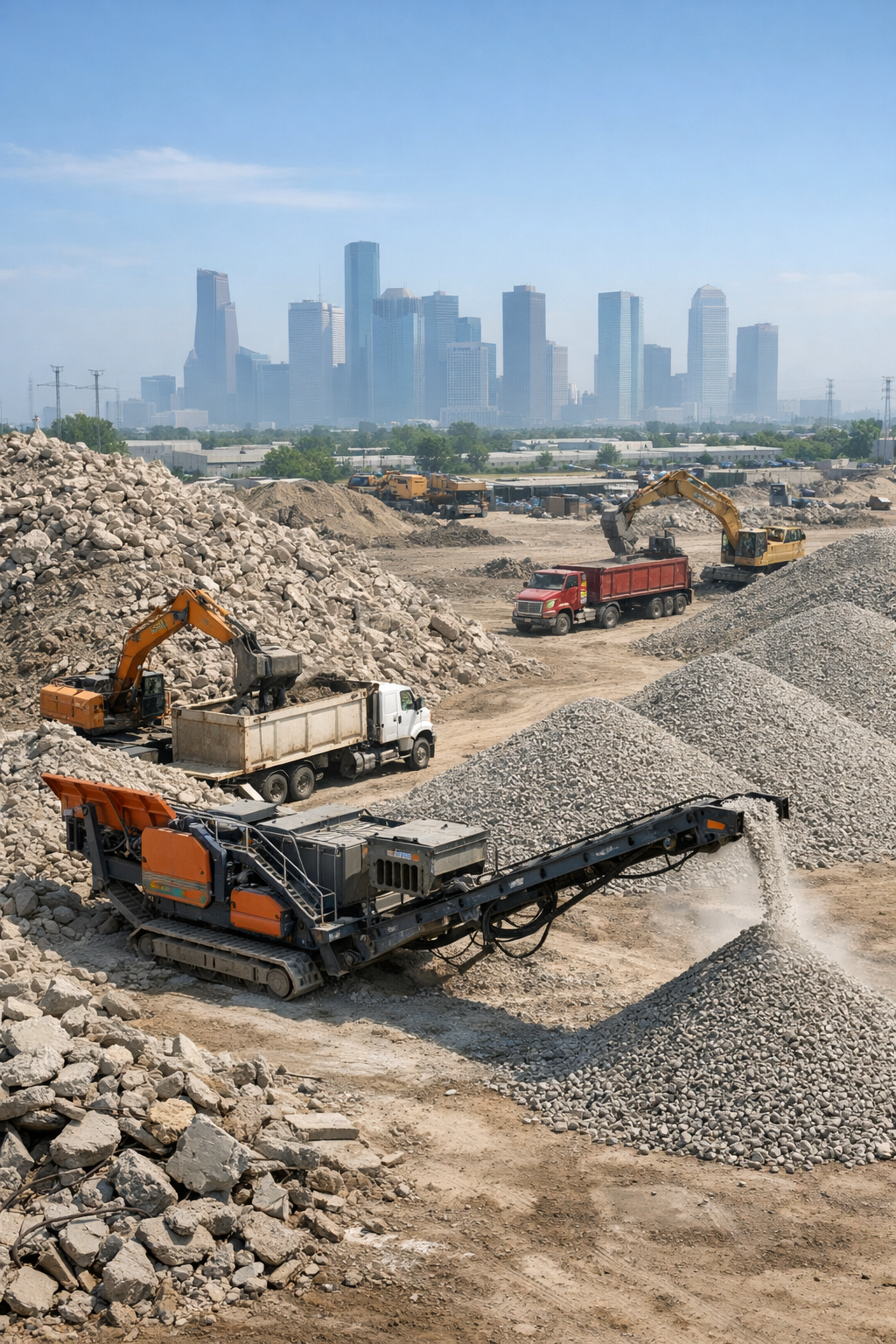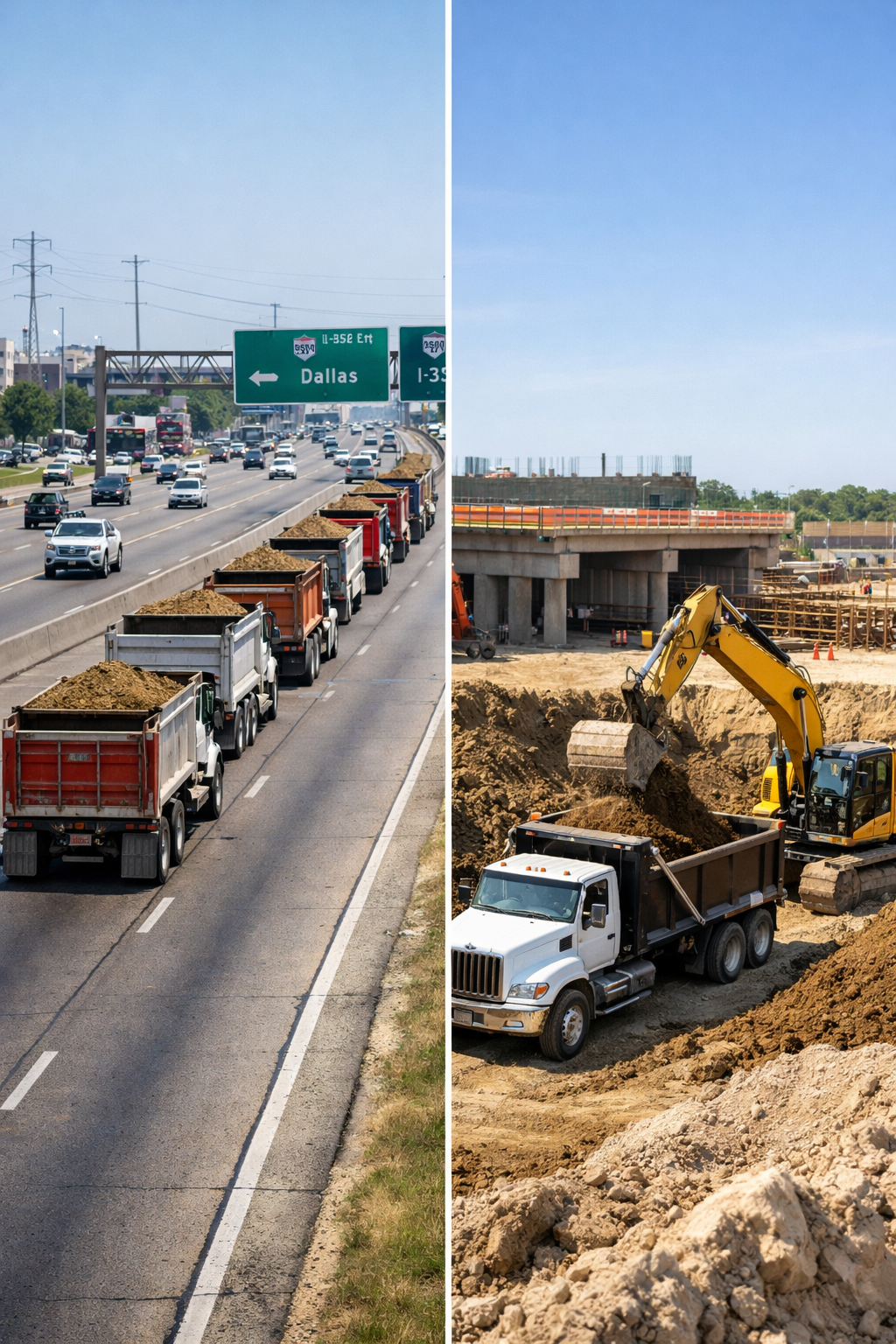
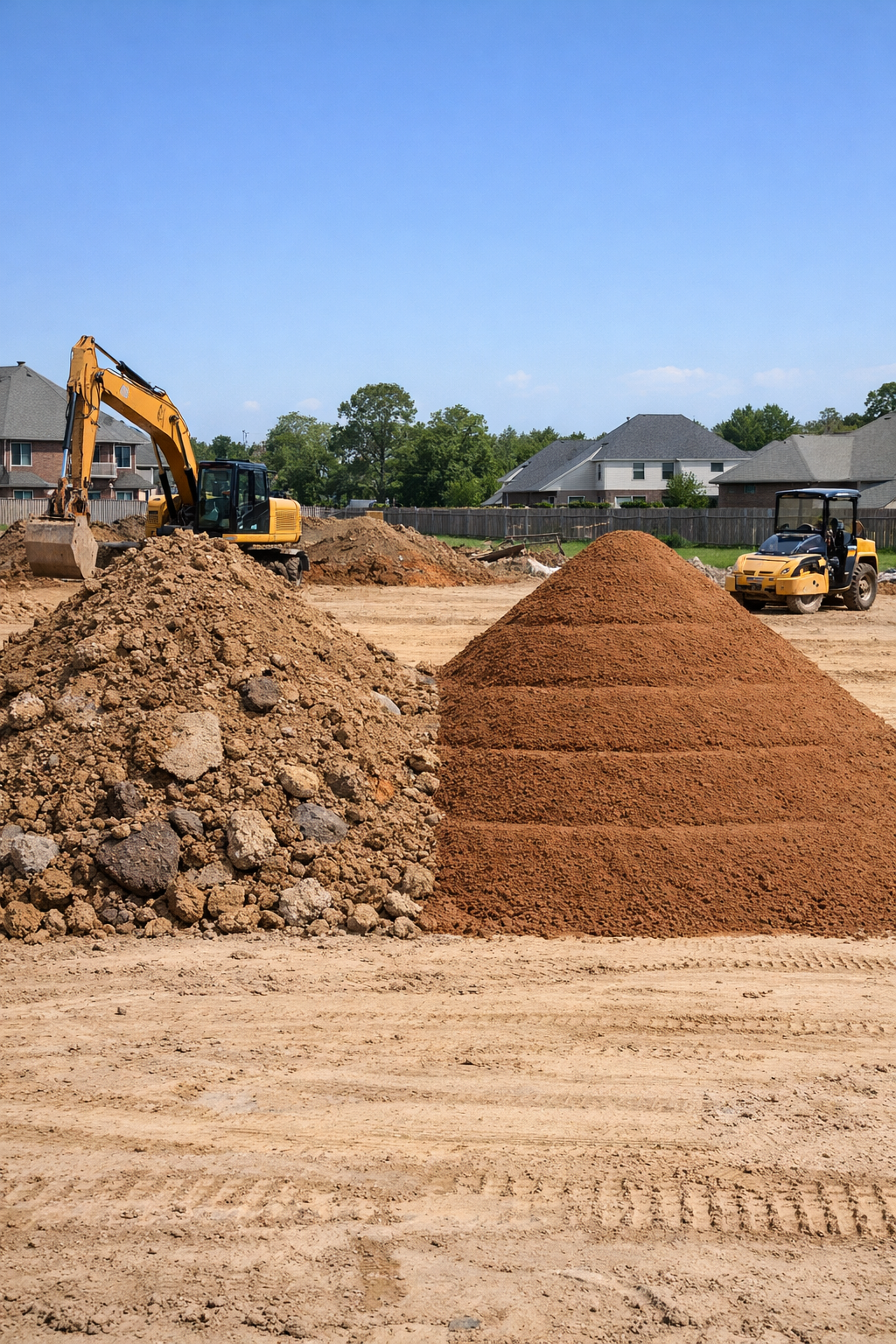
Choosing the right soil for your project can directly impact structural stability, drainage performance, and long-term maintenance costs. In Houston’s clay-heavy environment, understanding fill dirt vs select fill is especially important. Whether you’re preparing a residential building pad in Katy or managing a commercial site along Beltway 8, the material beneath your foundation matters.
Contractors and property owners often ask about the difference between fill dirt and select fill, particularly when planning grading, foundation, or roadway projects. While both materials are used for site preparation, they serve different purposes depending on compaction needs, soil composition, and project specifications.
If you’re evaluating fill dirt vs select fill in Houston, TX, this guide will help clarify which material best fits your construction goals.
Understanding the Difference Between Fill Dirt and Select Fill
The core of the fill dirt vs select fill comparison lies in quality control and consistency.
Fill dirt is typically unprocessed soil removed from one site and reused at another. It may contain clay, sand, small rocks, and organic matter. In Houston, Texas, fill dirt is commonly used for general grading and raising elevation levels. Because it’s more variable in composition, it works best in areas where precise compaction quality soil is not required.
Select fill Houston, TX material, on the other hand, is screened and tested to meet specific engineering standards. It is designed for structural applications that require consistent compaction and load-bearing capacity. Harris County select fill is often specified for building pad preparation and foundation support soil.
When comparing select fill vs regular fill dirt, the decision typically depends on structural demand rather than price alone.
When to Use Fill Dirt in Houston Projects
Fill dirt for grading projects in Houston, TX is commonly used to reshape land, improve drainage slope, or elevate property above flood-prone levels. In suburban areas like Cypress and Pearland, contractors frequently use bulk fill dirt delivery Houston services to prepare lots for residential builds.
Best Applications for Regular Fill Dirt
Fill dirt is suitable for:
- Raising low areas on a property
- Backfilling large open spaces
- Landscaping base layers
- Non-structural site preparation
Because Houston soil contains significant clay-based fill material, drainage performance and soil characteristics should always be evaluated. While fill dirt is cost-effective, it may not meet compaction standards required for foundations or heavy structures.
Before purchasing, contractors often consult the City of Houston Public Works drainage and site development guidance to ensure proper grading compliance.
If you’re planning to buy fill dirt in Houston, TX, consider whether the material will support load-bearing structures or adjust surface elevation.
When to Use Select Fill in Construction
The question of when to use select fill in construction becomes critical for projects requiring soil stabilization and structural integrity.
Select fill for building pad Houston developments is commonly specified for:
- Commercial foundations
- Warehouse slabs
- Road base layers
- Industrial yards
In fast-growing corridors like I-45 and US-59, contractors rely on select fill Houston, TX suppliers to deliver material that compacts uniformly and reduces long-term settlement risk.
Why Select Fill Offers Greater Stability
Select fill provides:
- Controlled moisture content
- Fewer organic contaminants
- Consistent particle size
- Reliable compaction performance
For projects requiring foundation support soil, engineers typically specify select fill to meet load-bearing criteria. The Texas Department of Transportation outlines material standards that influence aggregate and soil specifications across the state.
When evaluating which fill material is best for construction, select fill generally wins in structural applications, while regular fill dirt remains more economical for general grading.
Cost Considerations: Fill Dirt vs Select Fill
Budget often influences the fill dirt vs select fill decision. Regular fill dirt is typically more affordable because it requires less processing. However, if compaction fails or settlement occurs, repair costs can outweigh initial savings.
Select fill may have a higher upfront cost, but it reduces the likelihood of structural issues, especially in commercial developments.
Houston fill dirt supplier networks vary in pricing based on:
- Material type
- Volume ordered
- Delivery distance
- Testing and screening requirements
Bulk fill material delivery in Houston can help reduce per-yard costs for larger projects. Contractors sourcing construction fill material in Houston often compare quality certifications before finalizing purchases.
Local Sourcing and Project Efficiency
In a competitive market like Houston, working with a construction soil supplier that Houston contractors trust ensures timely delivery and consistent quality. Whether you need affordable select fill Houston options or general fill dirt, proximity plays a major role in cost control.
Online marketplaces simplify sourcing by connecting buyers with local material providers. Through Borrow-Pit, contractors can review aggregate listings and compare supply options across the Houston region. You can explore available materials through the Aggregates category page, learn more about the company’s mission on the About page, or coordinate directly through the Contact page.
If you’re preparing a new project, you can search listings near you to evaluate available fill options. Contractors with surplus excavation material can also list your material to connect with buyers in need of bulk soil.
Conclusion
Understanding fill dirt vs select fill is essential for making informed construction decisions in Houston. Fill dirt works well for grading, elevation, and non-structural applications, while select fill provides consistent compaction and foundation stability for commercial and industrial builds.
When deciding between fill dirt vs select fill in Houston, TX, consider the structural requirements, drainage conditions, and long-term performance goals of your project. Choosing the right material from the start prevents costly rework and ensures durable site preparation.
By sourcing locally and matching soil type to engineering needs, contractors can complete Houston projects efficiently and confidently.
Frequently Asked Questions
1. What is the difference between fill dirt and select fill?
Fill dirt is general soil used for grading, while select fill is processed and tested for consistent compaction and structural support.
2. When should I use select fill-in construction?
Select fill is recommended for foundations, building pads, and load-bearing areas.
3. Is fill dirt suitable for foundation support in Houston?
In most cases, select fill is preferred for foundation support due to compaction reliability.
4. Which fill material is best for construction projects?
The best choice depends on project requirements, but select fill is typically used for structural stability.
5. Where can I buy fill dirt in Houston, TX?
Local suppliers and online aggregate marketplaces provide bulk fill dirt and select fill delivery options throughout Houston.