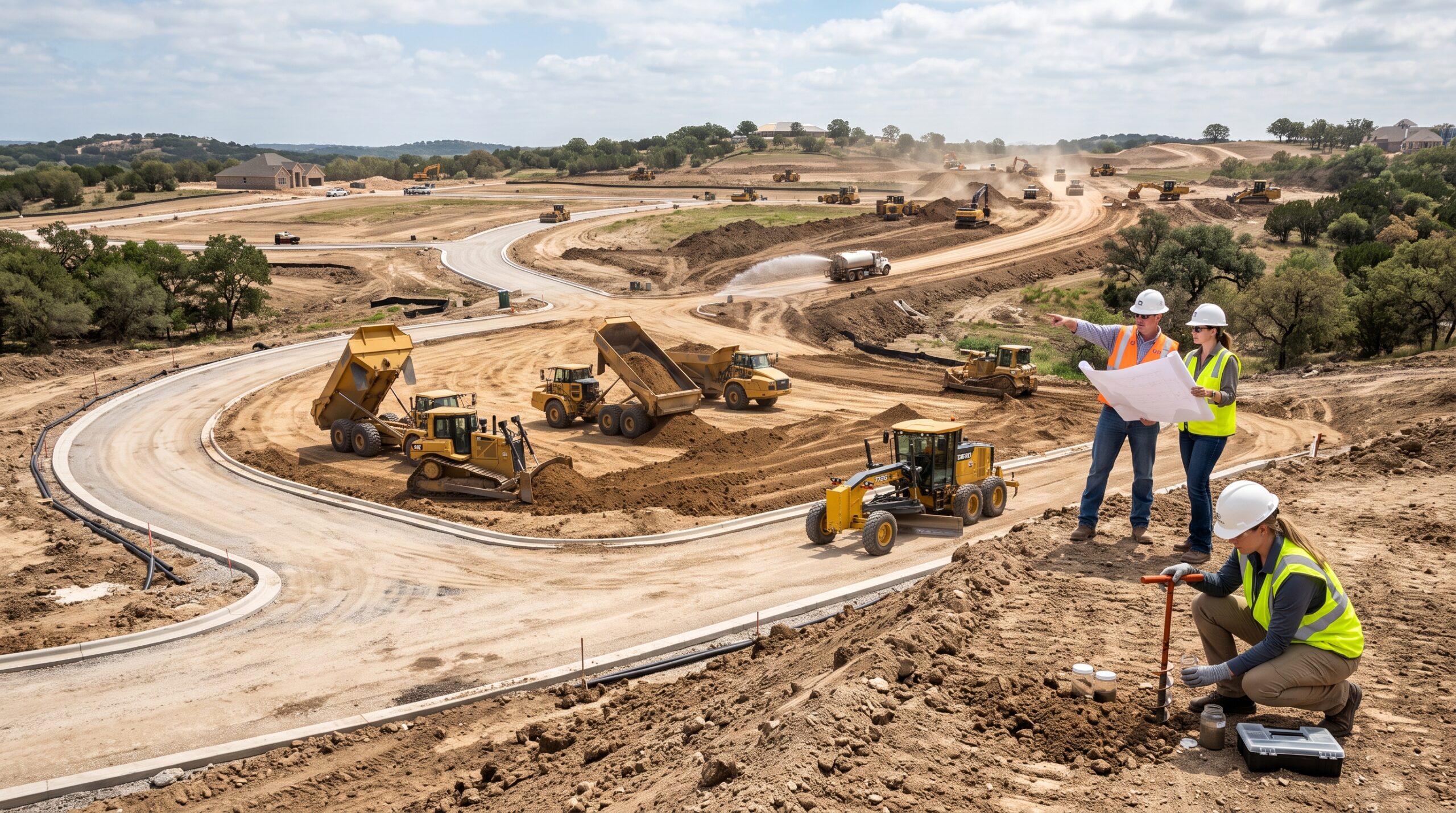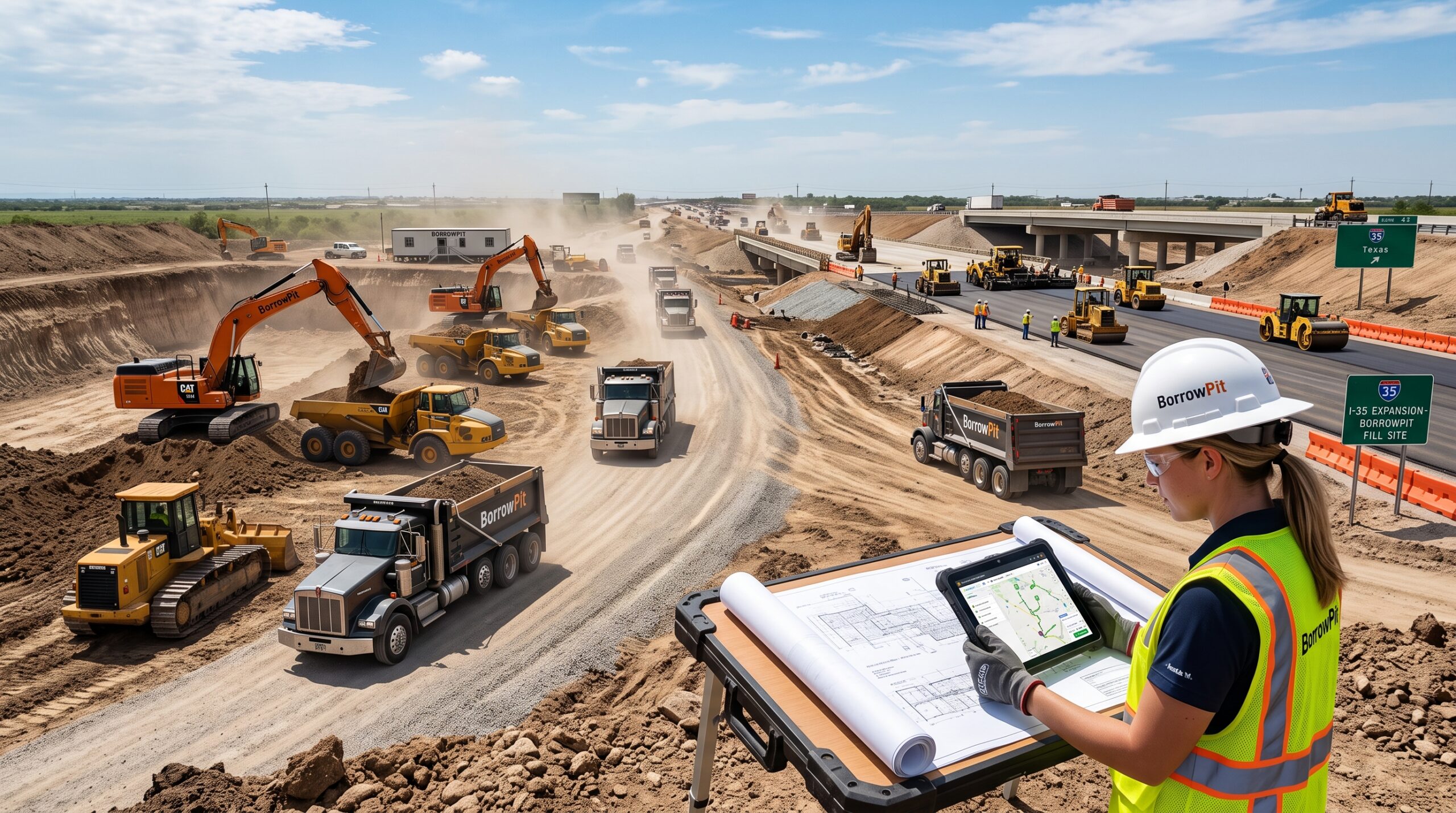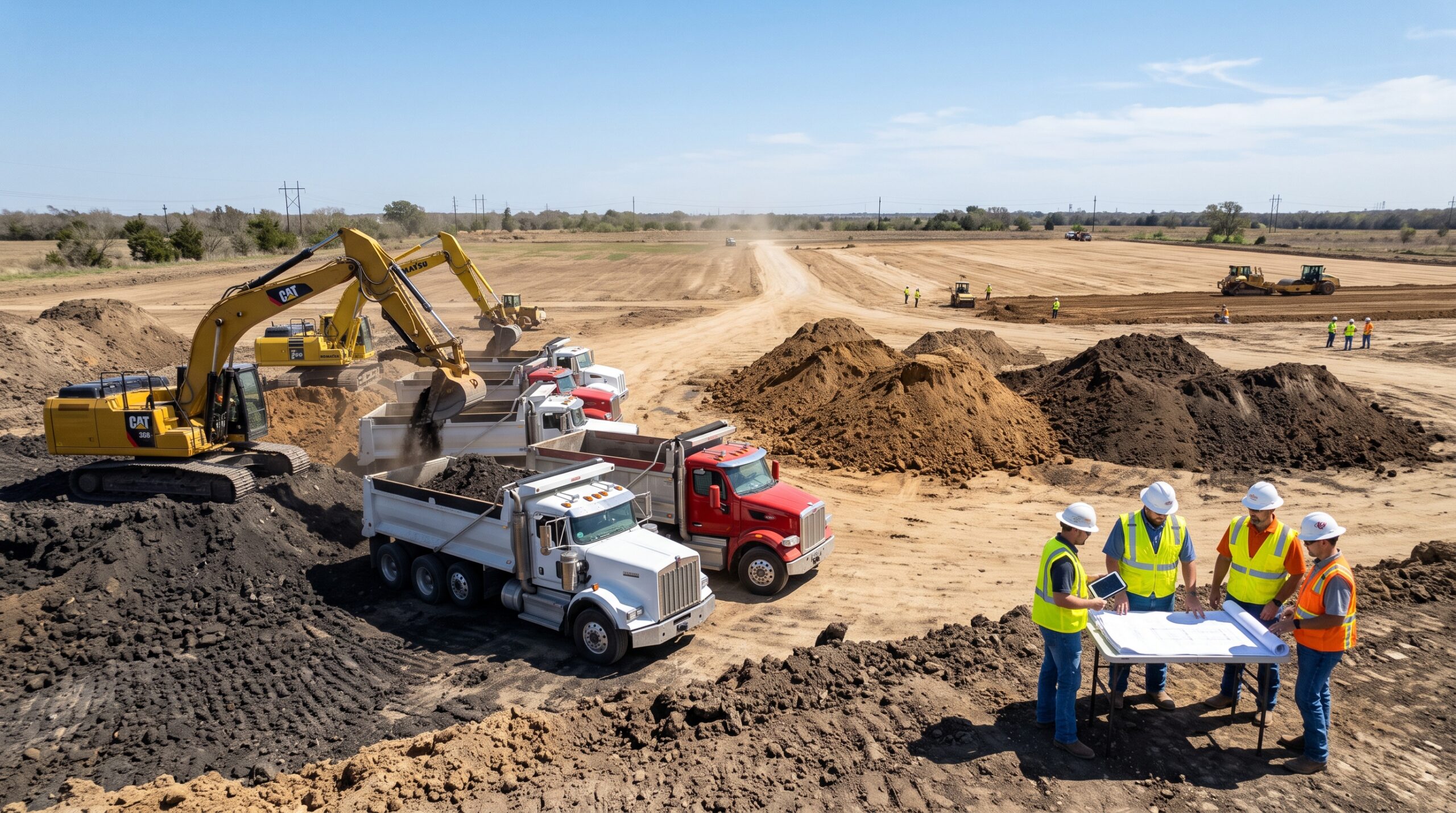
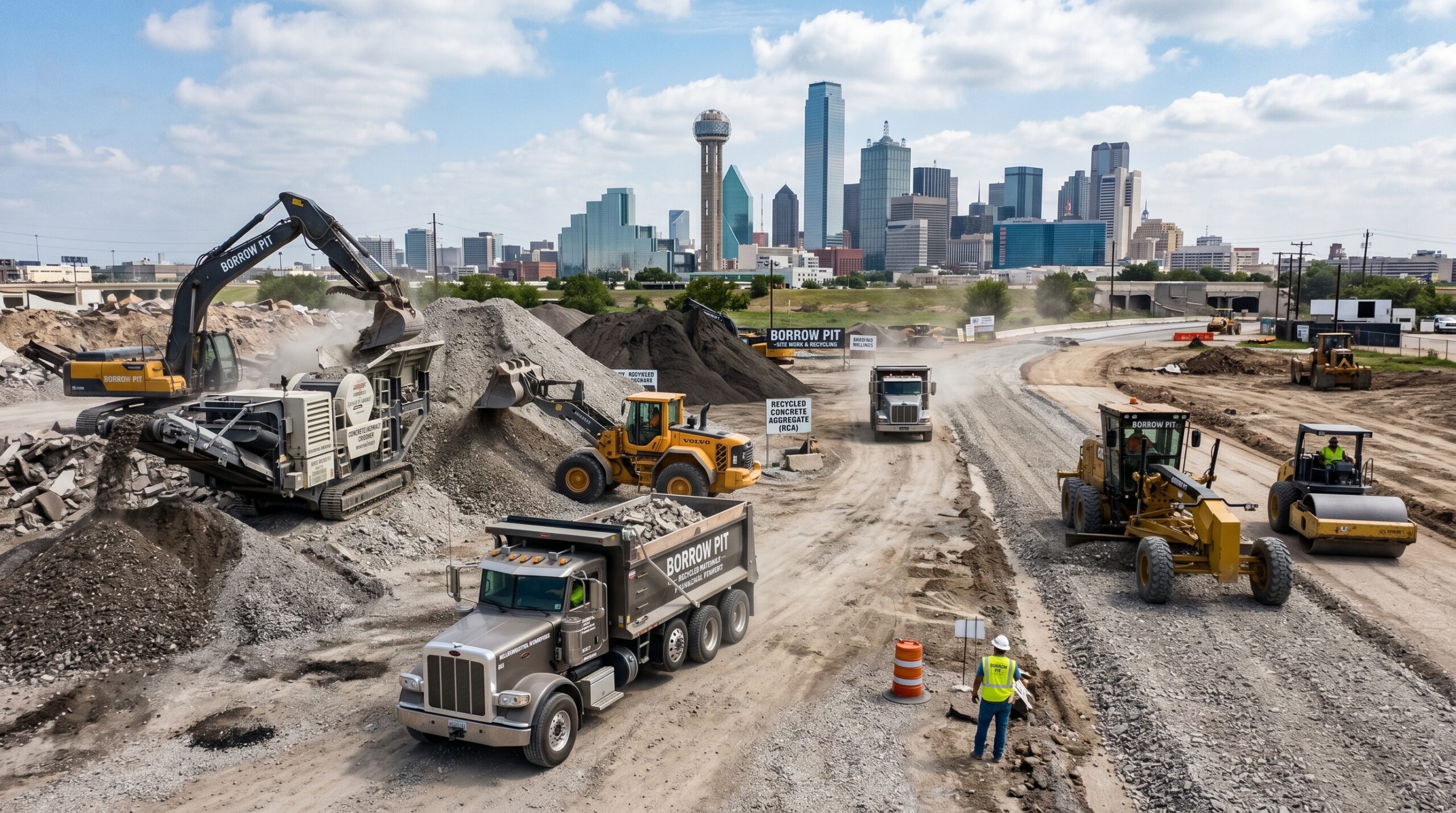
Construction across Texas is booming, from highway expansions in Dallas–Fort Worth to residential growth in Austin and commercial development in Houston. But with that growth comes a challenge: waste. That’s where reusing construction materials in Texas is making a real difference. Instead of sending usable materials to landfills, contractors are finding smarter ways to recycle and reuse resources like crushed concrete, asphalt millings, and excess fill.
The shift toward reusing construction materials in Texas isn’t just about sustainability, it’s also about efficiency, cost control, and long-term project viability. As environmental regulations tighten and material costs fluctuate, more contractors are integrating reuse strategies into their workflows.
Why Reusing Construction Materials Matters for Texas Projects
The environmental impact of construction is significant. From resource extraction to transportation and disposal, every stage adds to a project’s carbon footprint. That’s why reusing construction materials in Texas has become a practical solution for reducing that impact.
Reducing Construction Waste Across Job Sites
Every construction project generates waste, demolition debris, excess aggregates, and leftover materials. Without reuse strategies, much of this ends up in landfills. By focusing on reusing construction materials in Texas, contractors can divert large volumes of waste and extend the lifecycle of valuable resources.
For example, crushed concrete from a demolition site in Houston can be repurposed as road base for a new development nearby. This approach not only reduces landfill use but also minimizes the need for new material extraction.
According to the U.S. Environmental Protection Agency, construction and demolition debris accounts for a significant portion of total waste in the U.S. Reuse practices directly help lower that number.
Lowering Carbon Footprint Through Material Reuse
Transportation and production are major contributors to emissions. By reusing construction materials in Texas, contractors reduce the need for quarrying, processing, and long-distance hauling.
In regions like San Antonio and Austin, where development is expanding rapidly, local reuse strategies help cut down on truck traffic and fuel consumption. This makes projects more environmentally responsible while also improving logistics efficiency.
Common Recycled Materials Used in Texas Construction
Not all materials can be reused, but many commonly used construction materials are ideal for recycling and repurposing.
Crushed Concrete and Road Base Applications
Crushed concrete is one of the most widely reused materials. It’s often used as a base layer for roads, driveways, and parking lots. Its durability and compaction properties make it a reliable alternative to traditional aggregates.
Contractors working along major corridors like I-35 or Loop 1604 frequently rely on recycled concrete to meet both performance and sustainability goals. This highlights how reusing construction materials in Texas supports infrastructure development without compromising quality.
Asphalt Millings and Paving Solutions
Asphalt millings, reclaimed from old roads, are another popular option. These materials can be reused for new paving projects, offering a cost-effective and eco-friendly solution.
In fast-growing areas like Frisco and Katy, asphalt millings are often used for access roads and temporary surfaces. By incorporating these materials, contractors reduce waste while maintaining functionality.
How Reuse Supports Sustainable Construction Practices
Sustainability is no longer optional, it’s becoming a standard expectation across the construction industry. Reusing construction materials in Texas plays a central role in meeting these expectations.
Minimizing Resource Extraction
Every ton of reused material reduces the need for new extraction. This helps preserve natural resources and limits environmental disruption caused by mining and quarrying activities.
The Texas Commission on Environmental Quality encourages responsible material management practices, including recycling and reuse, to support long-term environmental goals.
Improving Project Efficiency and Cost Control
Sustainability and cost savings often go hand in hand. By reusing construction materials in Texas, contractors can lower material costs and reduce disposal expenses.
Instead of paying to haul excess materials off-site, they can repurpose them within the same project or sell them to other contractors. This creates a more efficient and circular construction process.
How Contractors Source and Reuse Materials Efficiently
The success of reuse strategies depends on access and coordination. Contractors need reliable ways to find and distribute materials.
Using Digital Marketplaces for Material Exchange
Platforms like Borrow-Pit make it easier to connect supply with demand. Contractors can list excess materials or find recycled options nearby, streamlining the entire process.
You can explore how material sourcing works on the About page or connect with suppliers through the Contact page.
This kind of access improves how reusing construction materials in Texas is implemented across projects, making it more practical and scalable.
Coordinating Local Reuse for Maximum Impact
Local reuse is key. Materials from one project can often be used in another nearby, reducing transportation needs and improving turnaround times.
In metro areas like Dallas and Houston, where multiple projects run simultaneously, this approach is especially effective. It reinforces the importance of reusing construction materials in Texas as part of a broader local sourcing strategy.
Final Thoughts
The environmental benefits of reusing construction materials in Texas are clear, reduced waste, lower emissions, and more efficient use of resources. But beyond sustainability, it also offers practical advantages in cost savings and project efficiency.
As construction continues to grow across Texas, adopting reuse strategies is becoming less of an option and more of a necessity. Contractors who embrace this approach are better positioned to meet regulatory expectations, manage costs, and deliver projects more efficiently.
If you’re working on a project, you can search listings near you to find recycled materials or list your material to connect with contractors looking for bulk supply across Texas.
FAQs
What are examples of reusable construction materials?
Common examples include crushed concrete, asphalt millings, and excess fill dirt.
Is reusing construction materials cost-effective?
Yes, it reduces both material purchase costs and disposal expenses.
Are recycled materials reliable for construction?
When properly processed, recycled materials meet performance standards for many applications.
How does reuse reduce environmental impact?
It minimizes landfill waste, reduces resource extraction, and lowers transportation emissions.
Where can I find recycled construction materials in Texas?
You can use platforms like Borrow-Pit to locate and source materials from nearby suppliers.