Houston does not tend to slow down. Development is ongoing all year round, whether it is commercial growth of the Beltway 8 or the construction of new residential neighborhoods in Katy, Cypress, and Pearland. When planning a building pad, creating a lot in a flood-prone location, or grading acreage for utility, the location of bulk fill dirt in Houston, TX, may have a direct influence on your schedule and budget.
The Gulf Coast environment presents special challenges in the form of soft soils, abundant rainfall, and floodplain regulations. This is why it is so important to have the appropriate bulk material supplied by a trusted fill dirt company in Houston, as much as it is its price per cubic yard. You can be a contractor dealing with a commercial property or a homeowner who needs to build a better property. This guide outlines how to buy bulk fill dirt in Houston, TX, with ease and at a reasonable cost.
Why Bulk Fill Dirt Is Essential in Houston Construction
The soil type in Houston is prone to having clay-heavy and expansive soils. All the above create a problem of movement and settling when the site is not prepared adequately, coupled with high rainfall. The frequent buyers who bulk fill dirt in Houston, TX, know that stable fill is the basis of any successful project.
Commercial Projects Across Greater Houston
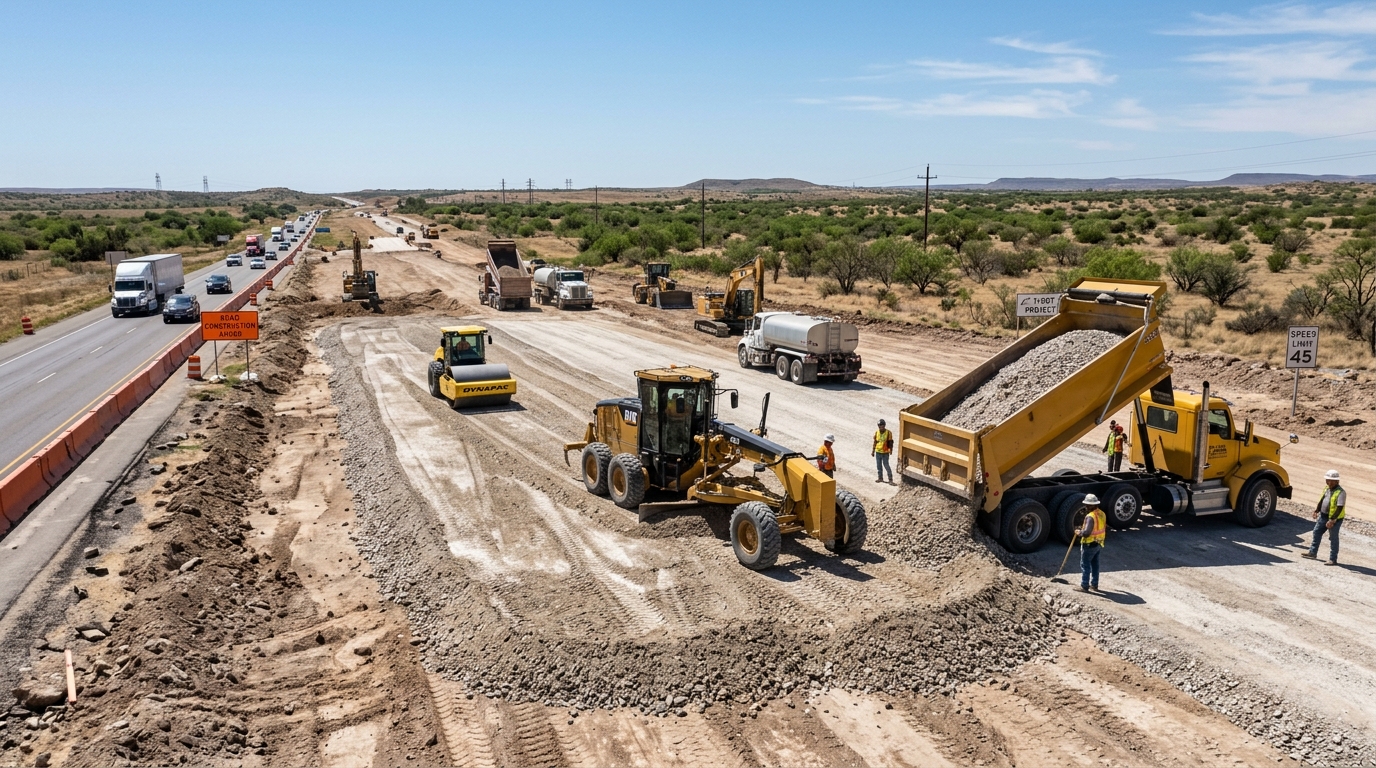
Some uses of commercial fill dirt Houston contractors use include:
- Building pad elevation
- Parking lot grading
- Road base preparation
- Utility trench backfill
Several projects in large corridors, such as I-10, US-59, or the Grand Parkway, tend to demand large amounts of material in a short period of time. Buying bulk fill dirt in Houston, TX, enables the contractor to organize multi-load supplies and minimize downtime.
Houston also contains stringent floodplain and elevation rules. The Harris County Flood Control District and the City of Houston have site elevation and drainage regulations. This level of fill choice prevents noncompliance and can save time and money in case of rework.
Residential Development and Property Improvements
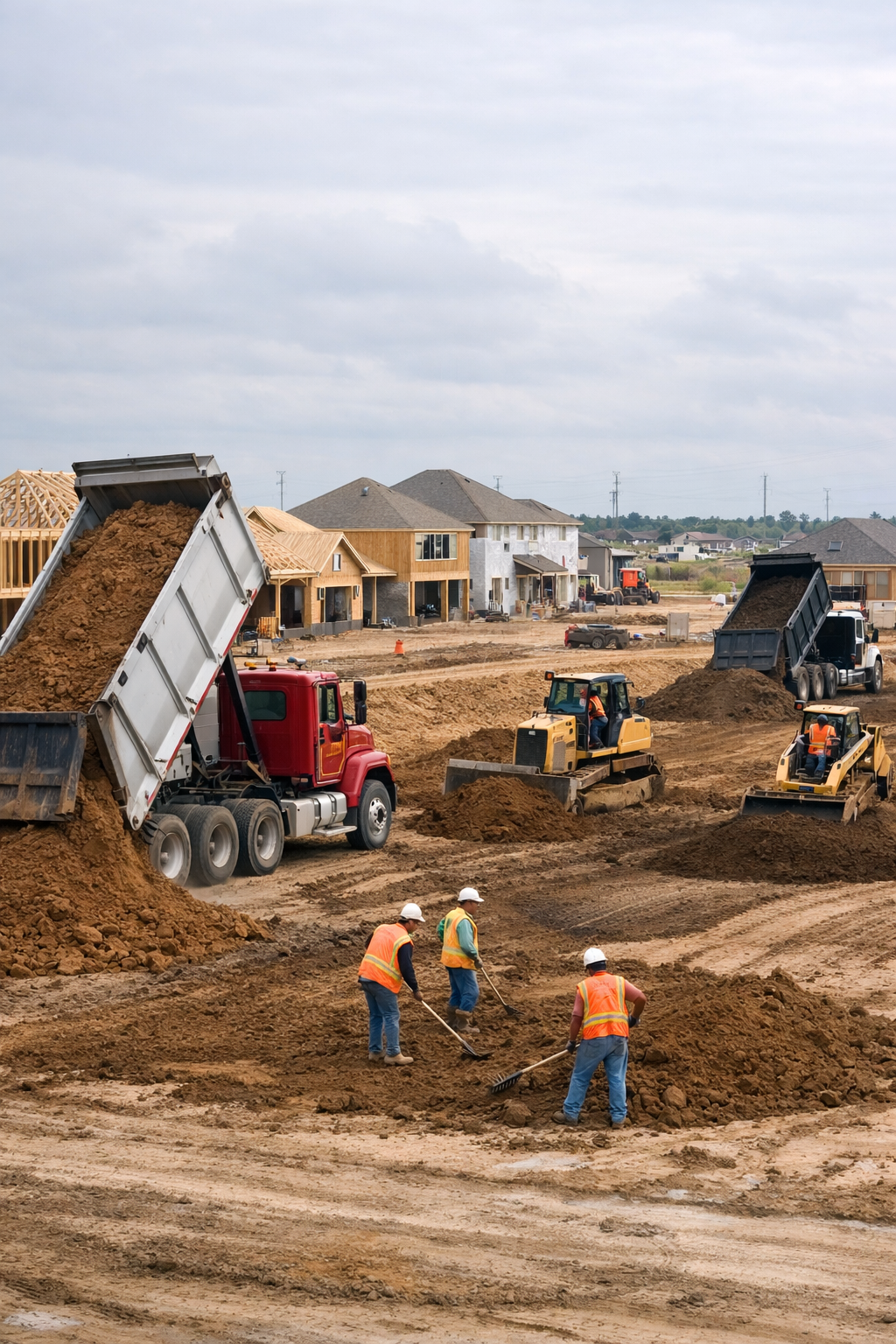
Commercial sites are not the only sources of demand. Homeowners and small builders often have to buy bulk fill dirt in Houston, TX because of:
- Raising low areas in yards
- Improving drainage
- Preparing slabs for new homes
- Leveling land for driveways or shops
The demand for residential fill dirt in Houston, TX, is still increasing in growing areas such as Spring, The Woodlands, and Richmond. Bulk dirt delivery in Houston, TX, services provide homeowners with large amounts of material quickly at a frequently lower cost per yard as compared to bagged material.
When it comes to buying bulk fill dirt in Houston, TX, for a residential project, buy locally to cut down transportation distances and increase flexibility in the schedule.
Understanding Fill Dirt Pricing in Houston
The cost of bulk fill dirt in Houston, TX, depends on several factors:
- Quality and consistency of material
- Distance from borrow pit to jobsite
- Volume ordered
- Fuel and trucking rates
- Seasonal demand
The Houston pricing of fill dirt per cubic yard tends to reduce with an increase in volume. Contractors serving major developments in subdivisions or even on the construction of warehouses are usually able to negotiate lower prices because of the magnitude of the project.
Nonetheless, one of the significant elements is hauling. The delivery times can be affected by Houston traffic on I-45, Highway 290, and Loop 610. This is why the closer the source of bulk dirt delivery in Houston, TX, to the jobsite, the lower the total cost may be, although the material itself may have a higher price.
The U.S. Energy Information Administration reports that the prices of diesel fuel affect the prices of trucking throughout the country. Tracking fuel variations can contribute to contractors scheduling big orders.
Types of Fill Dirt Available in Houston
Not all fill dirt is the same when you purchase bulk fill dirt. The kind that you select is based on your project requirements.
Common Fill Dirt
Commonly used in general grading and backfilling. Applicable in non-structural applications, where moderate compaction needs are necessary.
Select Fill Dirt
Higher quality and more constant materials are used to construct pads and engineered applications. Select fill dirt is popular among many contractors when it comes to large commercial projects.
Construction Fill Dirt
Applied in larger site preparation where stability and compaction are important. When you are sourcing locally, services like Fill Dirt in Houston, Texas, have some listings that allow you to access the supply in the area. The opportunities to seek options using platforms such as Borrow-Pit enable contractors to compare availability and make direct contact with the suppliers. The About page will help you learn more about the company, or you can use the Contact page to reach out to us.
Delivery Logistics: Timing Matters
Bulk dirt near me Houston searches often focus on availability, but logistics play an equally important role. Same-day fill dirt delivery in Houston could be feasible based on the availability of suppliers and trucks.
The bulk fill dirt delivery of commercial projects in Houston is often scheduled in staggered loads by contractors working on phased commercial projects. This keeps the crews on the move without saturating the site with too much material.
Reliable scheduling helps avoid:
- Equipment downtime
- Idle labor costs
- Weather-related delays
The climate of Houston also influences time. Heavy rain may delay compaction, and hence it is more efficient to coordinate deliveries when the conditions are favorable.
Why Local Sourcing Reduces Risk
Selecting a source of fill dirt in your borrow pits that is located near your worksite will minimize the amount of fuel being used, reduce the time of haul arrivals, and boost the local supply chain. In the case of large volume fill dirt projects in Houston, TX, minimal decreases in hauling distance will result in quantifiable cost efficiency.
Moreover, local vendors are usually conversant with the geological characteristics of Houston and its local demands. The local knowledge is useful in order to make sure you are choosing the correct material to use.
By buying bulk fill dirt regularly in Houston, TX, through local suppliers, the contractor minimizes the level of uncertainty and keeps project schedules tighter.
Conclusion: Build on a Strong Foundation
Houston is growing very fast and thus requires material that is well-sourced. Whether you require commercial-grade fill dirt to develop your warehouse near the Beltway 8 or develop a residential lot in Katy, buying bulk fill dirt in Houston, TX, through a reliable local supplier will help you to set your development on solid ground.
Knowledge of pricing, haulage logistics, and conditions of the soil provides you with a competitive advantage. Comparing suppliers, organizing the time of deliveries, and choosing the local suppliers will help both contractors and house owners contain the costs and prevent complications. When starting a project, check out local listings, look into available materials, and contact suppliers to simplify your next project.
Frequently Asked Questions
1. Where can I buy bulk fill dirt in Houston, TX?
You can source bulk fill dirt through local suppliers and online listing platforms that connect buyers with Houston-area material providers.
2. How much does bulk fill dirt cost in Houston?
Fill dirt cost per cubic yard in Houston varies by volume, material quality, and hauling distance. Larger orders typically reduce per-yard costs.
3. Is select fill dirt better for commercial projects?
Yes. Select fill dirt Houston options provide more consistent compaction and are often preferred for building pads and engineered applications.
4. Do suppliers offer same-day fill dirt delivery in Houston?
Same-day fill dirt delivery in Houston may be available depending on truck scheduling and material availability.
5. Why is local sourcing important in Houston?
Local sourcing reduces hauling costs, shortens delivery time, and ensures material is suited to Houston’s soil and floodplain requirements.