Understanding bulk aggregate pricing in Texas is essential for contractors managing construction budgets, bidding projects, or planning long-term material sourcing. Whether you’re working on highway expansion in Dallas–Fort Worth, commercial site prep in Houston, or residential development in San Antonio, aggregate costs directly influence your bottom line.
From crushed limestone and gravel to road base materials, pricing is not just about cost per ton, it’s about logistics, fuel, supply, and proximity. Contractors who understand how bulk aggregate pricing in Texas works can make smarter sourcing decisions and stay competitive in a fast-moving construction market.
What Drives Bulk Aggregate Pricing in Texas?
When evaluating bulk aggregate pricing in Texas, several key factors come into play. It’s not a fixed price across the state, costs vary based on location, demand, and material type.
Material Type and Quality
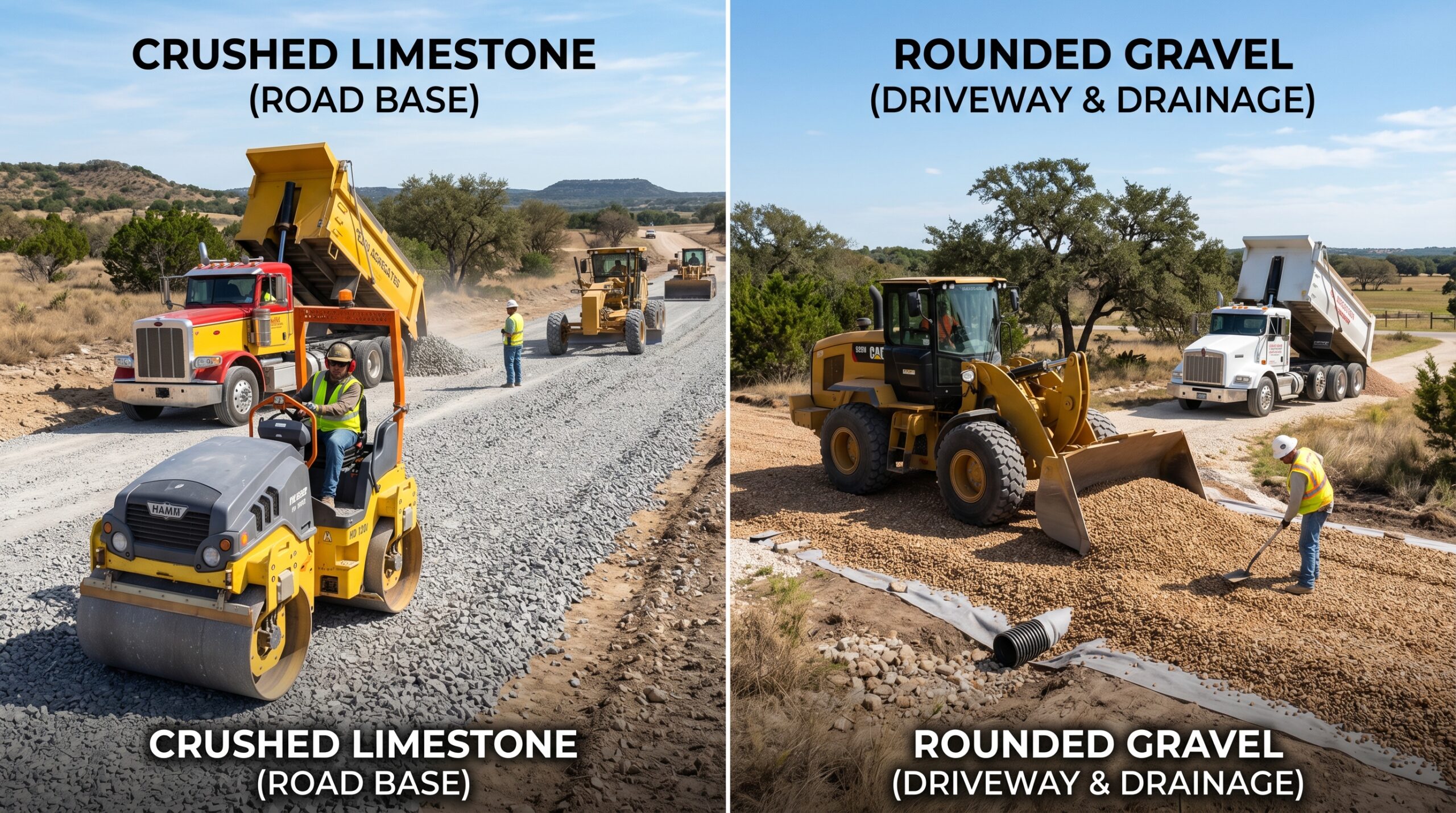
Different aggregates carry different price points. Crushed limestone, for example, is widely used across Texas due to its availability and durability, while specialty aggregates may cost more due to limited supply.
Higher-quality materials designed for compaction and structural stability tend to increase bulk aggregate pricing in Texas, especially for projects requiring engineered specifications.
Supply and Demand Across Regions
In rapidly growing areas like Austin, Frisco, and Katy, demand for aggregates is consistently high. This demand impacts bulk aggregate pricing in Texas, especially during peak construction seasons.
Contractors working in high-growth corridors such as I-35 and SH 130 often experience price fluctuations based on project volume and regional activity.
How Hauling Distance Impacts Aggregate Costs
Transportation is one of the biggest cost drivers in bulk aggregate pricing in Texas. Even if the base material price is low, hauling can significantly increase the total delivered cost.
Fuel and Transportation Costs
Diesel prices directly affect trucking rates. Fuel price fluctuations can quickly impact construction material delivery costs.
This means contractors sourcing bulk aggregate pricing in Texas must consider not just material cost, but also the distance from the supplier to the job site.
Why Local Sourcing Reduces Costs
Choosing a supplier closer to your project site can significantly reduce overall expenses. Shorter hauls mean:
- Lower fuel consumption
- Faster delivery cycles
- Reduced labor costs
For projects along major highways like I-10, US-290, or Loop 1604, proximity plays a critical role in optimizing bulk aggregate pricing in Texas.
Average Bulk Aggregate Pricing in Texas
While prices vary, having a general range helps contractors estimate budgets more effectively.
Typical Price Ranges
Across Texas, average pricing typically falls within:
- Gravel: $15-$35 per ton
- Crushed stone: $20-$45 per ton
- Road base: $18-$40 per ton
However, these are base prices. Delivered pricing often increases depending on distance, load size, and site accessibility. Understanding these ranges allows contractors to benchmark bulk aggregate pricing in Texas and identify competitive supplier options.
Delivered vs. Pickup Pricing
Many suppliers offer both pickup and delivery options. Pickup pricing is lower, but not always practical for large projects.
Delivered pricing includes:
- Transportation
- Driver labor
- Fuel costs
For most large-scale jobs, delivered rates provide a more accurate picture of bulk aggregate pricing in Texas.
Where Contractors Find Competitive Pricing
Finding the best bulk aggregate pricing in Texas requires more than calling a single supplier. Contractors often compare multiple sources to optimize cost and availability.
Traditional Suppliers vs Digital Platforms
Traditional suppliers operate fixed locations, which can limit options based on proximity. In contrast, platforms like Borrow-Pit allow contractors to compare multiple suppliers in one place.
You can explore available materials through the aggregates listings, learn more about sourcing through the About page, or coordinate supply needs via the Contact page. This approach improves visibility and helps contractors better manage bulk aggregate pricing in Texas.
Comparing Multiple Suppliers
Instead of relying on one quote, contractors often evaluate:
- Distance from job site
- Available volume
- Material specifications
- Delivery timelines
This comparison strategy leads to better decisions when managing bulk aggregate pricing in Texas.
Cost-Saving Strategies for Contractors
Managing bulk aggregate pricing in Texas effectively requires a strategic approach. Small adjustments in sourcing and logistics can lead to significant savings.
Optimize Delivery Scheduling
Coordinating deliveries efficiently ensures better truck utilization and reduces downtime. Contractors often schedule loads in phases to match project progress.
Use Local Material Sources
Local sourcing minimizes hauling distance and reduces overall cost. It also improves delivery speed and reliability.
Leverage Bulk Volume Discounts
Ordering larger quantities often reduces per-ton pricing. Many suppliers offer better rates for high-volume orders, which helps stabilize bulk aggregate pricing in Texas.
Planning for Price Fluctuations
Construction material pricing is rarely static. Contractors must plan for changes in bulk aggregate pricing in Texas due to market conditions.
Seasonal Demand Changes
Spring and summer typically see increased construction activity, leading to higher demand and pricing. Planning ahead can help secure better rates.
Supply Chain Disruptions
Weather events, fuel price spikes, and labor shortages can all impact availability and cost. Staying flexible with sourcing helps mitigate these risks.
Final Thoughts
Navigating bulk aggregate pricing in Texas requires more than just knowing the cost per ton. Contractors must consider transportation, supplier location, material quality, and market demand to get a complete picture.
With construction booming across Texas, from Dallas–Fort Worth to Houston and San Antonio, understanding pricing dynamics gives contractors a clear advantage. By comparing suppliers, optimizing logistics, and planning ahead, you can control costs and improve project efficiency.
If you’re sourcing materials, you can search listings near you to find competitive options. And if you supply aggregates, you can list your material to connect with contractors actively looking for bulk materials across Texas.
FAQs
What is the average bulk aggregate pricing in Texas?
Prices typically range from $15 to $45 per ton depending on material type, location, and delivery distance.
What affects aggregate pricing the most?
Hauling distance, fuel costs, material quality, and demand are the biggest factors influencing pricing.
Is delivered aggregate more expensive than pickup?
Yes, delivered pricing includes transportation and labor, making it higher but more practical for large projects.
How can contractors reduce aggregate costs?
By sourcing locally, comparing suppliers, and optimizing delivery schedules.
Where can I find bulk aggregate suppliers in Texas?
Contractors can explore online marketplaces and local suppliers to compare pricing and availability.