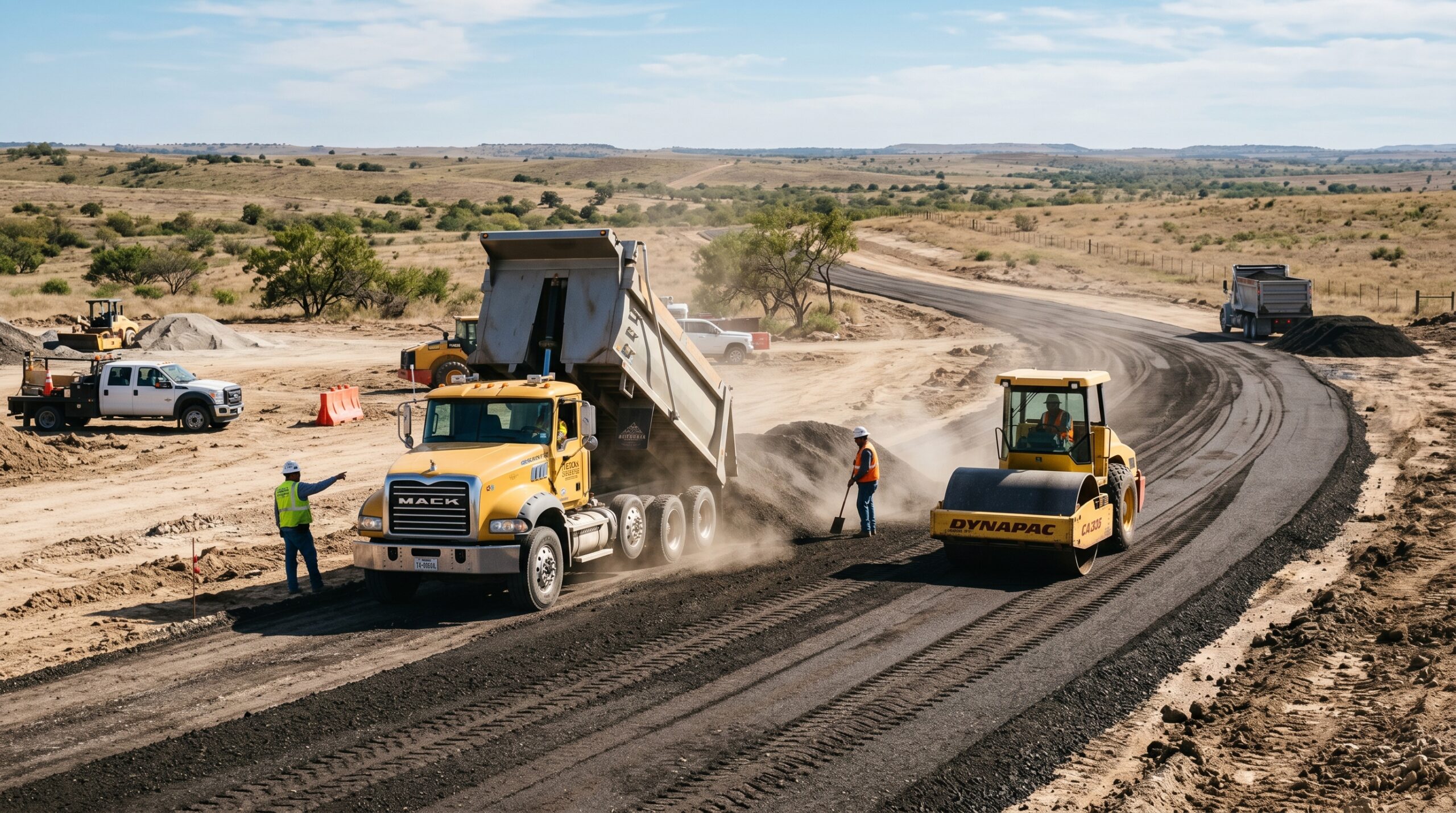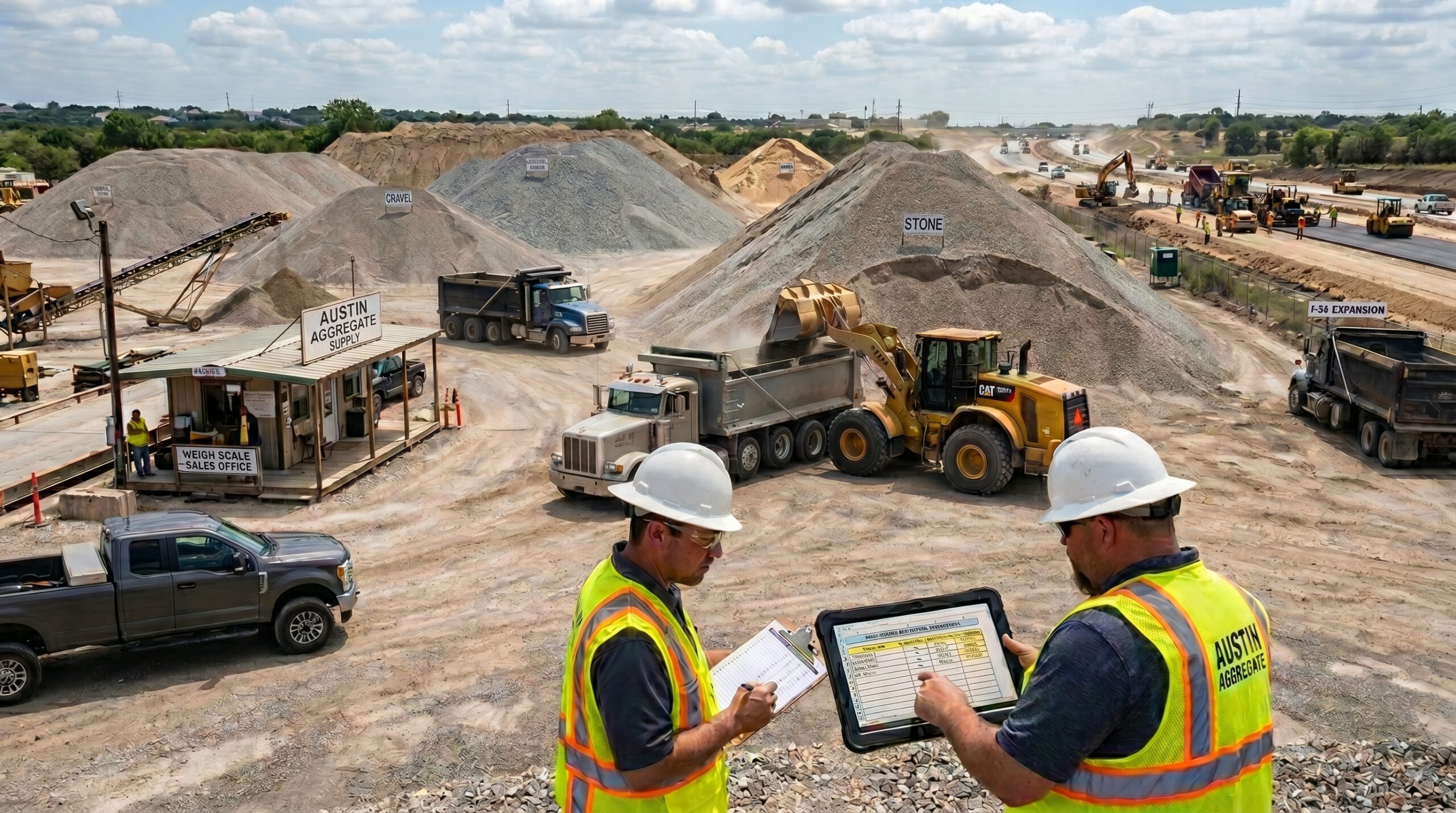
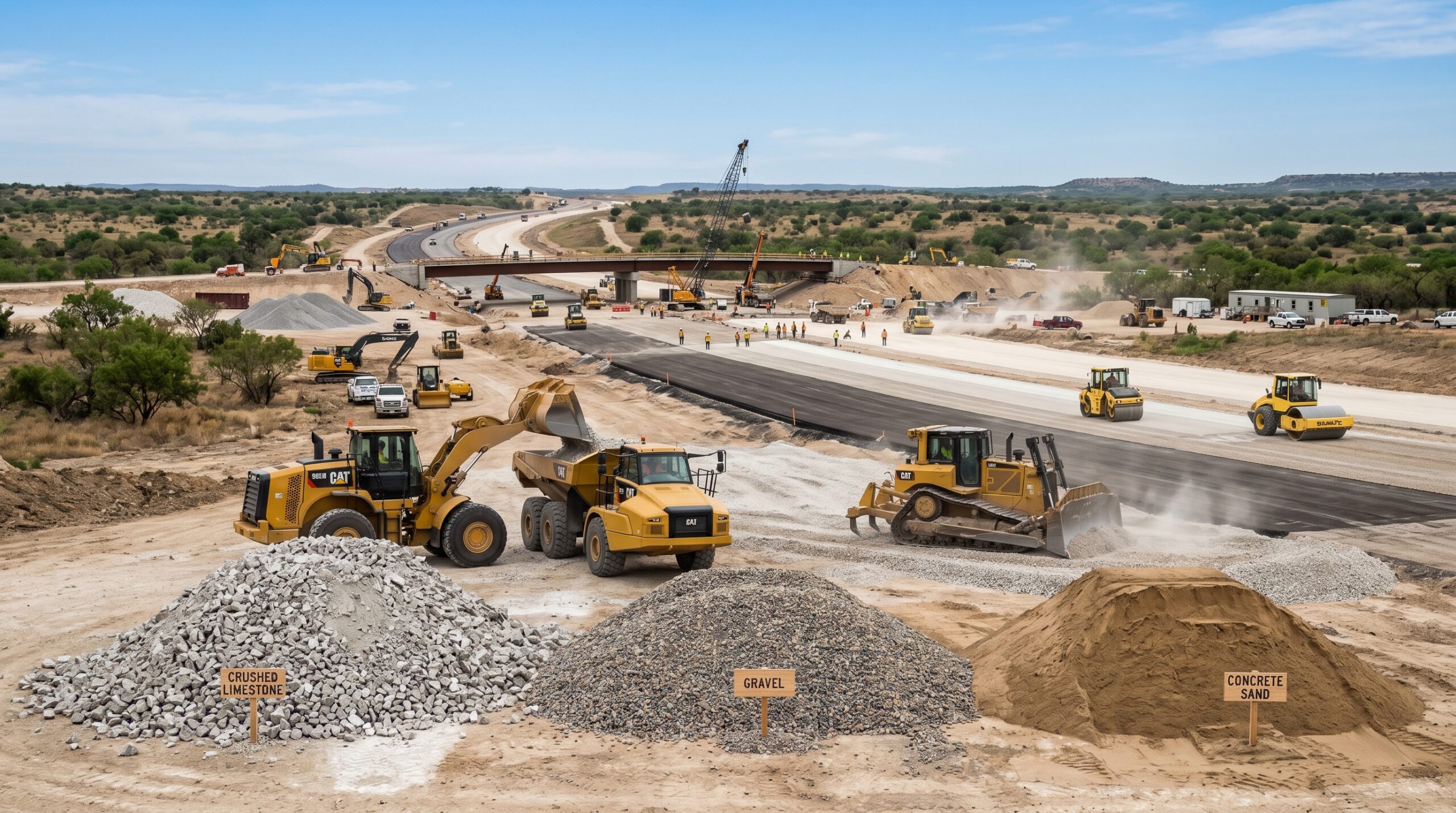
Across Texas, every construction project, whether it’s a subdivision in Frisco, a highway expansion along I-35, or a commercial build in Houston, relies on the right mix of materials to get the job done. Among the most essential are construction aggregates used across Texas job sites, which form the backbone of everything from foundations to roadways.
Understanding which aggregates are used, and why they’re chosen, gives contractors a major advantage when planning projects. The reality is simple: not all aggregates perform the same, and Texas conditions, from expansive clay soils to heavy rainfall in coastal regions, make material selection even more critical.
Why Aggregate Selection Matters on Texas Job Sites
Choosing the right construction aggregates used across Texas job sites isn’t just about availability, it directly impacts durability, drainage, and long-term performance. Texas presents a wide range of environmental challenges. In North Texas, shifting clay soils require stable base materials, while in areas like Houston, drainage becomes a top priority due to frequent rain and flood risks.
Contractors working on major corridors like I-10 or SH 130 understand that aggregate choice affects compaction and load-bearing capacity. Using the wrong material can lead to premature failure, cracked pavement, uneven foundations, or costly repairs down the line.
Another key factor is project type. Residential builds often prioritize cost-effective aggregates for driveways and pads, while infrastructure and commercial projects demand higher-grade materials with strict compaction and grading specifications. This is why experienced contractors don’t just order “gravel”, they specify exactly what type of aggregate is needed for each layer of construction.
For those sourcing materials, platforms like Borrow-Pit simplify the process by connecting contractors with local suppliers offering a range of aggregates. You can explore available options through the aggregates listings or learn more about sourcing practices on the About page.
Crushed Limestone: The Workhorse of Texas Construction
When talking about construction aggregates used across Texas job sites, crushed limestone sits at the top of the list. It’s widely available across the state and is especially dominant in Central and North Texas due to the region’s natural limestone deposits.
Crushed limestone is commonly used for:
- Road base layers
- Building pads
- Parking lots
- Foundation support
What makes it so popular is its ability to compact tightly. Once compacted, it creates a stable surface capable of supporting heavy loads, which is essential for both residential and commercial projects. On job sites around Austin or San Antonio, you’ll often see limestone used as the primary base material before asphalt or concrete is applied.
Another advantage is cost efficiency. Compared to other aggregates, limestone offers a balance between performance and affordability, making it a go-to choice for large-scale developments.
Where Limestone Performs Best
Crushed limestone performs particularly well in dry and moderately wet conditions. However, proper grading and compaction are still necessary to prevent erosion or shifting over time. According to the Texas Department of Transportation (TxDOT) guidelines, limestone base materials are commonly specified for roadway construction due to their proven durability and strength.
Gravel and Natural Aggregates for Drainage and Flexibility
Gravel is another key category of construction aggregates used across Texas job sites, but it serves a different purpose than crushed stone. Unlike crushed limestone, gravel is typically rounded and less angular, which means it doesn’t compact as tightly.
That might sound like a disadvantage, but in many cases, it’s exactly what contractors need.
Gravel is ideal for:
- Drainage layers
- French drains and erosion control
- Temporary access roads
- Landscaping applications
In areas like Houston and the Gulf Coast, where water management is critical, gravel plays a major role in preventing water buildup. Its loose structure allows water to flow through easily, reducing pressure on foundations and paved surfaces.
When Contractors Choose Gravel Over Stone
Contractors often choose gravel when flexibility and drainage outweigh the need for compaction. For example, on rural access roads or temporary construction entrances, gravel provides a quick, cost-effective solution that can handle moderate traffic without extensive site prep.
However, for high-load applications like highways or commercial pads, gravel alone usually isn’t enough. It’s often combined with other materials to create a layered system that balances drainage and stability.
Sand and Fine Aggregates in Site Preparation
While larger aggregates get most of the attention, sand plays a critical role in construction aggregates used across Texas job sites, especially during the finishing stages of site preparation.
Sand is commonly used for:
- Leveling surfaces before paving
- Bedding for pipes and utilities
- Backfilling trenches
- Mixing concrete and mortar
In coastal regions like Corpus Christi or Galveston, sand is abundant and often used extensively in both residential and commercial projects. Its fine texture makes it easy to spread and grade, which helps contractors achieve precise elevations.
The Role of Sand in Compaction and Stability
Although sand doesn’t provide the same load-bearing strength as crushed stone, it’s essential for creating a smooth, workable base. When combined with other aggregates, it helps fill voids and improve overall compaction.
According to the U.S. Geological Survey (USGS), sand and gravel production remains a key part of construction material supply in the U.S., highlighting their importance in both small-scale and large-scale projects.
Specialty Aggregates for Large-Scale and Infrastructure Projects
Beyond the basics, there are several specialized materials that fall under construction aggregates used across Texas job sites, particularly for infrastructure and heavy-duty applications.
These include:
- Road base blends (mixtures of crushed stone and fines)
- Rip rap limestone for erosion control
- Recycled concrete aggregate (RCA) for sustainable construction
- Asphalt millings for cost-effective paving alternatives
On highway projects across Texas, especially along major routes like I-45 or I-20, road base materials are carefully engineered to meet strict specifications. These blends are designed to provide both strength and drainage, ensuring long-term performance under heavy traffic.
Sustainability and Material Reuse
Sustainability is becoming a bigger factor in aggregate selection. Many contractors now use recycled materials to reduce costs and environmental impact. Recycled concrete and asphalt not only lower material expenses but also help minimize landfill waste.
This shift is particularly noticeable in urban areas like Dallas and Houston, where demolition and redevelopment projects generate reusable materials that can be repurposed for new construction.
Final Thoughts
The wide range of construction aggregates used across Texas job sites reflects the diversity of projects and conditions across the state. From crushed limestone providing structural strength to gravel supporting drainage and sand enabling precise grading, each material serves a specific purpose.
Successful contractors understand that selecting the right aggregate isn’t just about cost, it’s about performance, durability, and long-term results. With Texas continuing to grow rapidly, demand for reliable aggregate materials will only increase.
If you’re planning a project, you can search listings near you to find available materials or list your material to connect with contractors actively sourcing across Texas.
FAQs
What are the most common construction aggregates used in Texas?
Crushed limestone, gravel, sand, and road base materials are among the most commonly used aggregates across Texas job sites.
Why is crushed limestone popular in Texas construction?
It compacts well, provides strong load-bearing support, and is widely available throughout the state.
When should gravel be used instead of crushed stone?
Gravel is best for drainage applications, temporary roads, and areas where water flow is important.
What role does sand play in construction projects?
Sand is used for leveling, bedding, and improving compaction when combined with other aggregates.
Where can I find aggregate suppliers in Texas?
You can explore local suppliers and available materials through platforms like Borrow-Pit or regional aggregate listings.