Across Texas job sites, from suburban developments in Frisco to rural access roads outside Waco, contractors are rethinking how they approach paving materials. One trend stands out clearly: recycled asphalt growing in popularity across Texas. What was once considered leftover pavement is now a go-to solution for cost-conscious and efficiency-driven projects.
The shift isn’t just about saving money. It’s about performance, availability, and adapting to the realities of construction in Texas. With rising material costs and increasing demand for sustainable practices, recycled asphalt is quickly becoming a preferred option for contractors who want reliable results without overpaying.
The Real Reason Behind the Shift to Recycled Asphalt
The rise of recycled asphalt growing in popularity across Texas comes down to how well it fits modern construction needs. Contractors today are under pressure to deliver faster, stay within budget, and still meet performance expectations, and recycled asphalt checks all three boxes.
Unlike traditional hot-mix asphalt, asphalt millings don’t require the same level of processing or installation complexity. This means crews can move quicker, especially on projects like temporary roads, driveways, or staging areas. In fast-growing regions like Dallas-Fort Worth, where timelines are tight and development is constant, that flexibility matters.
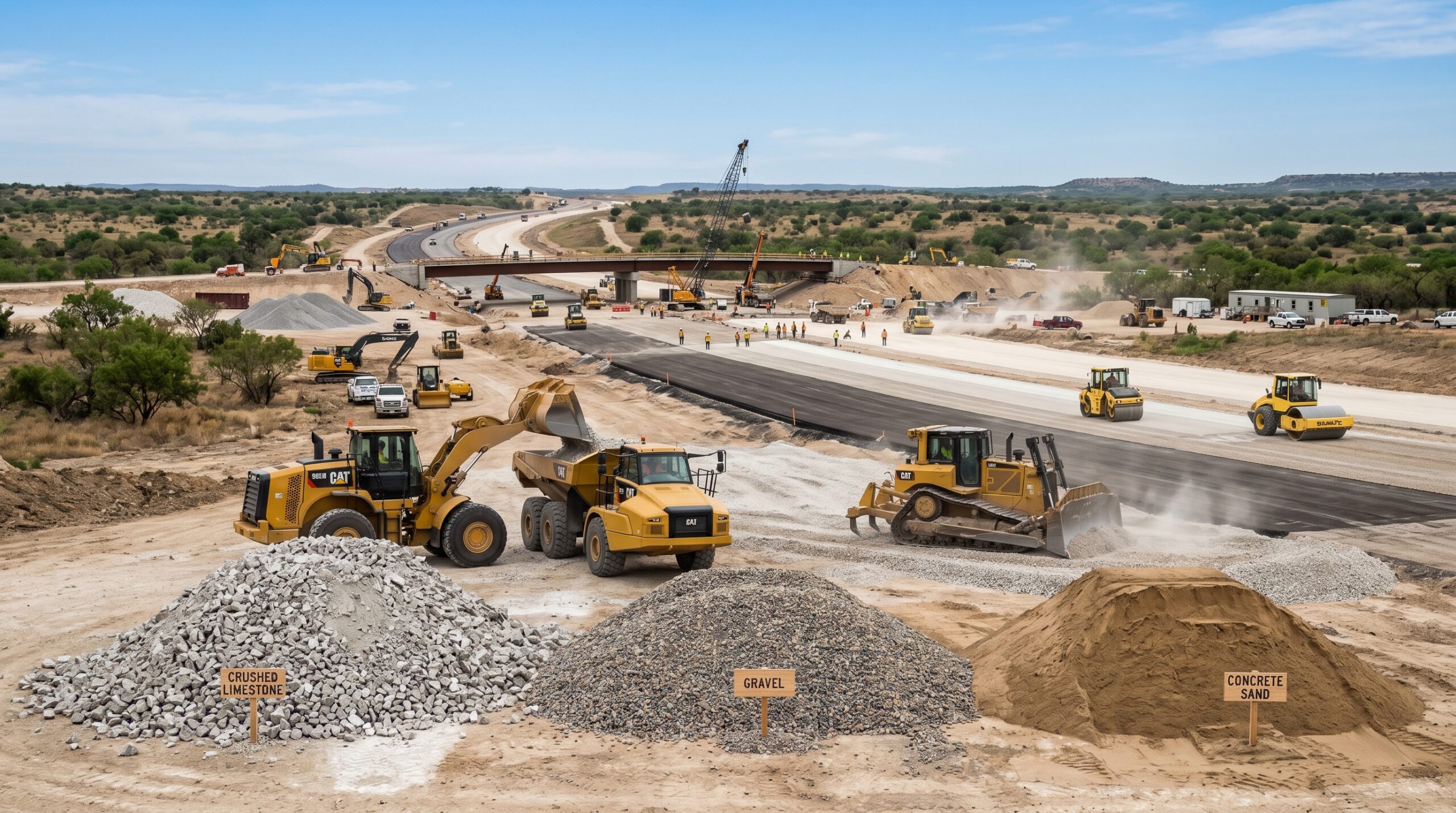
There’s also a supply advantage. Texas has ongoing highway expansions, resurfacing projects, and urban redevelopment happening year-round. That creates a steady stream of reusable material. Instead of relying solely on newly mined construction materials Texas contractors typically use, recycled asphalt provides a locally sourced alternative that’s often closer to the job site.
Contractors working along major corridors like I-35 or Loop 1604 are increasingly choosing recycled asphalt simply because it’s available when they need it, and that reliability can make or break a project schedule.
Cost Savings Without Sacrificing Practical Performance
One of the biggest drivers behind recycled asphalt growing in popularity across Texas is cost. On large-scale projects, even a small difference in price per ton can translate into significant savings.
Recycled asphalt is generally more affordable than new asphalt and often competitive with other construction aggregates used across Texas job sites. But the real value comes from how it performs over time.
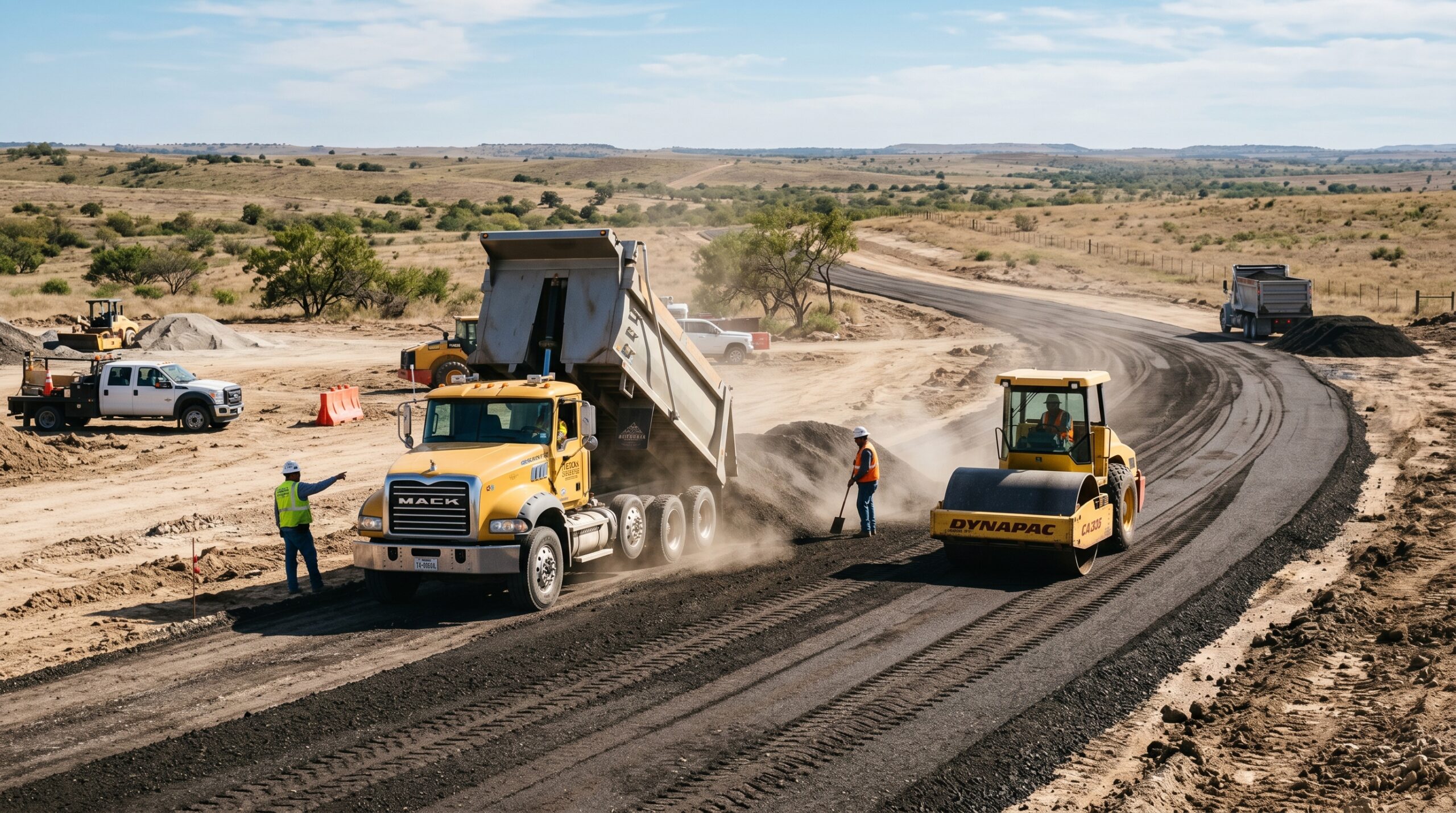
In hot Texas climates, asphalt millings tend to soften slightly and bind together, creating a more stable surface. This is especially useful for:
- Driveways in suburban developments
- Ranch roads in Central Texas
- Parking areas for commercial sites
How It Stacks Up Against New Asphalt
While recycled asphalt doesn’t replace new asphalt in every situation, it holds its own in many applications. According to the Federal Highway Administration (FHWA), recycled asphalt pavement is widely used across the U.S. due to its durability and cost-effectiveness.
For projects that don’t require a fully engineered asphalt system, like low-traffic roads or temporary surfaces, recycled asphalt often delivers the best balance between performance and price.
Where Recycled Asphalt Works Best in Texas Projects
The reason recycled asphalt growing in popularity across Texas continues to accelerate is its versatility. It fits a wide range of project types, especially where flexibility and cost control are priorities.
Common use cases include:
- Residential driveways in areas like San Antonio and Austin
- Access roads for oil and gas operations in West Texas
- Equipment yards and storage lots in Houston
- Temporary haul roads on large construction sites
In rural areas, where long access roads are common, using new asphalt for every project simply isn’t practical. Recycled asphalt provides a durable alternative that can handle traffic without the high upfront cost.
Situations Where It May Not Be Ideal
That said, recycled asphalt isn’t a one-size-fits-all solution. High-traffic highways or projects requiring strict engineering specifications still rely on traditional paving systems. Contractors evaluate load requirements, traffic volume, and long-term use before deciding where recycled asphalt fits into their material strategy.
Sustainability Is Driving Adoption Across Texas
Another major factor behind recycled asphalt growing in popularity across Texas is sustainability. Construction companies are under increasing pressure to reduce waste and adopt more environmentally responsible practices.
Recycled asphalt helps address both concerns. By reusing existing pavement, contractors reduce the need for new raw materials and minimize landfill waste. This aligns with broader industry trends toward sustainable construction.
Why This Matters for Texas Growth
Texas continues to experience rapid population and infrastructure growth. With that growth comes increased demand for materials, and increased environmental impact. Using recycled materials helps balance that demand.
Organizations like the National Asphalt Pavement Association (NAPA) emphasize that asphalt is one of the most recycled materials in the U.S., reinforcing its role in sustainable construction.
For contractors, this isn’t just about environmental responsibility, it’s also about staying competitive as more projects prioritize sustainability in bidding and planning.
How Contractors Are Sourcing Recycled Asphalt Efficiently
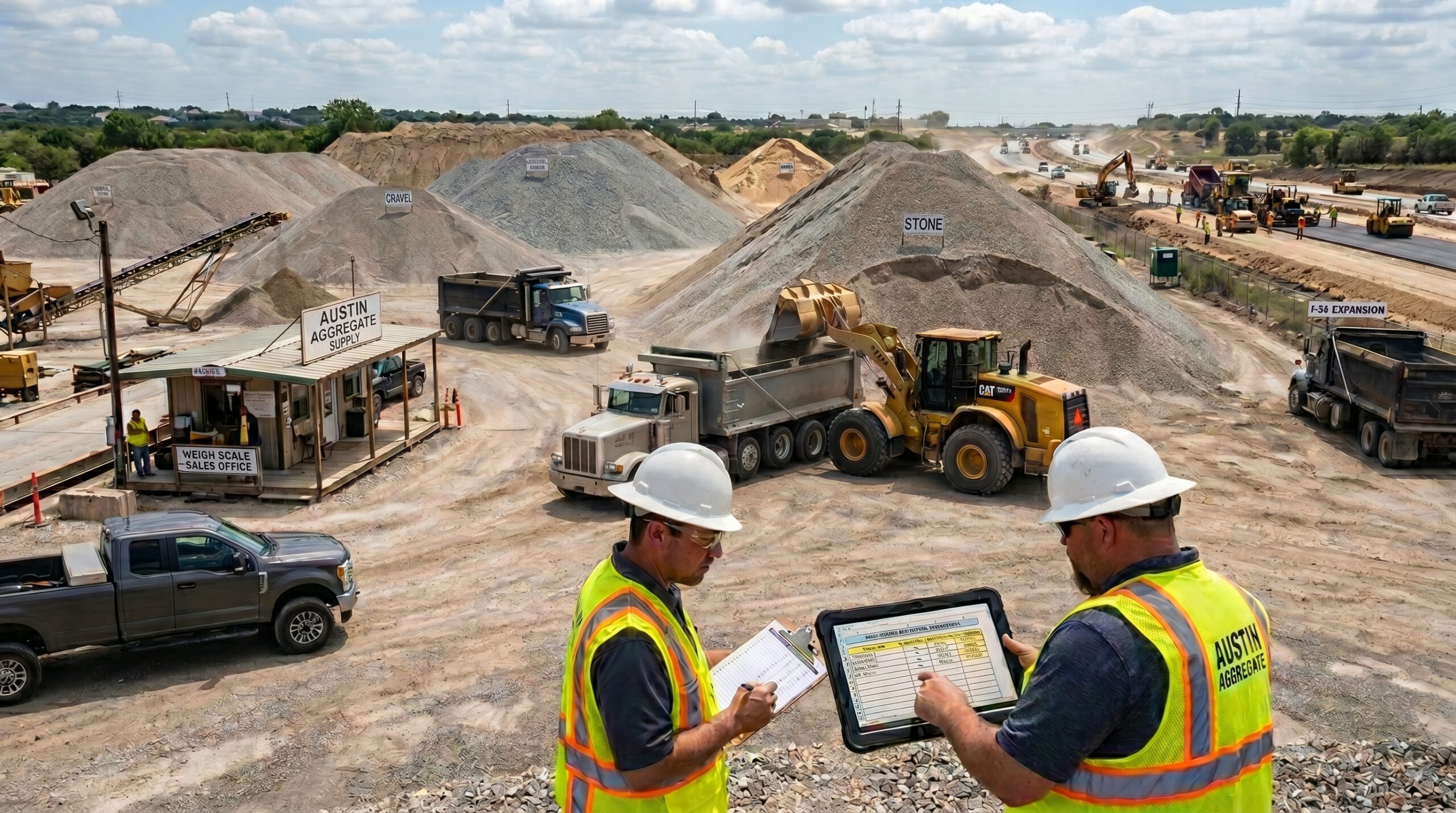
As demand increases, sourcing becomes more strategic. Contractors need access to consistent supply without excessive hauling costs. That’s where platforms like Borrow-Pit are changing how materials are found and delivered.
Instead of calling multiple suppliers, contractors can browse available materials in one place. You can view current options through the asphalt millings listings, learn more about sourcing strategies on the About page, or coordinate supply through the Contact page.
This approach makes it easier to manage recycled asphalt growing in popularity across Texas, especially for contractors handling multiple projects across cities like Dallas, Houston, and Austin.
Final Thoughts
The trend of recycled asphalt growing in popularity across Texas reflects a broader shift in how construction materials are selected and used. Contractors are no longer focused solely on traditional options, they’re looking for materials that offer flexibility, cost savings, and reliable performance.
Recycled asphalt delivers on all three. From residential driveways to large-scale job sites, it provides a practical solution that fits the demands of modern construction across Texas.
If you’re planning a project, you can search listings near you to find available materials or list your material if you have asphalt ready for reuse and resale.
FAQs
Why is recycled asphalt growing in popularity across Texas?
It offers lower costs, good performance in hot climates, and supports sustainable construction practices.
Is recycled asphalt good for driveways?
Yes, it’s widely used for driveways because it compacts well and creates a stable surface over time.
How does recycled asphalt compare to new asphalt?
It’s more affordable and suitable for many applications, though high-traffic roads may still require new asphalt.
Where can I buy recycled asphalt in Texas?
You can find suppliers through local listings or platforms like Borrow-Pit that connect contractors with available materials.
Is recycled asphalt environmentally friendly?
Yes, it reduces waste and limits the need for new raw materials, making it a sustainable option.