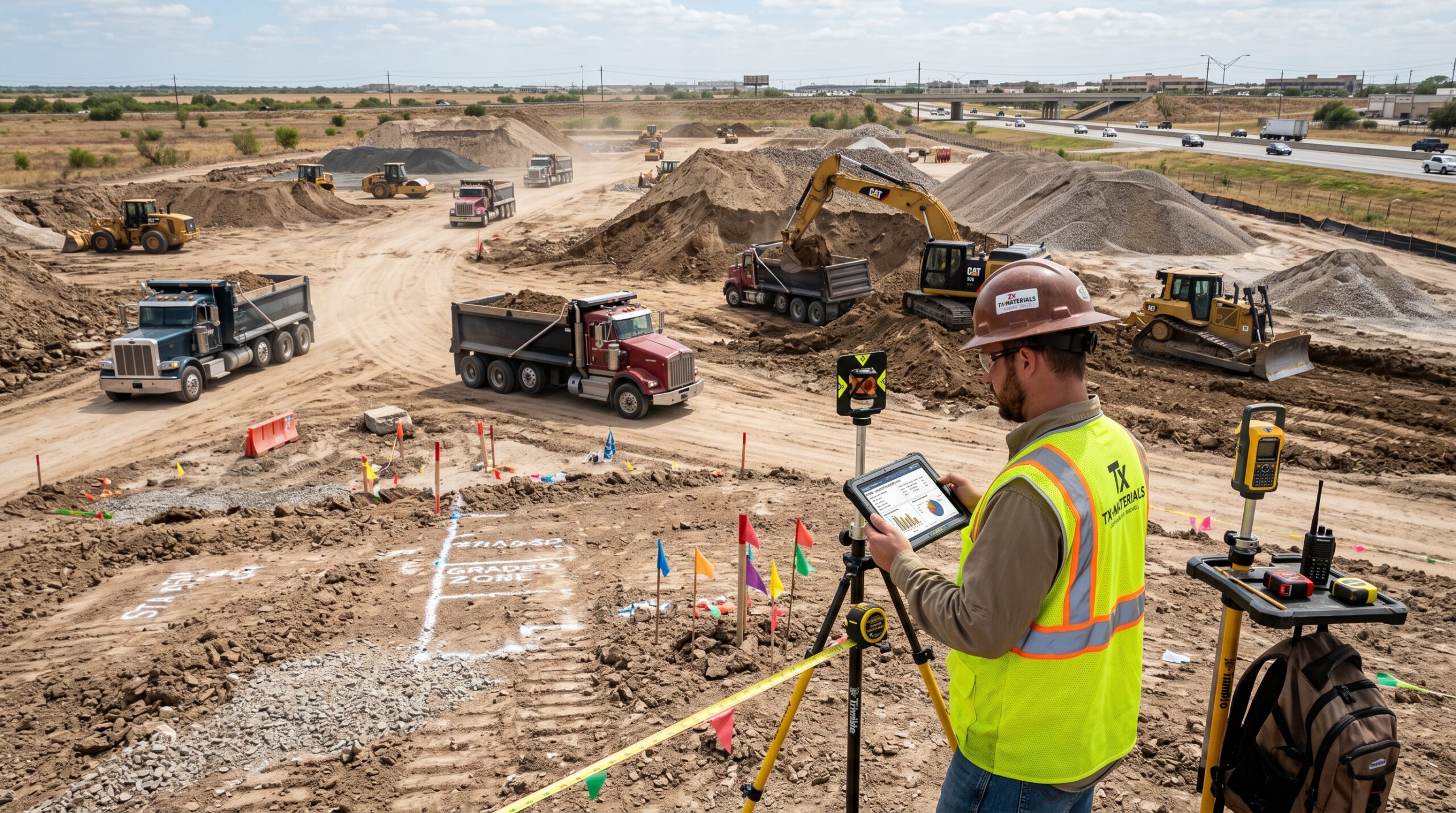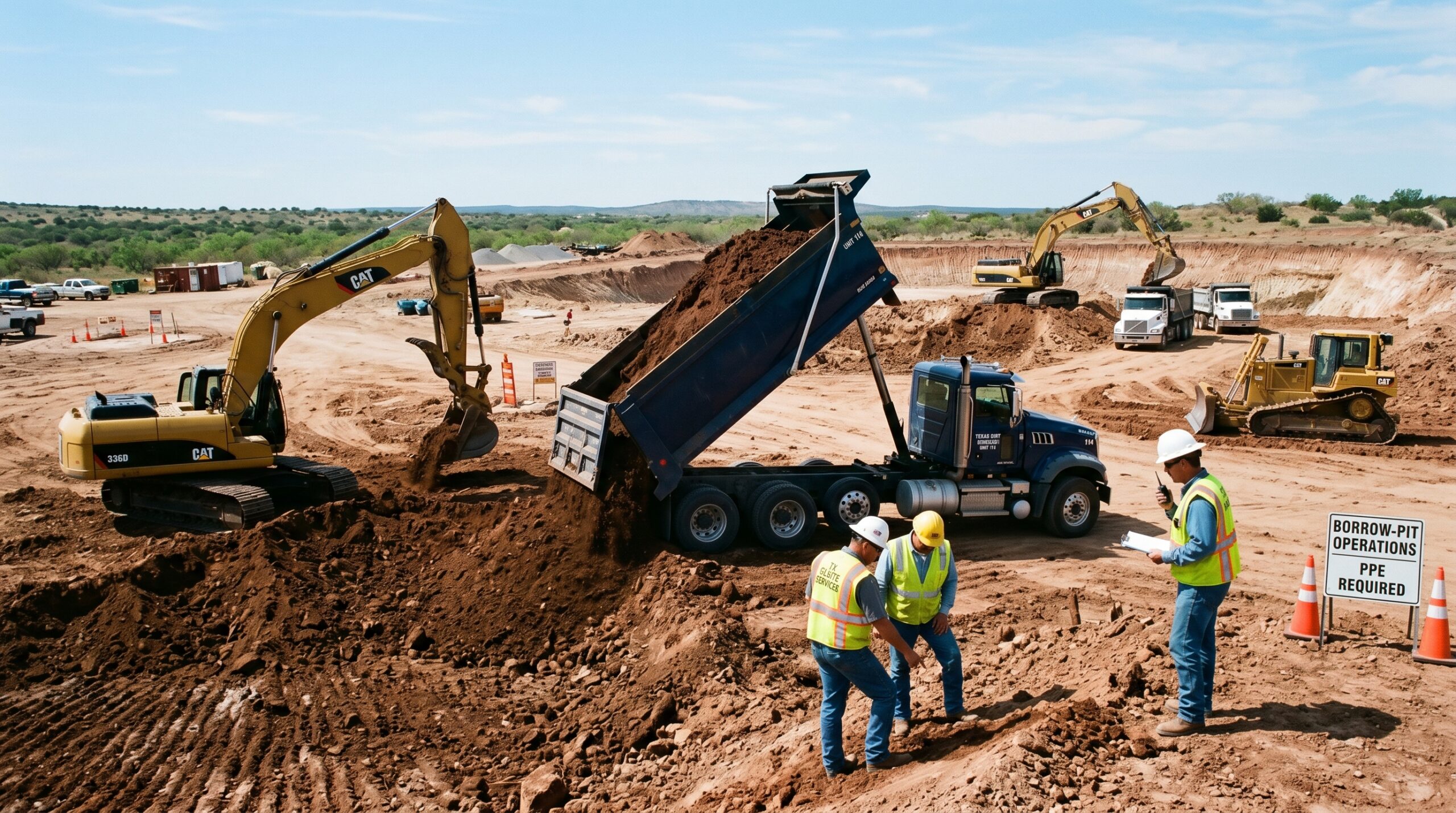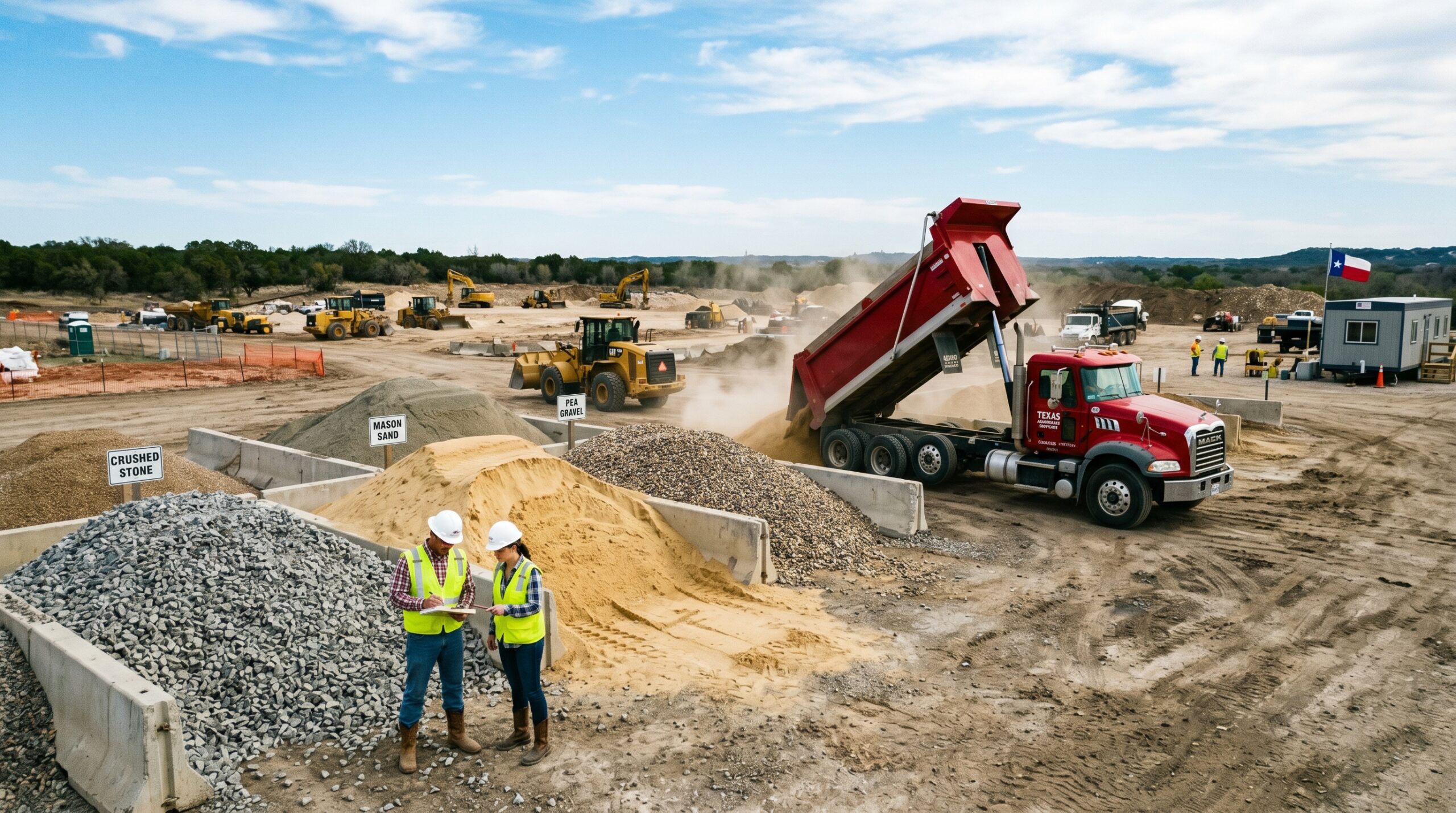
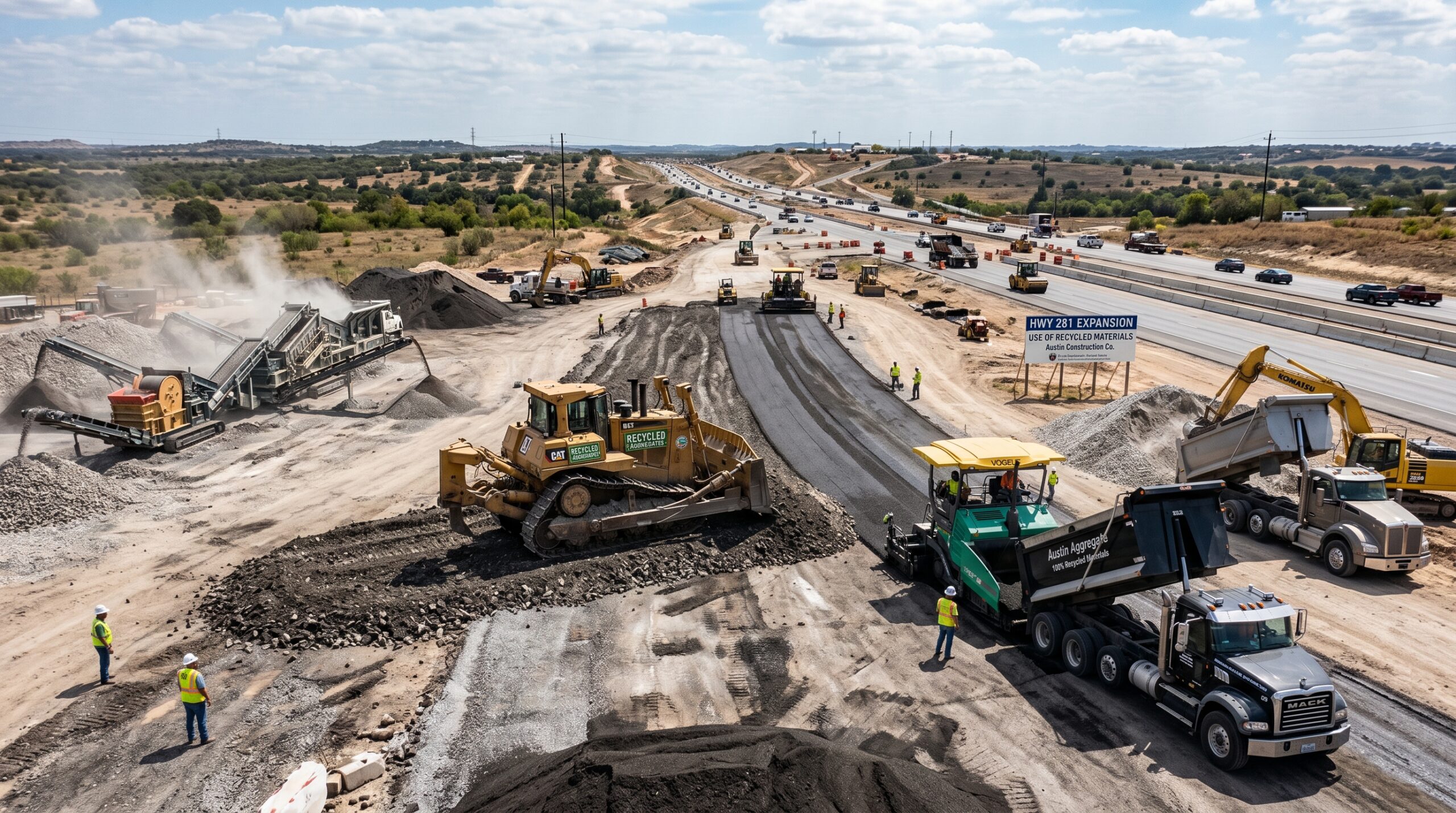
The shift toward recycled construction materials in Texas is picking up serious momentum, and it’s not just about going green. For contractors working across Dallas–Fort Worth, Houston, Austin, and San Antonio, the real driver is simple: better cost control without sacrificing performance.
Construction projects today are larger, faster, and more budget-sensitive than ever. Whether it’s a highway expansion along I-35, a commercial build near Houston’s Energy Corridor, or a residential development outside Austin, material costs can quickly spiral. That’s where recycled materials like crushed concrete and asphalt millings step in as practical, job-tested solutions.
Using recycled construction materials in Texas allows contractors to reduce expenses, improve sourcing flexibility, and keep projects moving, even when supply chains tighten. It’s not a compromise; it’s a smarter way to build.
Why Recycled Materials Are Becoming the Go-To Option
Across Texas job sites, contractors are rethinking how they source materials. Instead of relying solely on newly quarried aggregates, many are turning to recycled options that are already available within the local construction ecosystem.
One major reason is cost stability. Fuel prices, which directly affect hauling rates, continue to fluctuate. According to the U.S. Energy Information Administration, diesel price changes can significantly impact transportation costs across the construction industry. When materials have to be hauled long distances, those costs add up fast.
Recycled materials are often sourced closer to job sites, especially in urban areas where demolition and roadwork projects generate reusable material. This proximity makes recycled construction materials in Texas not only cheaper but also easier to schedule and deliver.
Another factor is availability. In fast-growing regions like Frisco, Katy, and Round Rock, demand for construction materials is constant. Recycled aggregates provide an additional supply stream, helping contractors avoid delays when traditional materials are harder to secure.
The Most Common Recycled Materials Used in Texas
Not all recycled materials serve the same purpose, and understanding their applications is key to using them effectively. Contractors typically choose based on compaction needs, load-bearing requirements, and project type.
Crushed Concrete: Reliable and Widely Used
Crushed concrete is one of the most dependable recycled construction materials in Texas. Produced from demolished structures, it’s processed into a compactable aggregate that performs well under pressure.
It’s commonly used for:
- Road base layers
- Parking lot foundations
- Structural fill for large developments
Its strength and stability make it a go-to choice for projects that require a solid foundation without the higher cost of virgin stone.
Asphalt Millings: Practical for Driveways and Access Roads
Asphalt millings are another widely used material, especially for paving applications. Reclaimed from old road surfaces, they can be compacted into a durable layer that holds up well under traffic.
Contractors like asphalt millings because they:
- Compact tightly for a stable surface
- Require less processing than new asphalt
- Offer a budget-friendly alternative for large areas
For projects like rural access roads or temporary construction entrances, they’re often the most efficient option.
Reclaimed Aggregates for General Site Work
In many cases, contractors don’t need high-spec materials. For grading, leveling, and general fill, reclaimed aggregates provide a cost-effective solution. These materials are ideal for early-stage site prep where volume matters more than precision.
You can explore available materials through the aggregates listings or learn more about sourcing through the About page. For project coordination, the Contact page offers direct support.
Where the Real Cost Savings Come From
The appeal of recycled construction materials in Texas goes beyond just lower price tags. The real savings come from a combination of material cost, transportation efficiency, and project scalability.
Material Pricing vs Delivered Cost
At first glance, recycled materials are cheaper per ton, but the bigger advantage is in delivered pricing. Because these materials are often located closer to job sites, hauling distances are shorter. That means:
- Lower fuel costs
- Faster delivery cycles
- Reduced wear on trucking equipment
On large projects, these savings can add up quickly. A small difference per load becomes significant when you’re moving thousands of cubic yards.
Budget Flexibility for Large Projects
For large-scale developments, staying within budget is critical. Using recycled construction materials in Texas allows contractors to allocate resources more efficiently, spending where it matters most while saving on bulk materials.
Performance in Real-World Texas Conditions
There’s still a lingering assumption that recycled materials don’t perform as well as new ones. In reality, many contractors across Texas would disagree.
Compaction, Stability, and Drainage
When processed correctly, recycled materials offer excellent compaction and stability. Crushed concrete, for example, interlocks well and creates a strong base layer. Asphalt millings provide a smooth, compacted surface that resists erosion.
Proven Across Multiple Project Types
From subdivision roads in North Texas to commercial parking lots in San Antonio, recycled construction materials in Texas are being used successfully across a wide range of applications.
Why Contractors Keep Using Them
The reason is simple: they work. Contractors who test recycled materials on one project often continue using them because they deliver consistent results without the added cost.
When Recycled Materials Make the Most Sense
While recycled materials are versatile, they’re not ideal for every situation. Knowing when to use them is part of an effective sourcing strategy.
They are best suited for:
- Road base and sub-base layers
- Driveways and access roads
- Large-scale grading and fill work
However, projects requiring strict engineering specifications, such as structural foundations or highly controlled compaction environments, may still require virgin aggregates.
The key is matching the material to the application rather than defaulting to one option.
Final Thoughts
The growing demand for recycled construction materials in Texas reflects a shift in how contractors approach both cost and efficiency. These materials are no longer seen as secondary options, they’re becoming a standard part of modern construction practices.
With lower costs, strong performance, and widespread availability, recycled aggregates offer a practical solution for today’s fast-paced construction environment. As development continues across Texas, contractors who adapt to smarter sourcing strategies will be better positioned to stay competitive.
If you’re planning a project, you can search listings near you to find available materials. And if you have excess material from demolition or site work, you can also list your material to connect with buyers actively sourcing across Texas.
FAQs
What are recycled construction materials in Texas?
They include materials like crushed concrete, asphalt millings, and reclaimed aggregates reused from previous construction or demolition projects.
Are recycled materials strong enough for construction?
Yes, when processed and compacted properly, they provide solid performance for many applications like road base and site prep.
Why are recycled materials cheaper?
They cost less because they don’t require new mining and are often sourced closer to job sites, reducing transportation expenses.
Where can I find recycled construction materials in Texas?
You can find them through local suppliers, recycling facilities, and online marketplaces that connect buyers and sellers.